Toomemägi Park is one of those places where history feels almost tangible, as if the past hasn’t quite settled into the quiet dignity of a museum but lingers in the air like the scent of old books and damp earth. Perched on a hill overlooking Tartu, this green expanse has been a silent witness to centuries of change—from medieval fortifications to the intellectual heart of Estonia. The park isn’t just a patch of trees and paths; it’s a layered landscape where every stone, every slope, seems to carry a story.
The hill itself has been a strategic point since at least the 7th century, when it was likely home to a wooden fortress. By the 13th century, the site had become the center of power for the Bishopric of Dorpat, as Tartu was then known. The original cathedral, built in the 13th and 14th centuries, stood as a symbol of both religious authority and the city’s growing importance in the region. Though the cathedral was largely destroyed during the Livonian War in the 16th century, its ruins still dominate the park’s skyline, their weathered brick and stone serving as a reminder of the turbulent past. The remaining walls, now partially restored, house the University of Tartu Museum, where visitors can climb the tower for a sweeping view of the city.
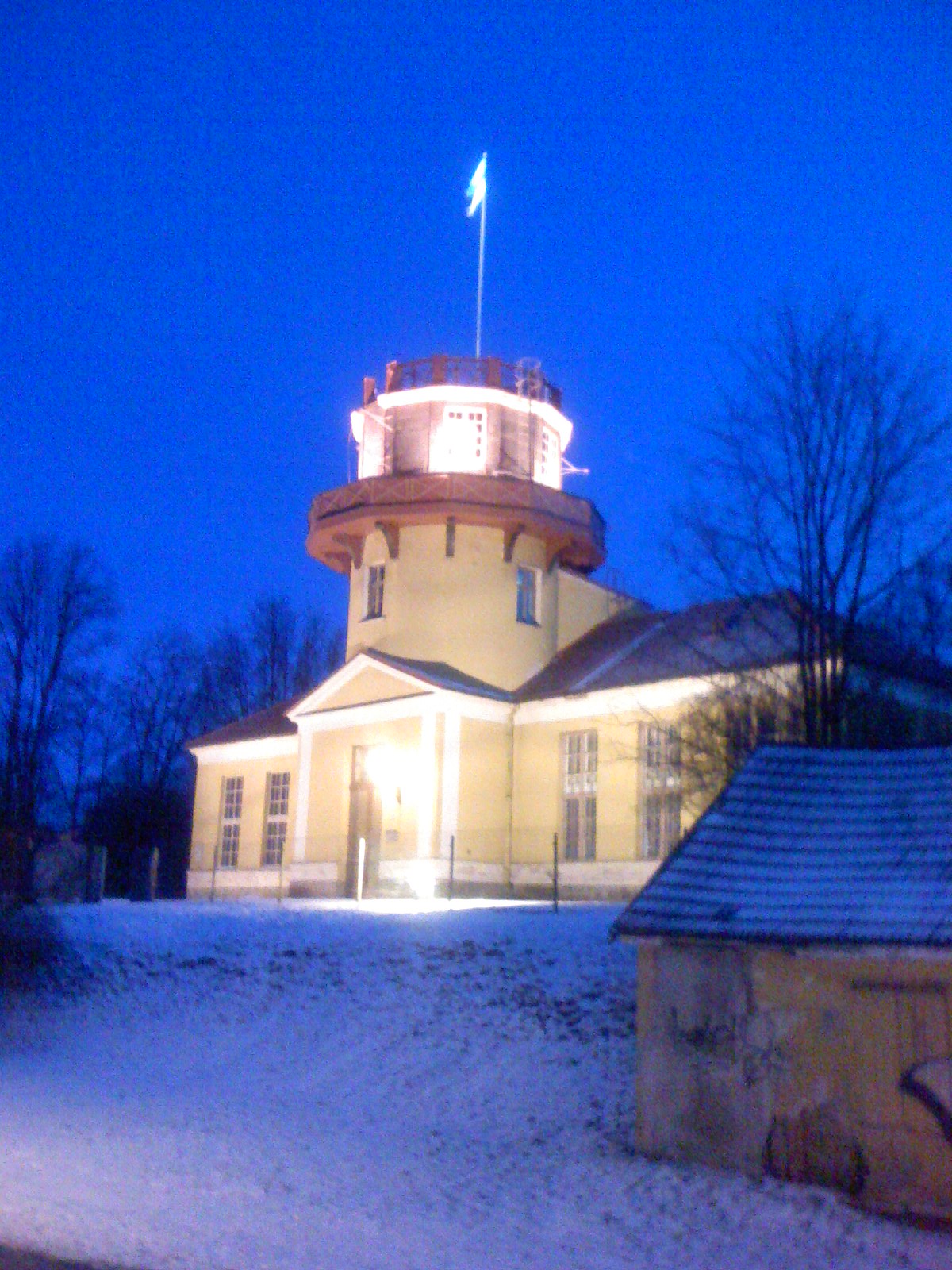
Beyond the cathedral ruins, Toomemägi is a place where Tartu’s academic legacy is etched into the landscape. The University of Tartu, founded in 1632, has long been intertwined with the park, and many of its buildings are scattered along the hill’s slopes. The Old Anatomical Theatre, a neoclassical structure from the early 19th century, stands as a quiet testament to the university’s scientific pursuits, while the nearby observatory, built in 1810, reflects the Enlightenment-era fascination with the stars. Walking through the park, you might stumble upon the so-called Kissing Students fountain, a playful nod to the city’s student culture, or the statue of Kristjan Jaak Peterson, a poet whose brief life and work became foundational for Estonian literature.
The park’s layout is a mix of deliberate design and natural growth. In the 19th century, the hill was transformed into a public park under the guidance of Johann Wilhelm von Krause, a professor of architecture at the university. Krause envisioned Toomemägi as a place where nature and learning could coexist, and his influence is still visible in the winding paths, the carefully placed benches, and the clusters of trees that offer shade on summer days. The park’s vegetation is a blend of native species and introduced plants, with oak, linden, and maple trees providing a lush canopy. In spring, the slopes burst into color with blooming lilacs and cherry blossoms, while autumn turns the leaves into a fiery palette of reds and golds.
One of the most striking features of Toomemägi is its bridges. The Angel’s Bridge and Devil’s Bridge, built in the 1830s, connect the park to the surrounding city and have become iconic symbols of Tartu. The Angel’s Bridge, with its simple stone arches, offers a panoramic view of the Emajõgi River winding through the city, while the Devil’s Bridge, though less grand, carries its own folklore. According to local legend, the bridge was built in a single night by the devil himself, though the more prosaic explanation is that it was constructed by university students as part of a larger effort to improve access to the hill. Either way, the bridges add a touch of whimsy to the park’s otherwise serene atmosphere.
Toomemägi isn’t just a place for history buffs or architecture enthusiasts. It’s a living part of Tartu, a space where locals come to escape the bustle of the city below. On any given day, you might see students lounging on the grass with books, couples strolling along the paths, or families picnicking under the trees. In winter, the park transforms into a quiet, snow-covered retreat, with the cathedral ruins looming like a ghostly sentinel over the city. The hill’s elevation means it’s often a few degrees cooler than the streets below, making it a pleasant refuge during the warmer months.
The park also plays a role in Tartu’s cultural life. Every summer, it hosts open-air concerts and theater performances, with the cathedral ruins serving as a dramatic backdrop. The annual Hanseatic Days festival, which celebrates the city’s medieval heritage, often spills into Toomemägi, with craftsmen, musicians, and performers filling the park with the sounds and sights of the past. Even on ordinary days, the park has a way of drawing people in, whether it’s for a morning jog, an afternoon nap in the sun, or an evening walk to watch the sunset over the rooftops of Tartu.
What makes Toomemägi special is the way it balances history and everyday life. It’s not a manicured garden or a pristine monument but a place that has grown and changed alongside the city. The scars of war, the marks of time, and the traces of human activity are all visible here, yet the park remains a space of quiet beauty. Whether you’re drawn by the ruins, the views, or simply the chance to sit on a bench and watch the world go by, Toomemägi offers a glimpse into the soul of Tartu—a city where the past is never too far from the present.