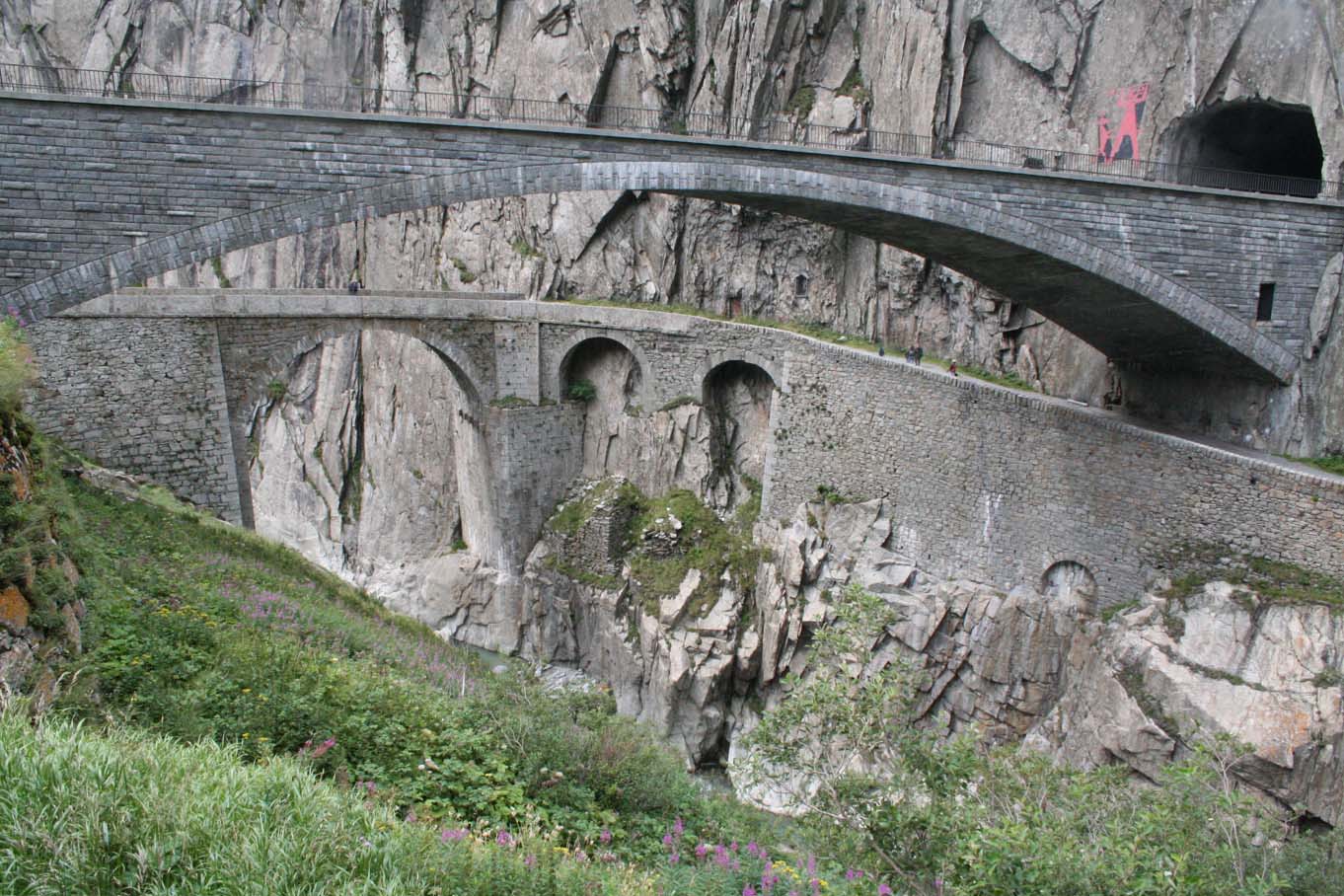
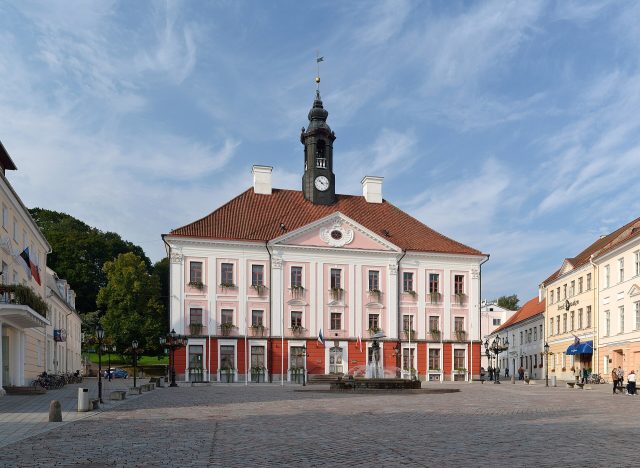
Tartu’s Devil’s Bridge is one of those places where history feels almost tangible, as if the past hasn’t quite settled into the stone and mortar beneath your feet. Built in the early 20th century, it’s not an ancient relic, but it carries the weight of a city that has seen empires rise and fall, wars reshape its streets, and generations of students leave their mark. The bridge spans a quiet ravine near Toomemägi, the hill that has been the heart of Tartu since medieval times. From here, you can look down at the lush greenery below or up at the neoclassical buildings that line the hill, their facades weathered by time but still standing with quiet dignity.
The name Devil’s Bridge is a bit of a misnomer—there’s nothing sinister about it, at least not in the way folklore might suggest. It was actually named after a nearby tavern that once bore the same name, a place where students and townsfolk would gather for drinks and conversation. The bridge itself was part of a larger project to modernize the city’s infrastructure in the 1910s, a time when Tartu was still finding its footing after centuries of shifting rule. The design is simple, almost austere, with a single arch that blends seamlessly into the landscape. It’s not the kind of bridge that demands attention, but rather one that invites you to pause and take in the surroundings.
What makes the Devil’s Bridge special isn’t just its architecture, but the role it plays in the life of the city. Tartu has always been a university town, and the bridge is part of the daily rhythm of students and professors who walk these paths. In the warmer months, you might see groups of friends sitting on the grassy slopes nearby, books in hand or conversations drifting in the air. In winter, the bridge becomes a quiet witness to the city’s hushed beauty, its stone surface dusted with snow while the bare trees below stand like sentinels. It’s a place where the past and present coexist without fanfare, where the weight of history doesn’t feel like a burden but rather a quiet companion.
The area around the bridge is steeped in stories, some more tangible than others. Toomemägi, the hill it overlooks, was once the site of a medieval bishop’s castle, though little remains of it today. Instead, the hill is now home to the University of Tartu, one of the oldest and most respected institutions in Northern Europe. The buildings here are a mix of styles—Baroque, neoclassical, and even a touch of Gothic—each telling a different chapter of the city’s evolution. The Devil’s Bridge connects these layers of history, serving as a subtle reminder that Tartu has always been a place of learning, debate, and reinvention.
Walking across the bridge, you might not notice the small details at first—the way the stone has been worn smooth by decades of footsteps, or the faint echoes of voices that seem to linger in the air. But if you take a moment to look closer, you’ll see that the bridge is more than just a crossing. It’s a threshold between the old and the new, between the academic rigor of the university and the everyday life of the city. On one side, you have the quiet dignity of Toomemägi, with its grand buildings and manicured paths. On the other, the more lived-in streets of Tartu, where cafes and bookshops spill out onto the sidewalks and the scent of fresh bread mixes with the crisp Estonian air.
The bridge also offers one of the best views of Tartu’s skyline, especially at dusk when the light softens and the city seems to glow from within. From here, you can see the spire of St. John’s Church, its red-brick facade a striking contrast to the pale stone of the university buildings. Nearby, the ruins of the old cathedral stand as a reminder of the city’s medieval past, their weathered walls a testament to the passage of time. The Devil’s Bridge isn’t just a vantage point; it’s a place where you can feel the layers of history unfolding around you, each one adding depth to the city’s character.
For locals, the bridge is a familiar landmark, a place they pass by without much thought. But for visitors, it’s often a quiet revelation—a spot where the city’s soul seems to reveal itself in small, unassuming ways. There’s no grand monument here, no towering statue or ornate gate. Instead, the Devil’s Bridge offers something more subtle: a sense of continuity, a connection to the people who have walked these paths before. It’s the kind of place that doesn’t need to shout to be noticed, because its presence is felt in the way the city breathes around it.
If you find yourself in Tartu, take the time to wander up to Toomemägi and cross the Devil’s Bridge. It’s not a detour that will take you far from the city’s main attractions, but it might just give you a deeper understanding of what makes Tartu special. Here, history isn’t confined to museums or plaques; it’s woven into the fabric of everyday life. The bridge, with its unassuming charm, is a perfect example of that. It doesn’t ask for admiration, but it rewards those who take the time to notice.