Solidarity Park in Nowa Ruda is one of those places where history and nature blend so seamlessly that you might walk through it without realizing its significance. Established in the late 1980s, it emerged during a time of profound change in Poland, when the country was on the cusp of political and social transformation. Many towns across the nation were creating new public spaces dedicated to the ideals of freedom and unity, and Nowa Ruda was no exception. Though small in size, the park carries a weight far beyond its physical boundaries, serving as a quiet testament to the era that reshaped the country.
There are no grand monuments or towering memorials here. Instead, the park unfolds through a network of understated paths lined with trees planted in those early years of transition, when Poland was just beginning to breathe freely again. Small sculptures dot the landscape, each one a subtle nod to the struggles and triumphs of the past. One commemorates the labor movements that played a crucial role in the country’s history, while another honors those who fought for change. These pieces don’t demand attention, but if you pause to look, you’ll notice the quiet resilience embedded in their forms—the echoes of a time when every step forward was hard-won.
Perched on a hillside, the park offers sweeping views of Nowa Ruda and the surrounding landscape. On clear days, the town sprawls below, nestled between the Sudeten Mountains, with the silhouettes of old factory chimneys and historic neighborhoods visible in the distance. Locals often come here not just for a stroll but to sit on one of the benches, taking in the panorama. There’s a sense of continuity in this place, a connection not only to the recent past but to the deeper layers of history—when these lands belonged to different nations, different empires, and different ways of life.
The park’s design is simple and unpretentious. There are no elaborate flowerbeds or intricate landscaping, just straightforward paths leading to small clearings where visitors can rest. In summer, the greenery is lush, while autumn turns the park into a golden expanse as leaves begin to fall. Winter, meanwhile, transforms it into a quiet, almost austere space, much like the rest of this region, where nature sets the tone. The architecture of the park reflects this same practicality—functional, unadorned, and in harmony with its surroundings.
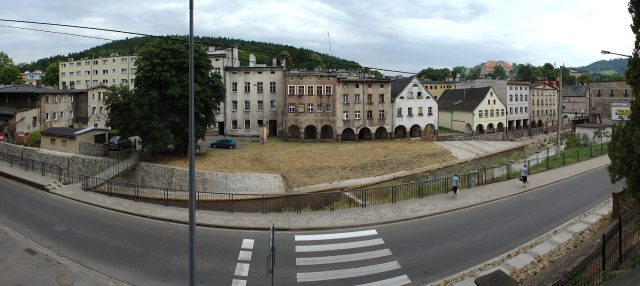
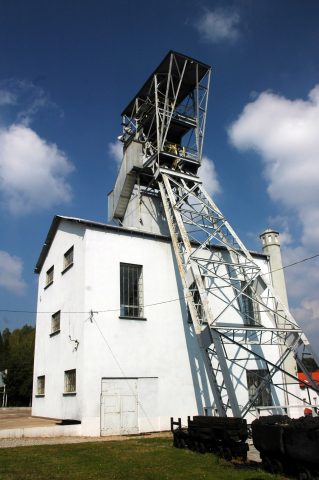
For Nowa Ruda, Solidarity Park is more than just a green space; it’s a symbol of the city’s own journey. Like many towns in Lower Silesia, Nowa Ruda has seen its share of upheaval—industrial booms, wars, and shifting political tides. Coal mines and textile factories once drove its economy, and traces of that past remain in the names of streets, the style of buildings, and the stories of those who’ve lived here for generations. The park is part of that legacy, a reminder that change, though difficult, is always possible.
In recent years, the park has seen a few updates—new benches, a small playground, and occasional informational plaques that share snippets of its history. Yet it hasn’t lost its original character. It remains a modest, unassuming place, free of the crowds that flock to more famous landmarks. That’s perhaps its greatest strength. You can visit in the early morning, when the town is just waking up, or in the evening, when the streetlights flicker on, and feel the pace of life slow down.
Nowa Ruda isn’t a city that draws hordes of tourists. It’s quiet, unassuming, a place where life moves at its own steady rhythm. That’s why parks like this one feel so essential here. They don’t try to be anything more than what they are—just a peaceful corner where people can think, walk, or meet friends. There’s no pretense, no grand spectacle, just the simple pleasure of a place that exists for its own sake.
If you ever find yourself in this part of Poland, it’s worth stopping by, even if just for half an hour. Not for a guided tour or a photo opportunity, but to soak in the atmosphere. There’s nothing forced or performative about it—just trees, benches, a view of the town, and the faint but unmistakable sense of history woven into the very ground beneath your feet. That’s the real value of places like Solidarity Park: they don’t shout their stories, but if you listen closely, they have plenty to say.