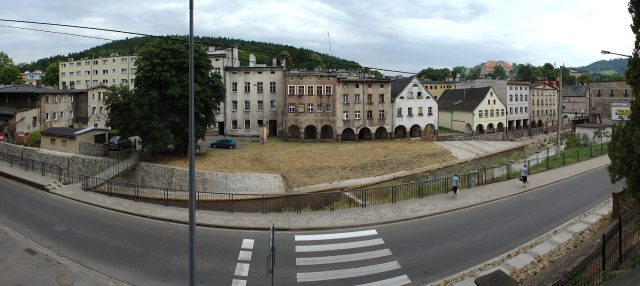
Nestled in the gentle foothills of the Sudetes, where Poland’s southwestern border brushes against the Czech Republic, Kudowa-Zdrój feels like a place time forgot. The town curls around a handful of quiet streets, its low-slung houses tucked beneath wooded slopes that rise like green waves on the horizon. There are no neon signs here, no crowds jostling for space, just the steady rhythm of mineral springs that have bubbled from the earth for centuries. The air carries the scent of pine and damp stone, a reminder that the mountains are never far away. It’s the kind of place where days unfold slowly, measured not by the clock but by the changing light on the hills.
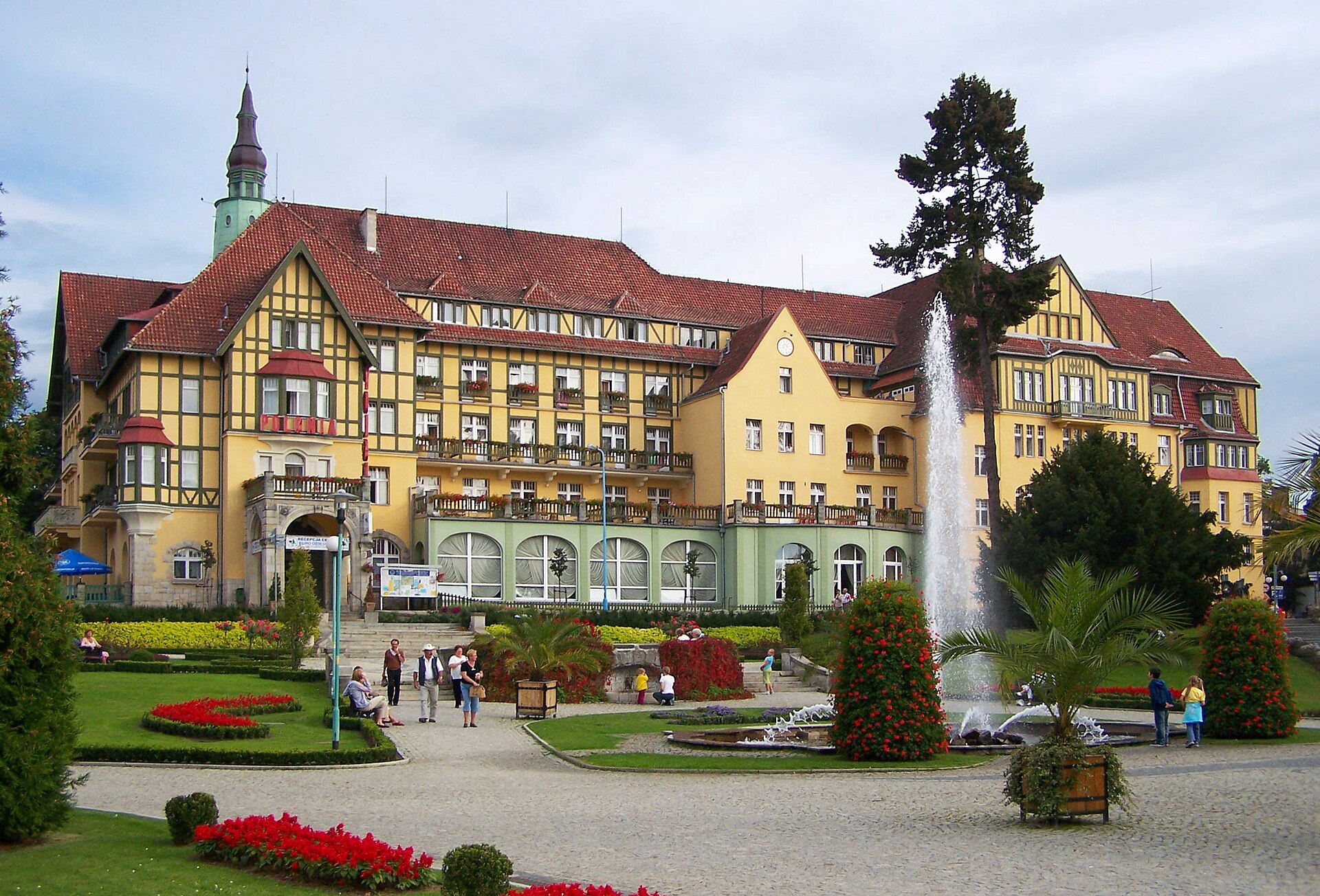
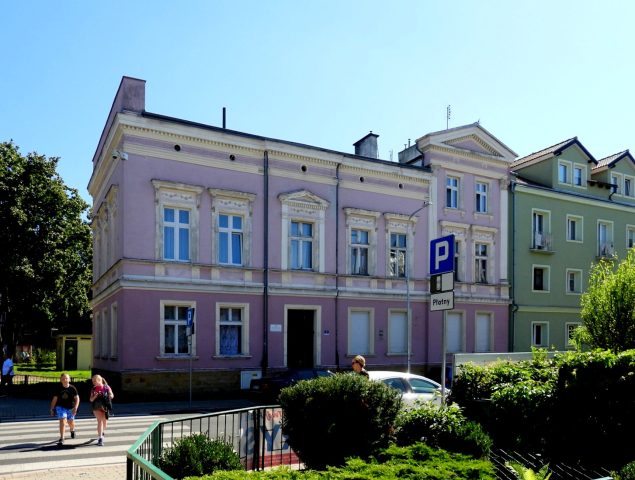
Kudowa-Zdrój owes its existence to the healing waters that first drew visitors in the 16th century. Back then, nobles and townsfolk alike made the journey, hoping the springs might ease their ailments. By the 18th century, the town had begun to take shape as a proper spa destination, with the first bathhouses appearing and bottles of its mineral-rich water shipped to distant cities. The 19th century brought a golden age, as European aristocrats and later the rising bourgeoisie flocked here to take the cure. They strolled through manicured parks, attended soirées in grand villas, and left behind the elegant architecture that still defines the town today. Walking past the pastel facades of those old buildings, it’s easy to imagine the clatter of carriages and the murmur of conversations in half a dozen languages.
The waters here are still the town’s heartbeat. Rich in carbon dioxide and minerals, they’re said to soothe everything from heart conditions to nervous disorders. Modern sanatoriums offer treatments that range from traditional baths to more contemporary therapies, though you don’t need to be a patient to appreciate the restorative power of the place. Even a short visit to one of the spa centers feels like stepping into a slower, gentler world. The town’s compact size makes it easy to explore on foot. At its center lies a small square, anchored by a town hall and the 18th-century Church of St. Bartholomew, its baroque interior adorned with faded frescoes and an intricately carved altar. The church’s bell tower rises above the rooftops, a quiet sentinel over the town.
Just a short walk away, Zdrój Park unfolds like a green oasis. Planted in the 19th century, it’s a place of winding paths, shaded benches, and small ponds where ducks drift lazily. In summer, roses bloom along the alleys, while autumn turns the trees into a blaze of gold and crimson. It’s the kind of park where people come to read, nap, or simply watch the light play across the water. On the edge of town, the Toy Museum offers a different kind of escape. Housed in an old building, its collection spans centuries and continents—wooden dolls from the 1700s, delicate porcelain figures, tin soldiers, and stuffed bears with worn fur. The exhibits tell a story not just of playthings, but of how childhood itself has changed over time.
Beyond the town, the landscape opens up into rolling hills and dense forests, crisscrossed by hiking and cycling trails. One of the most striking natural landmarks nearby is the Table Mountains, a formation of flat-topped peaks with sheer cliffs that drop away into the valleys below. The hike to the summit is rewarded with sweeping views—patchwork fields, clusters of villages, and on clear days, the distant silhouette of Czech mountains. The region’s history is written into the land as well. Kudowa-Zdrój has changed hands multiple times over the past century, shifting between Poland, Czechoslovakia, and Germany. Old German cemeteries still dot the countryside, and the remnants of wartime bunkers can be found in the woods, half-swallowed by moss and time.
Despite its small size, the town has a lively cultural pulse. Summer brings folk music festivals, open-air concerts, and craft fairs where artisans sell handmade pottery, woven textiles, and local honey. The food here is hearty and unpretentious—thick soups, dumplings stuffed with meat or mushrooms, roasted game, and pastries dusted with powdered sugar. In nearby villages, bakeries still use wood-fired ovens, turning out loaves with crusts that crackle under your fingers. The markets are full of herbal teas, homemade cheeses, and jars of preserves, all sold with the kind of warmth that makes you feel like a guest rather than a customer.
What makes Kudowa-Zdrój special, though, isn’t any single attraction. It’s the way the town invites you to slow down. There’s no need to rush from one sight to the next, no pressure to fill every moment with activity. You can spend an afternoon wandering the streets, stopping for coffee in a café where the owner knows everyone’s name. You can sit by the park’s ponds and watch the water ripple, or strike up a conversation with an elderly resident who remembers the town’s spa heyday. The pace here is set by the seasons—the way the light slants through the trees in autumn, the first snow dusting the rooftops in winter, the sudden burst of wildflowers in spring.
It’s the kind of place people return to, not for grand adventures, but for the quiet comfort of familiarity. A place where the biggest pleasure might be a long walk in the woods, followed by a simple meal in a family-run restaurant. Where the past isn’t just preserved in museums but lingers in the cobblestone streets and the creak of old floorboards. Kudowa-Zdrój doesn’t demand your attention; it simply offers itself, a small corner of the world where time moves at its own unhurried rhythm. And for those who let it, that’s enough.