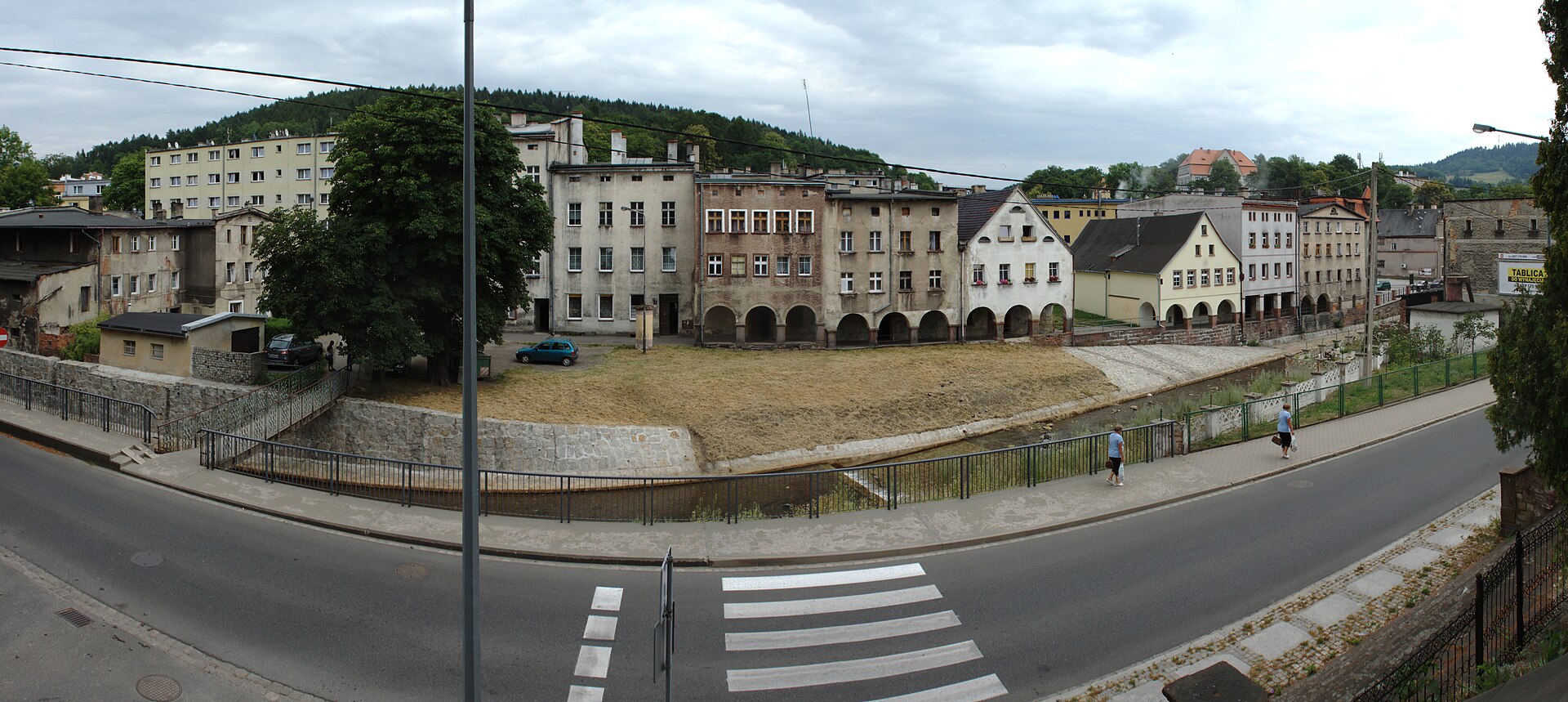
Nowa Ruda is one of those quiet Polish towns that rarely makes it onto tourist itineraries, and that’s precisely what makes it worth a visit. Tucked away in the southwest of the country, it feels like a place where time has settled into a slower rhythm. The streets are lined with old houses, their facades worn but dignified, and the air carries the faintest hint of history—not the grand, dramatic kind, but the quiet, everyday sort that lingers in places where life has unfolded steadily for centuries. At the heart of it all stands the town hall, a building that doesn’t demand attention but quietly earns it.
Built in the late 19th century, the town hall reflects a period when Nowa Ruda was thriving. The city’s growth was fueled by textile manufacturing and coal mining, industries that shaped its identity and brought a measure of prosperity. At the time, the region was part of Prussia, and the architectural influence of German traditions is evident in the town hall’s design. The building follows the neo-Renaissance style, popular across Europe in that era, with its balanced proportions, tall arched windows, and a facade of light-colored stone. A small clock tower rises above the entrance—a nod to convention rather than a statement of grandeur. It’s the kind of detail that feels familiar in European town halls, yet here it carries a modest, almost understated charm.
Inside, the town hall has been adapted for modern administrative use, but traces of its original character remain. The staircases with wrought-iron railings, high ceilings, and heavy wooden doors speak of a time when the building was more than just an office. The meeting hall still displays the town’s old coat of arms, an unusual emblem featuring a miner with a pickaxe and a weaver at a loom. These figures represent the two industries that defined Nowa Ruda for generations, and their presence on the crest is a reminder of how deeply the town’s fate was tied to the earth and the loom.
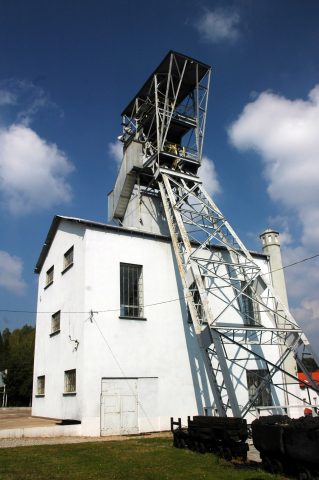
Nowa Ruda’s history is inseparable from mining. Silver and lead were extracted here as far back as the Middle Ages, but it was coal that transformed the town in the 19th century. By then, Nowa Ruda had become a significant mining center in Silesia, and the industry left its mark on the city’s architecture, economy, and even its social fabric. The town hall was constructed during this boom, a symbol of the city’s newfound importance. Yet the prosperity didn’t last. By the mid-20th century, the coal reserves dwindled, the mines closed, and Nowa Ruda began to fade from the industrial map. Today, only a few remnants of that era remain—abandoned buildings, a handful of museums, and the occasional plaque marking a forgotten shaft.
Despite its administrative role, the town hall remains one of Nowa Ruda’s most recognizable landmarks. The clock tower is visible from a distance, and locals often use it as a reference point when giving directions. The small square in front of the building is where the town’s daily life unfolds. In the mornings, vendors set up stalls selling fresh produce, homemade cheese, and other local goods. By evening, the square fills with people chatting over coffee or simply enjoying the quiet. It’s not a grand plaza, but that’s part of its appeal—here, you can see the town as it is, not as it’s packaged for visitors.
Nowa Ruda doesn’t try to be a tourist hotspot, and that’s its strength. There are no crowds jostling for photos, no souvenir shops hawking trinkets, just the unhurried rhythm of a place that has always existed for its own sake. The town hall embodies this perfectly. It doesn’t need to impress; it simply stands as it always has, a quiet witness to the passage of time. In a way, it’s a reminder that history isn’t just made in capital cities or famous landmarks. Sometimes, it’s written in the quiet corners of small towns, where life moves at its own pace.
If you ever find yourself in this part of Poland, the town hall is worth a visit—not just for its architecture, but for the sense of place it carries. Step inside, and you might catch a glimpse of the old meeting hall with its coat of arms, or hear the creak of the wooden floors underfoot. If you’re lucky, someone might share a story or two about the town’s past, about the traditions that have endured and those that have faded. After all, a town hall is more than just a building. It’s where decisions were made, where disputes were settled, and where the daily business of life unfolded. In Nowa Ruda, it’s a piece of living history, one that doesn’t need fanfare to be meaningful.