Nowa Ruda sits quietly in the foothills of the Sudetes, a town shaped by the slow, relentless work of generations who pulled coal and slate from the earth. For centuries, mining wasn’t just an industry here—it was the rhythm of life, the reason streets were laid, houses built, and families settled. The Mining Museum, tucked in the town center, offers a way to step into that history without descending into the dark. Though if you’re curious about what lies beneath, there’s a chance to do that too.
The museum occupies a building that once hummed with the business of the mines. Constructed in the early 1900s, it’s a sturdy example of industrial architecture—thick brick walls, high ceilings, and large windows that flood the space with light. Inside, the original details remain: worn wooden staircases, iron railings, and faded blueprints pinned to the walls. These traces of the past make it easy to imagine engineers bent over maps, calculating extraction routes, or clerks scribbling records in ledgers. The building itself feels like an exhibit, a silent witness to the daily grind of running a mine.
The collection goes beyond machinery and tools, though those are here in abundance. You’ll find the simple implements of early mining—picks, shovels, hand drills—alongside the more complex contraptions that arrived with industrialization. Models of mine shafts show how extraction evolved, from manual labor with picks and chisels to horse-drawn carts and, later, steam-powered engines. One display contrasts the cramped, dimly lit tunnels of the 19th century with the slightly less claustrophobic setups of the early 20th, when basic mechanization began to ease some of the burden. It’s a reminder that progress in mining was measured in small, hard-won steps.
A separate section focuses on the people behind the work. Photographs from the early 1900s capture the faces of miners—soot-streaked, exhausted, but often with a hint of pride. There are personal items too: a miner’s lamp, a lunch pail, a well-worn jacket. Documents and newspapers from the era reveal the social side of the industry—strikes, labor disputes, the push for better conditions. It’s clear that mining wasn’t just about extracting resources; it was a way of life that shaped communities, politics, and even local culture. The exhibits don’t romanticize the work, but they do show the resilience of those who did it.
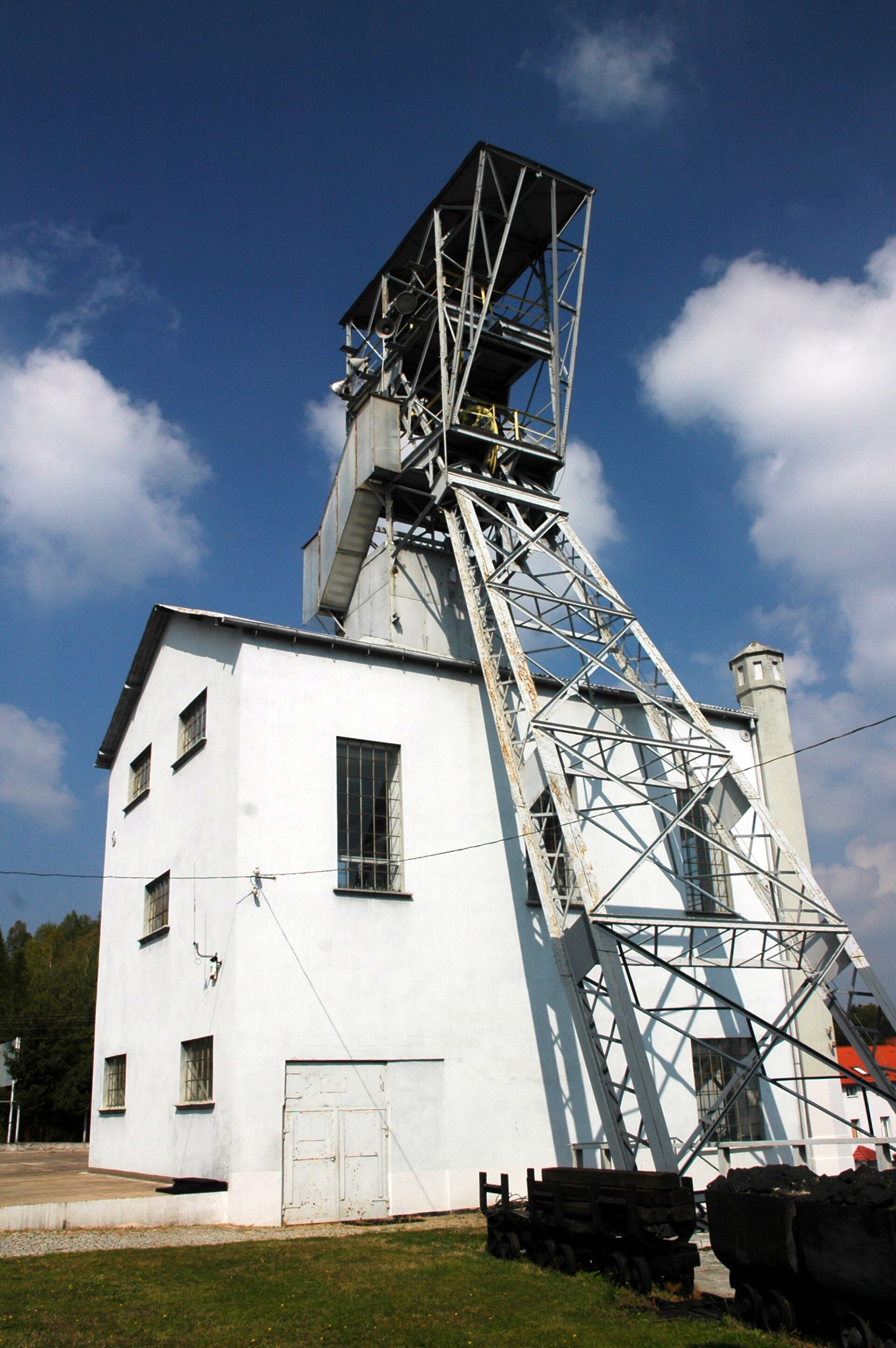
The underground tour is where the museum’s atmosphere shifts from informative to immersive. A short walk from the main building leads to the entrance of an old mine shaft, now repurposed for visitors. Descending about thirty meters below the surface, you step into a world of narrow passageways, low ceilings, and the damp, earthy smell of underground spaces. It’s not an active mine, but the conditions are recreated with enough detail to make the experience feel real. Guides point out the tools and techniques miners used, from hand drills to early ventilation systems, and explain the dangers they faced—cave-ins, gas leaks, the ever-present risk of injury. The tour isn’t long, but it’s enough to leave you with a quiet respect for the people who spent their lives in these tunnels.
The museum doesn’t just dwell on the past. There’s a section dedicated to modern mining and the challenges it faces, particularly around environmental impact. Displays explain how abandoned mines are reclaimed, how new technologies reduce harm to the land, and what the future of mining might look like in a world increasingly concerned with sustainability. It’s a thoughtful counterpoint to the historical exhibits, a reminder that the story of mining is still being written.
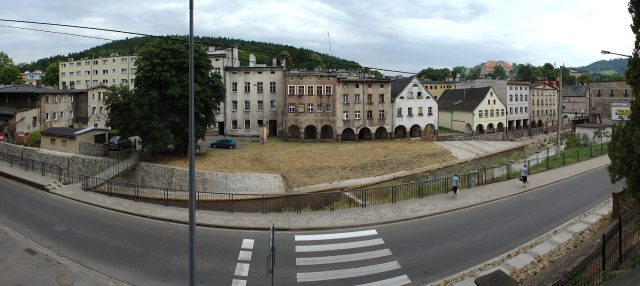
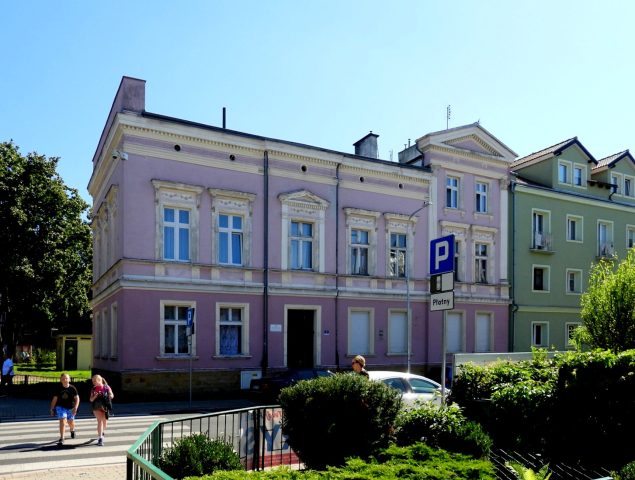
Nowa Ruda itself is a place where the past lingers in plain sight. The streets around the museum are lined with buildings that once served the mines—administrative offices, workers’ housing, even the skeletal remains of old industrial sites. A walk through town reveals the layers of history, from the grander structures of the mining company’s heyday to the modest homes where families lived. If you climb one of the nearby hills, the view stretches over rooftops and into the distance, where the land once teemed with activity and now lies still. It’s a landscape that tells its own story, one of labor, change, and quiet endurance.
What makes the Mining Museum stand out is its lack of pretense. There’s no glossing over the harsh realities of mining—no attempt to make it seem anything other than what it was: difficult, dangerous, and essential. But there’s also a recognition of the skill, the camaraderie, and the sheer determination that defined the lives of miners. The museum doesn’t just display artifacts; it preserves a way of life. Visiting feels less like touring a collection and more like stepping into a chapter of history that’s often overlooked but deeply human. You leave with a sense of having touched something real, something that shaped not just a town, but the lives of countless people who called it home.