Centenario Park is one of those quiet corners in Mérida where people come not for spectacle or excitement, but simply to step away from the city’s hustle. Tucked between busy streets in the heart of the Yucatán capital, it feels like a world apart the moment you cross its threshold. The noise of traffic fades, replaced by the rustle of palm leaves and the murmur of locals chatting on benches. Though small, the park makes up for its size with careful design—shaded walkways, a duck pond, and even a modest zoo where visitors can see native animals in their element.
The park’s history is woven into Mérida’s own transformation in the early 20th century. Built to mark Mexico’s centennial of independence in 1910, it was part of a broader movement to modernize the city, turning public green spaces into symbols of progress. Back then, parks like Centenario weren’t just for leisure; they were places where people gathered for concerts, exhibitions, and civic events, reflecting the era’s optimism. The name itself—Centenario, meaning "centennial"—hints at that moment in time when Mérida was redefining itself.
There’s nothing grand about the park’s architecture, and that’s part of its charm. The central path is lined with tiles, flanked by trees that offer respite from the sun. At its heart stands a fountain, a favorite spot for children to splash around. Nearby, a small stage hosts live music on weekends, usually local bands playing traditional Yucatecan tunes. The surrounding buildings, with their colonial-era arches and high ceilings, add a sense of timelessness, as if the park has always been here, quietly watching the city change around it.
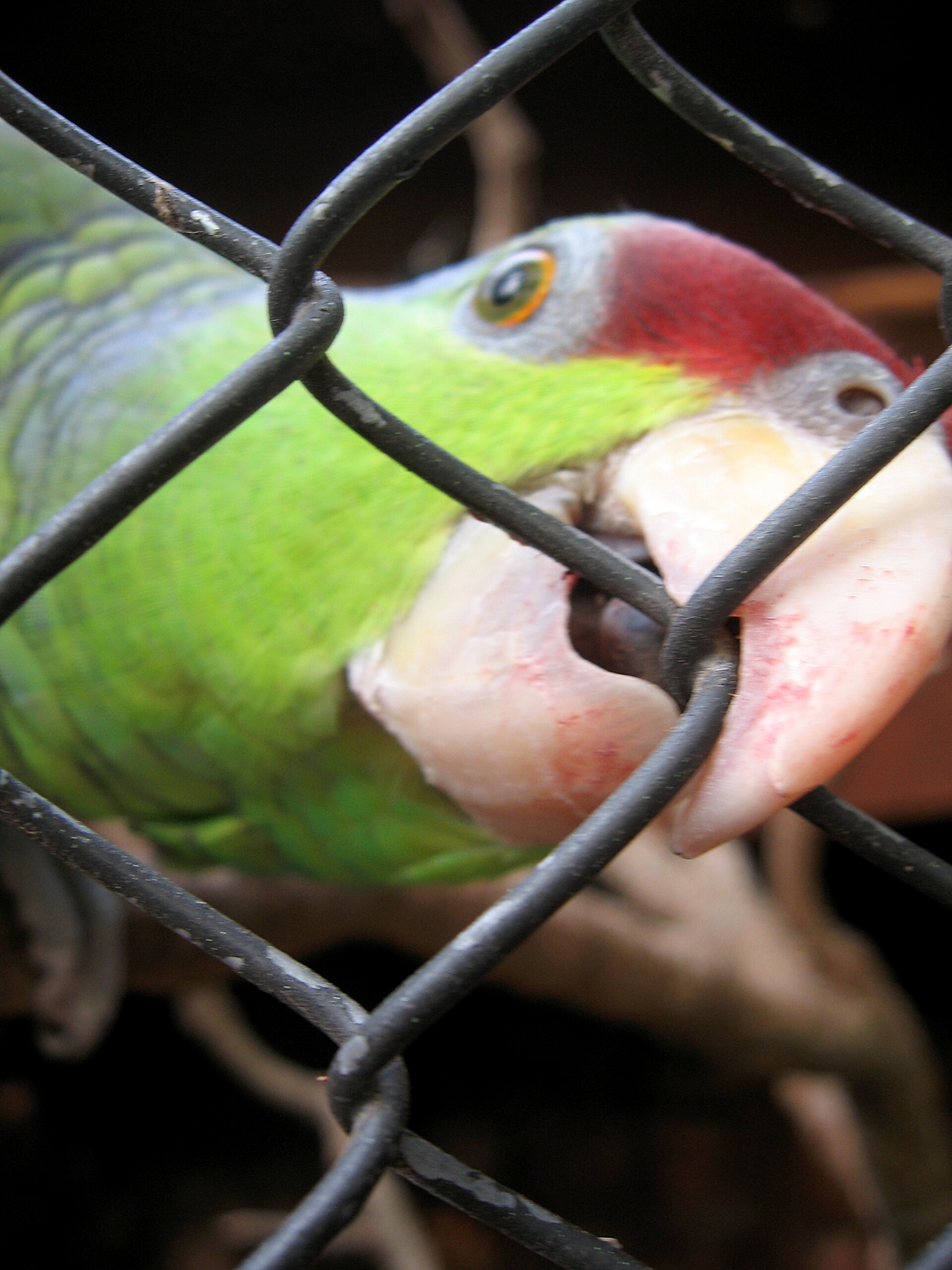
The mini-zoo inside the park is a particular draw, especially for families. Unlike larger zoos, it focuses solely on regional wildlife—ocelots, howler monkeys, iguanas, and native birds. The enclosures are designed to be unobtrusive, allowing animals to go about their routines while visitors observe from a respectful distance. It’s a small but thoughtful touch, a reminder of the biodiversity that thrives just beyond the city limits.
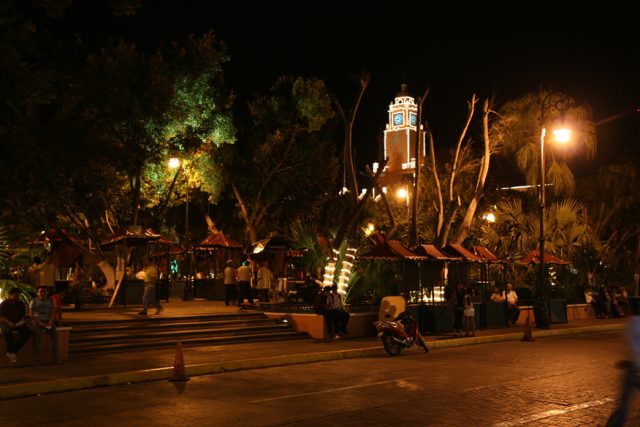
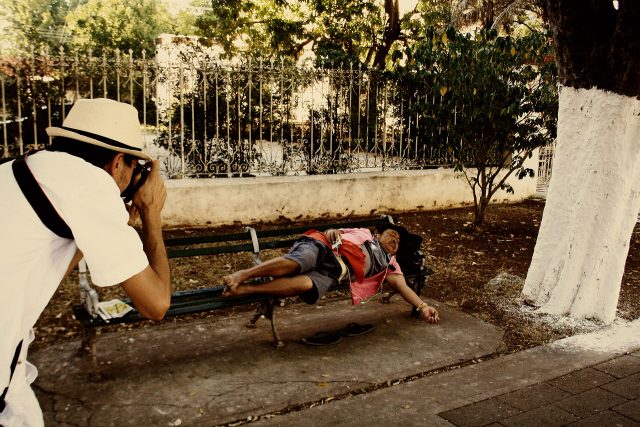
What makes Centenario Park special is its unhurried pace. There are no crowds here, no tourists rushing to snap the perfect photo. Instead, you’ll find elderly men playing dominoes under the trees, mothers pushing strollers, or students lost in books. In the evenings, soft lamplight casts long shadows across the paths, and the air fills with the scent of blooming shrubs. The park feels lived-in, like a shared backyard for the neighborhood.
Beyond its role as a green space, Centenario serves as a gathering place for the city’s daily rhythms. Local craft fairs pop up here, selling embroidered textiles, clay pottery, and silver jewelry. Occasionally, there are free workshops on traditional Yucatecan crafts, filling the air with music and laughter. For many in Mérida, the park isn’t just a place to relax—it’s a part of their routine, a spot where they come to unwind and connect.
While tourists haven’t flocked to Centenario in the same way they have to Mérida’s more famous landmarks, those who stumble upon it often leave surprised by its warmth. There are no aggressive vendors or loud hawkers, just a quiet corner where the city’s true character shines through. You could spend hours on a bench, watching the light shift, children feed the ducks, or old friends chat over coffee. It’s the kind of place where time doesn’t just slow down—it almost stops.
Centenario Park is a reminder that travel isn’t only about grand cathedrals or ancient ruins. Sometimes, the most memorable moments are the simplest: the shade of a tree on a hot afternoon, the smell of cut grass, the sound of laughter. The park doesn’t try to impress, and that’s why it’s so easy to lose yourself in it. Here, you can forget about schedules and obligations, if only for a little while. And perhaps that’s the point.