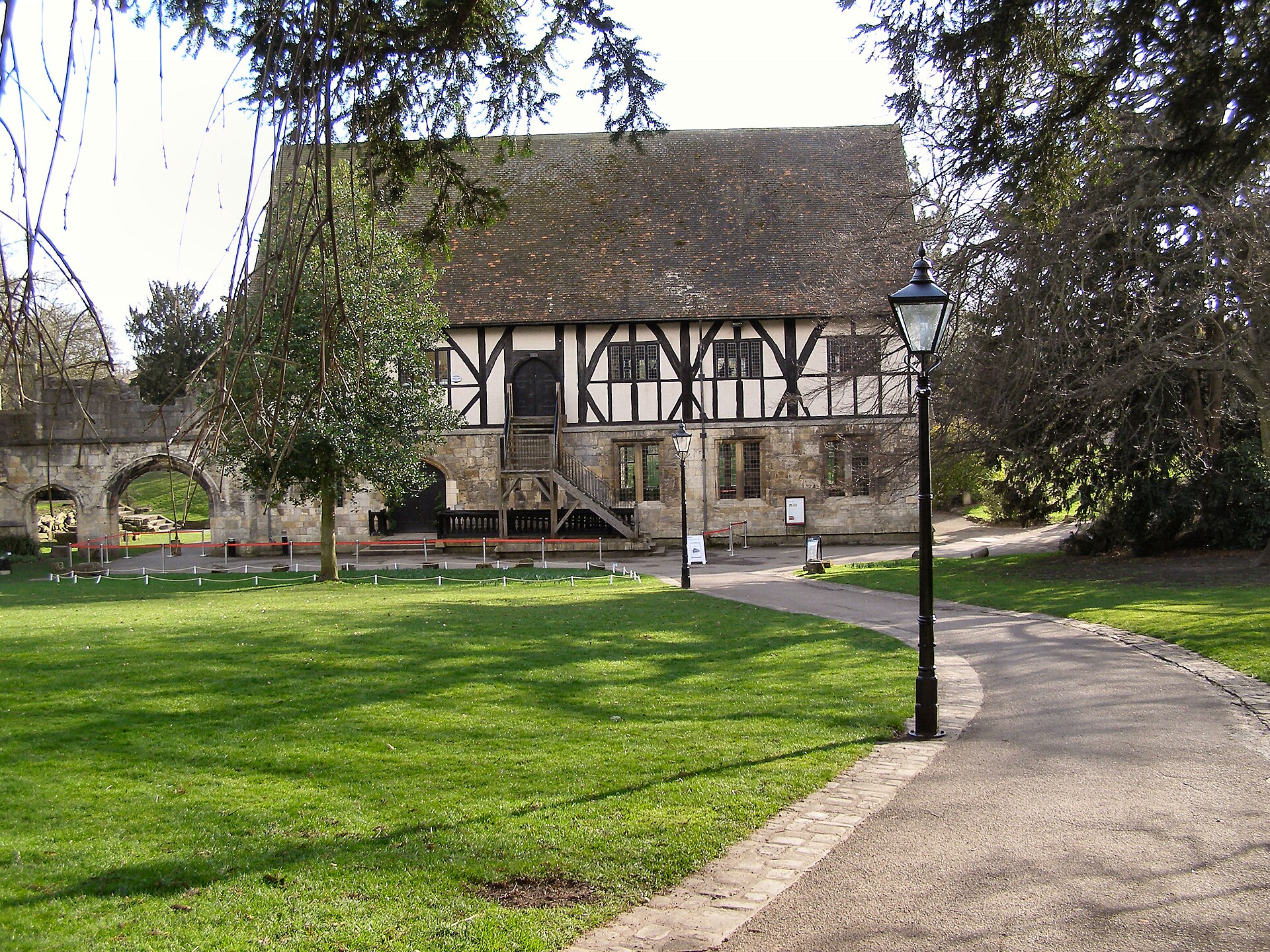
York’s Museum Gardens sits along the River Ouse, a short walk from the city center. Here, history, nature, and daily life overlap without fanfare. Students read on the grass, families watch children chase pigeons, and visitors move between ruins and lawns. The gardens don’t ask for your attention—they let you set the pace, whether you’re watching swans or tracing the layers of time in the stone.
The ruins of St. Mary’s Abbey anchor the space. Founded in the 11th century as a Benedictine monastery, its remaining walls and arches show centuries of wear. The abbey once ranked among northern England’s wealthiest, its power extending beyond York. That changed in the 1530s when Henry VIII dissolved the monasteries. Locals later used the stones for new buildings. Now, the ruins stand quietly, especially striking at dusk when sunlight warms the stone. The gardens around them stay uncluttered, letting the past speak for itself.
Next to the abbey, the Yorkshire Museum occupies a neo-Gothic building that once served as a workhouse. Inside, exhibits span York’s history, but the Viking collection draws the most interest. York was Jorvik, a Norse kingdom’s capital in the 9th and 10th centuries. The museum displays coins, tools, and a reconstructed Viking street. The galleries feel open, with space to examine details without rushing. You can almost see the people who once walked these streets, their lives now preserved behind glass.
The Victorian greenhouse offers a different kind of escape. Warm and humid, it smells of damp earth and tropical plants. Nearby, the botanical garden changes with the seasons—roses bloom in summer, leaves turn in autumn. Photographers sometimes work here, though wandering without a plan is just as rewarding. On one of the museum’s outer walls, a 19th-century astronomical clock still tracks the sun, moon, and zodiac. It’s a reminder of how people once marked time by the sky.
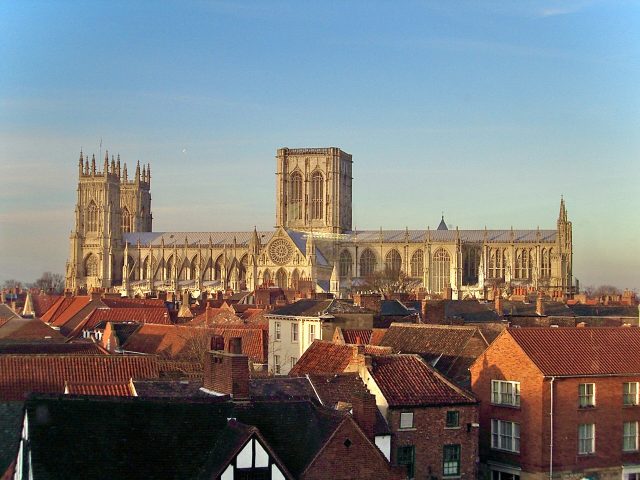
The gardens shift with the seasons. Summer brings open-air concerts and theater. Local musicians play on weekends, and visitors gather with blankets and food. Winter hosts Christmas markets, where mulled wine scents the air. For quieter moments, riverside paths offer space away from crowds. Fishermen sit along the banks, while children climb nearby. A small hill overlooks the city, where medieval spires mix with modern rooftops.
Museum Gardens doesn’t try to impress. It’s not a pristine park or a polished historical site. Ruins stand beside Victorian greenhouses, and modern visitors walk paths once used by monks. The gardens feel lived-in, shaped by centuries of use. You might arrive for an hour and stay all day, or return to notice something new—a carving in the stone, a hidden bench, the way light hits the river. History isn’t just preserved here; it’s still part of the place.