York’s National Railway Museum isn’t just a collection of trains—it’s a place where the story of Britain’s railways unfolds in all its ambition, innovation, and everyday grit. Housed in the vast halls of a former locomotive depot, the museum preserves the physical scale of the industry while revealing the human stories behind it. These were the spaces where engines were repaired, crews prepared for long journeys, and the rhythm of the rails kept the country moving. Now, the same brick walls and iron beams frame a different kind of work: the careful preservation of a legacy that shaped modern Britain.
The choice of York as the museum’s home makes perfect sense. For centuries, the city has been a crossroads, a place where north and south met, and by the 19th century, it had become a hub of railway engineering. The workshops here were where new ideas took shape—where steam gave way to diesel, where speed records were broken, and where the very concept of travel was redefined. The museum doesn’t just display trains; it shows how they transformed lives. Without railways, there would have been no commuter culture, no mass tourism, no swift movement of goods that allowed cities to grow. They were the invisible threads holding the country together, and this museum makes those threads visible.
The collection spans over three hundred years, from the earliest steam engines to the sleek high-speed trains of today. One of the most famous exhibits is George Stephenson’s *Rocket*, built in 1829. This was the machine that proved steam could be fast and reliable, winning the Rainhill Trials and setting the standard for the future. Nearby stands the *Flying Scotsman*, the iconic locomotive that once raced between London and Edinburgh, its polished brass and green livery a symbol of an era when travel was as much about romance as it was about getting from one place to another. Then there are the royal carriages—Queen Victoria’s private saloon, with its mahogany panelling and velvet upholstery, a reminder that railways were as much about power and prestige as they were about progress.
But the museum goes beyond the machines themselves. It’s also a record of the people who built, ran, and relied on the railways. Exhibits include everything from old tickets and timetables to the uniforms of porters and engineers, their badges and buttons worn smooth by time. One gallery recreates the atmosphere of an early 20th-century station buffet, where travellers might have sipped tea while waiting for a connection. Another explores the railways’ role in wartime, when trains carried not just soldiers and supplies but also evacuee children, their labels tied to coats as they were sent to safety. These stories make the history feel immediate, showing how the railways were woven into the fabric of daily life—especially in moments of crisis.
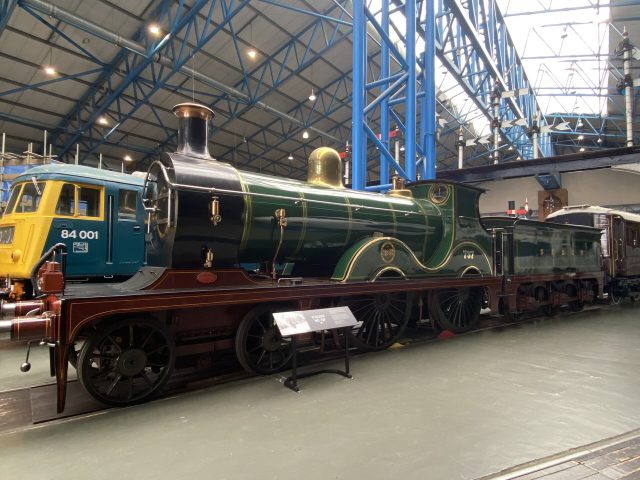
The architecture of the museum is part of the experience. The main hall, with its soaring glass roof, was once a working repair shed, and its scale still feels industrial, even as it now houses some of the most significant locomotives in history. Standing next to these towering machines—some weighing hundreds of tonnes—it’s impossible not to feel a sense of awe. Elsewhere, smaller galleries offer a closer look at the details: blueprints, models, and interactive displays that explain how these engines worked. For children, there are hands-on exhibits where they can pretend to drive a train or manage a signal box, while adults can climb into the cab of a real locomotive and imagine the skill it took to operate one.
The museum isn’t just about static displays. Occasionally, the great steam engines are fired up, their pistons hissing and wheels turning as they release plumes of white vapour. The sound alone is enough to transport visitors back to an age when the arrival of a train was an event, a promise of adventure. Temporary exhibitions add new layers to the story, whether they’re exploring the design of luxury carriages or the legends of famous routes like the Orient Express. These moments remind visitors that railways were never just about function—they were about aspiration, about the idea that the world could be made smaller, more connected.
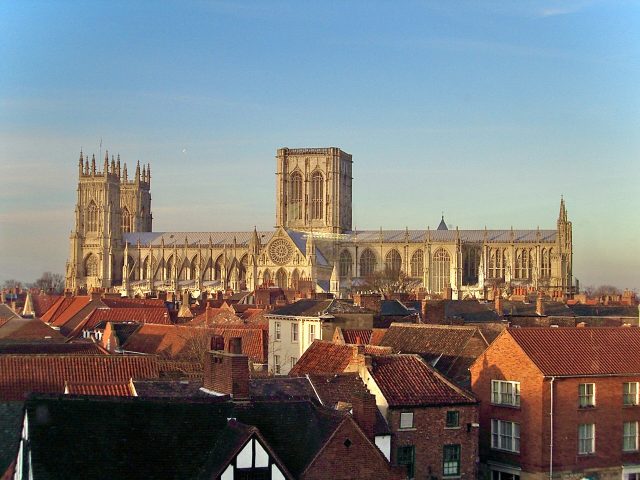
York itself is a city where history is always present, and the railway museum fits seamlessly into that narrative. After wandering through its halls, it’s worth stepping outside to explore the rest of the city—the medieval streets, the towering Minster, the ancient walls that offer views over rooftops and the railway lines stretching into the distance. The railways didn’t just pass through York; they helped shape it, turning a quiet market town into a vital link in the nation’s network. The museum doesn’t let that connection fade. Instead, it shows how the past and present are still running on the same tracks.
What makes the National Railway Museum special is its ability to make history feel alive. It’s not a dry catalogue of dates and technical specifications; it’s a place where every exhibit has a story. There’s the engineer who designed a more efficient boiler, the family who saved for years to take their first train journey, the signalman who worked the same shift for decades. The railways were built by people, and this museum ensures their voices aren’t forgotten. It’s a reminder that progress isn’t just about machines—it’s about the hands that built them and the lives they touched.
Visiting the museum is more than just a lesson in engineering. It’s a chance to see how a single invention reshaped a nation, how it changed the way people lived, worked, and dreamed. The railways were a revolution, and this is where that revolution is preserved—not as a relic, but as a living story, one that’s still being written today.