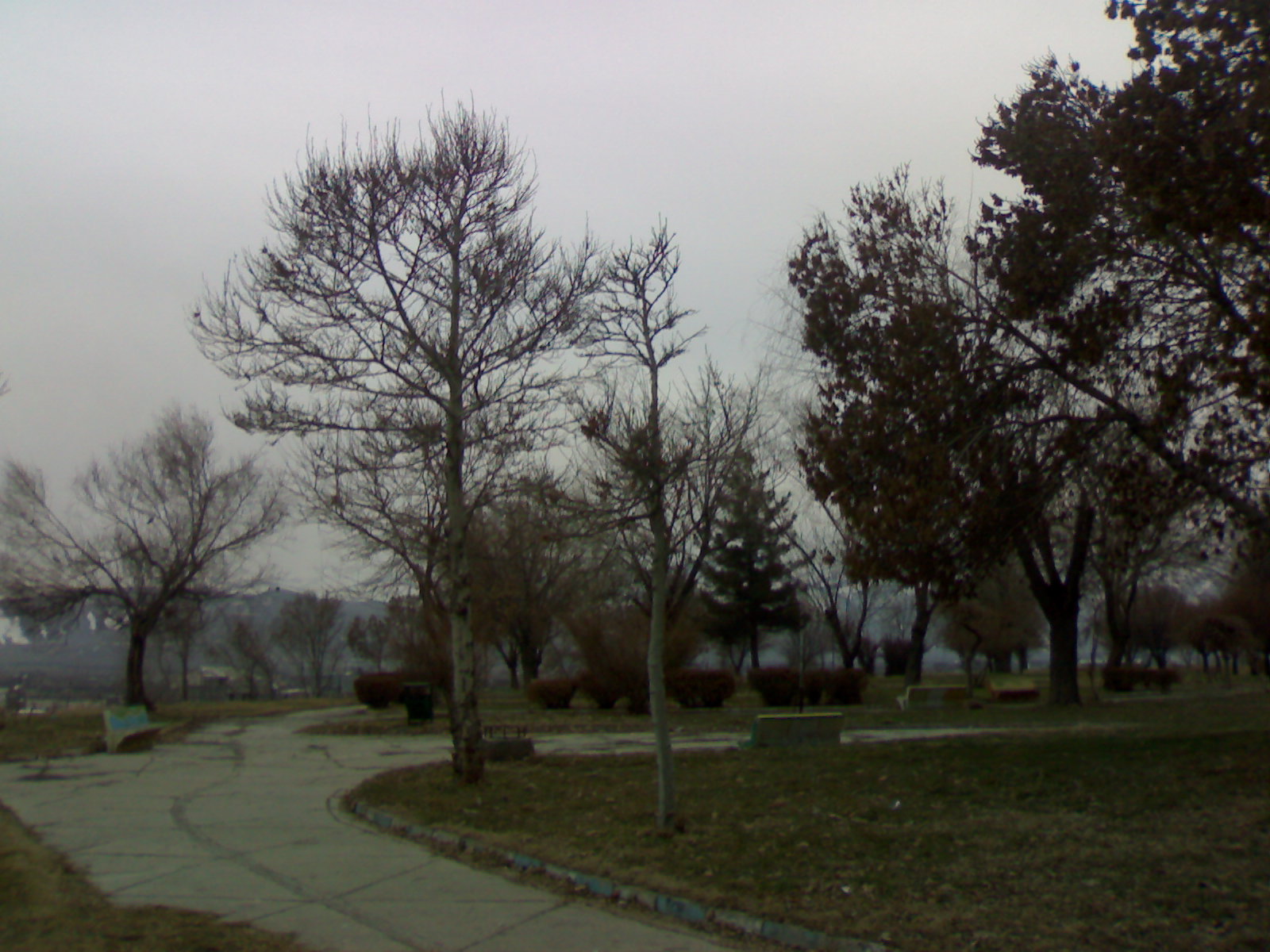
Negede’s Mellat Park doesn’t have grand gates or manicured lawns. It sits in a quiet corner of northwestern Iran, where the air carries the dry scent of distant mountains. Locals come here to escape the midday heat, let children run, or spend an afternoon with family. The trees lining its paths offer shade, and the flowerbeds are tended just enough to feel cared for.
The park’s origins go back to when Negede was shaping its modern identity. Once a trading post along ancient routes, the city changed in the mid-20th century, blending foreign ideas with its own rhythms. Mellat Park emerged from that shift—not as a showpiece, but as a practical space for daily life. It reflects an era when Iran borrowed urban planning ideas from Europe but adapted them to its own culture. There are no grand monuments here, no sweeping vistas. The park was built for people to walk, sit, and simply be.
Architecturally, it’s simple. A central promenade leads to a small fountain, its water trickling enough to draw children splashing at its edges. Benches line the paths, placed under the dappled shade of plane trees or along open stretches where the sun warms the stone. The layout isn’t rigid; it meanders, with pockets of greenery breaking up the lawns. The space never feels monotonous. You might find a quiet corner with a view of the mountains or walk beneath a canopy of rustling leaves.
What makes Mellat Park stand out is how it fits into life in Negede. Mornings often begin with elderly men playing backgammon, their pieces clicking against the wood. By midday, families arrive with picnic blankets, spreading them on the grass while children chase each other. Evenings belong to the younger crowd, who linger on benches with cups of tea, talking or scrolling through their phones. On weekends, the park becomes an extension of home—carpets are rolled out, samovars hiss with boiling water, and the scent of fresh bread drifts from portable ovens. The park absorbs whatever the day brings.
The plants here were chosen for a reason. Plane trees, resilient against drought, dominate the landscape, their broad leaves providing shade. Shrubs and flowers are hardy, needing little water. Unlike the pruned gardens of Isfahan or Shiraz, Mellat Park’s greenery feels natural. It’s not wild, but it’s not overly controlled. The result is a space that feels lived-in, where nature and people coexist.
Over the years, the park has mirrored changes in Iranian society. Where it was once mostly a gathering place for men, today you’ll see women strolling with friends, families picnicking, and groups of all ages mingling. During Ramadan, the park becomes a hub for iftar gatherings, with neighbors sharing meals as the call to prayer echoes from nearby mosques. On other holidays, it fills with music and laughter, the air thick with the scent of grilled kebabs and sweet pastries.
For travelers, Mellat Park offers a glimpse of Negede as it is. There are no signs pointing out landmarks, no guided tours. Just the hum of daily life—conversations in Farsi, the clatter of backgammon pieces, the occasional bark of a stray dog. Unlike parks in Tehran, where time feels rushed, here the hours stretch out lazily. Even a short visit leaves the impression of stepping into a rhythm that’s been steady for decades.
New public spaces are appearing in Negede, some with modern designs, but Mellat Park remains a favorite. It doesn’t try to be anything other than what it is—a place of quiet refuge, a backdrop for ordinary moments. It endures, a green oasis in the city, where the past and present coexist without fuss.