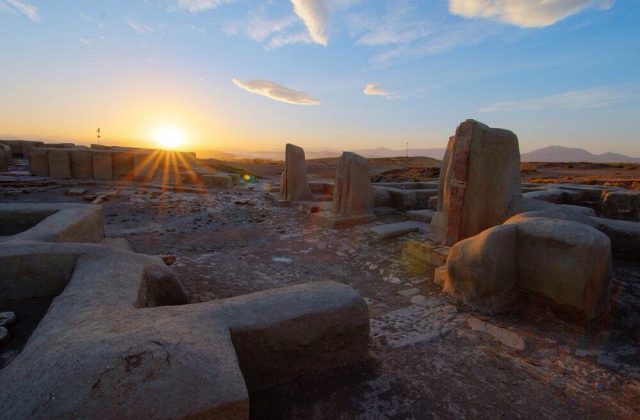
Jameh Mosque of Neydeh sits quietly in the heart of a small Iranian town, its presence unassuming yet enduring. Unlike the grand mosques of Isfahan or Shiraz, it doesn’t draw crowds of visitors, and that’s part of its charm. The streets around it carry the weight of centuries, where life unfolds at its own pace beneath the watchful gaze of minarets and domes.
The mosque’s architecture dates back to the Seljuk era, though historians debate the exact year of its construction. Built between the 11th and 12th centuries, it reflects a time when the region flourished under Seljuk rule. The main prayer hall is supported by sturdy columns arranged in precise rows, their simplicity belying the skill of the craftsmen who shaped them. The mihrab, adorned with delicate stucco carvings of arabesques, is a testament to the anonymous artisans who left their mark here. Above, the dome seems to float effortlessly, its curves catching the light in a way that makes it appear weightless.
The minaret is short and stocky, a departure from the towering structures found elsewhere. Its broad base tapers upward, giving it a grounded, almost fortress-like appearance. Locals say it once served a dual purpose—calling the faithful to prayer while also acting as a lookout post. Today, it stands as a reminder of how practicality and beauty often intertwined in traditional architecture.
Inside, the mosque is unadorned. The walls are covered in plain plaster, with only faint traces of ancient paintings hinting at its past. The stone floor, worn smooth by generations of worshippers, leads to a small ablution pool in the corner, its water always cool. There’s no gold or extravagance here, just a quiet sense of authenticity that lingers in the air.
Neydeh moves to its own rhythm, and the mosque is at the center of it. On Fridays, men gather for communal prayers, their voices filling the hall in a ritual that has repeated for centuries. On other days, the space becomes a meeting place—where news is shared, concerns are voiced, and the shade of its walls offers respite from the sun. For outsiders, it’s a rare glimpse into how religious architecture remains woven into daily life.
Beyond the mosque, the town unfolds in narrow alleys that lead to the old bazaar. Here, the scent of spices mingles with the earthy aroma of handmade ceramics and the vibrant hues of woven textiles. In the teahouses, glasses of steaming tea are served alongside stories from elders who’ve watched the town change, yet remain the same. The surrounding desert hills rise gently in the distance, and if you climb one as the sun sets, the mosque appears framed by golden sands, its silhouette a quiet anchor in the landscape.
Visiting the Jameh Mosque isn’t just about seeing a historical site—it’s about stepping into a slower, more deliberate way of life. There’s no rush here, no clamor of tourist crowds. Instead, there’s the stillness of old stone, the murmur of voices in the courtyard, and the sense that within these walls, time has settled into a rhythm all its own. It’s a place where the past isn’t just remembered; it’s lived.