Sheikh Ahmad Negedi’s mausoleum is the kind of place that doesn’t announce itself. It sits quietly in the small town of Neged, far from Iran’s well-trodden tourist paths, where time seems to move differently—slower, more deliberate, as if respecting the weight of what has come before. This isn’t just a monument; it’s a living thread in the region’s spiritual fabric, one that has been woven over centuries.
Little is known for certain about Sheikh Ahmad Negedi himself, but his legacy endures in the stories still told about him. A Sufi thinker and poet, he is remembered for his wisdom and his ability to bring people together. The mausoleum built in his honor draws not only those who follow Sufi traditions but also anyone seeking a moment of quiet reflection. There are no grand ceremonies here, no crowds—just a space where visitors can sit with their thoughts, undisturbed.
The architecture is simple, yet every detail carries meaning. The building is made of brick, weathered over time into a soft, warm hue that blends seamlessly with the surrounding landscape. The dome is low and unassuming, but its gentle curve gives the structure a sense of lightness, as if it might lift into the sky at any moment. Inside, the air is dim, pierced only by thin shafts of light filtering through latticed windows. The walls are adorned with calligraphy—verses from the sheikh’s poetry and passages from the Quran—rendered with the precision and grace that define Iranian art.
At the heart of the mausoleum lies the sheikh’s grave, marked by a modest marble slab. Visitors often sit nearby in silence or murmur prayers, the space around them feeling alive with history. There is no opulence here, only a quiet authenticity, as if the very walls hold the echoes of those who have come before. On certain days, particularly the anniversary of the sheikh’s death, the mausoleum fills with people paying their respects. But even on ordinary days, it rarely stands empty. Some come simply to sit in the stillness; others seek guidance or comfort.
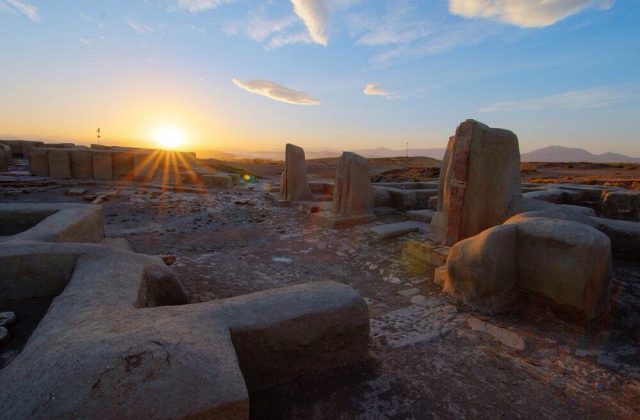
Neged is a town that most travelers overlook, and that only adds to the mausoleum’s allure. There are no tourist crowds, no hustle—just narrow streets lined with low clay houses and the sense that life here moves at its own unhurried pace. The mausoleum fits naturally into this setting, as much a part of the town as the dusty roads or the distant mountains. It doesn’t demand attention, and that’s precisely what makes it so compelling.
Finding the mausoleum isn’t always straightforward. There are no signs pointing the way, no guides waiting to lead visitors. You might wander the town’s alleys, ask a local for directions, or simply stumble upon it by chance. But that’s part of the experience—the quiet thrill of discovering something real, something not designed for mass consumption.
More than just an architectural landmark, Sheikh Ahmad Negedi’s mausoleum is a place where past and present intersect. The traditions tied to this site are ancient, yet they don’t feel frozen in time. Sufi practices still thrive here, though in ways that have adapted to the modern world. For some, it’s a pilgrimage site; for others, just a peaceful corner to escape the noise of daily life. Either way, leaving the mausoleum, you carry something with you—not a loud impression, but a quiet, lasting one.