Omsk’s Park of Culture and Rest named after the 30th Anniversary of the Komsomol
This park doesn’t shout for attention. It sits between residential blocks, its paths worn smooth by decades of footsteps. Opened in 1948, it was one of many green spaces built across the Soviet Union to give workers a place to breathe. The name honors the Communist Youth League, but today it’s less about ideology and more about the people who’ve walked here—grandparents pushing strollers, teenagers sharing headphones, or someone alone with a book by the fountain.
The park isn’t large. A straight paved alley runs from the entrance to a small pond, once the center of a modest amusement area. The rides left—a carousel, a few swings, a Ferris wheel—are simple. They don’t promise thrills, just the quiet joy of a slow spin or a child’s laughter. In summer, the pond draws families. They spread blankets on the grass, and sometimes someone fishes, though the catch is usually small.
The House of Culture stands near the entrance. Its facade is weathered, but inside, it still hums with activity: art classes, dance rehearsals, music lessons. A summer stage nearby hosts local performances or city festivals. The park doesn’t feel frozen in time. It changes, but slowly, like the trees growing taller each year.
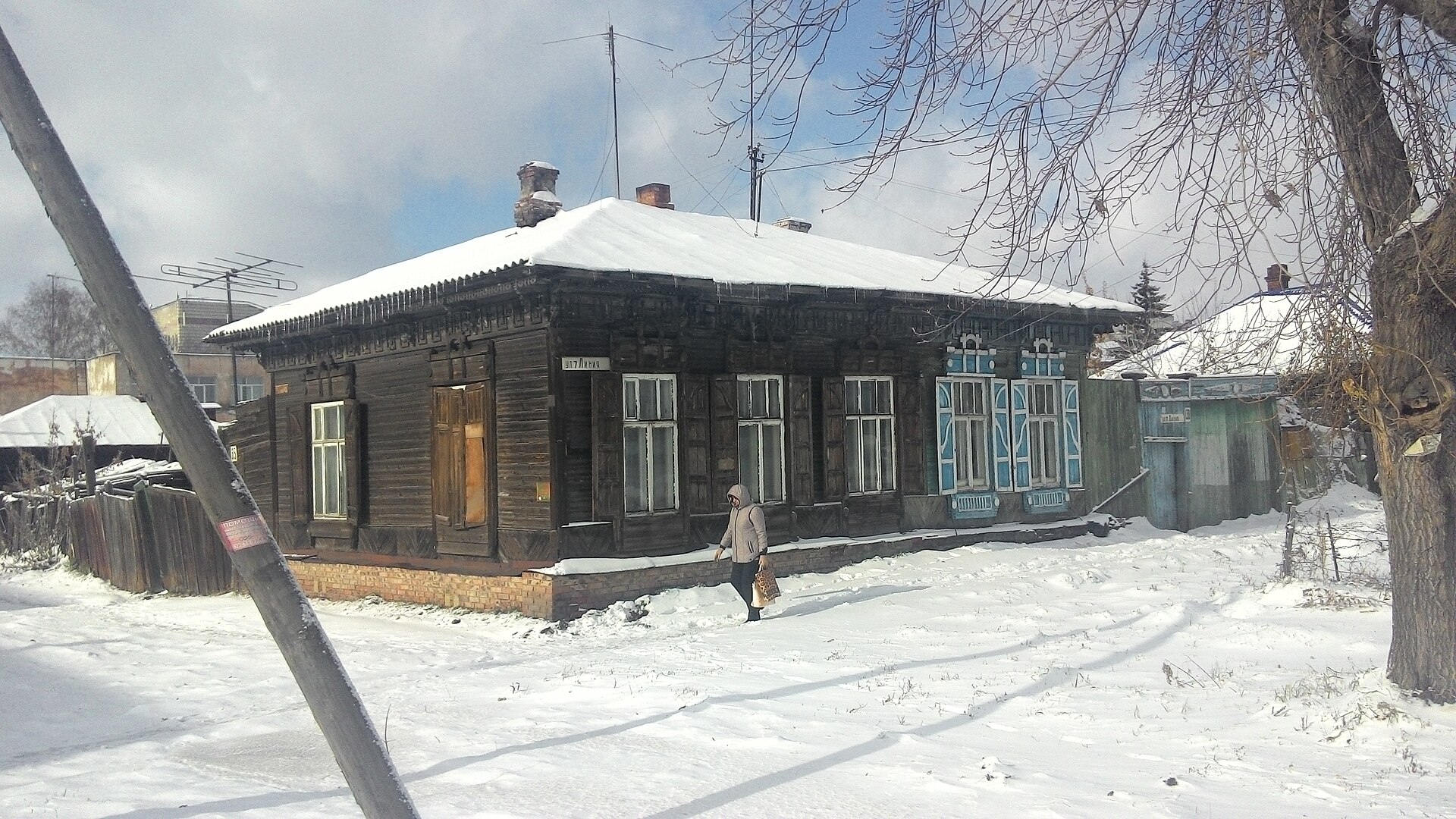
Winter turns the park into a different place. Snow covers the paths, and the pond becomes an ice rink. There are no floodlights or rented skates—just families teaching kids to glide, adults remembering their own childhood winters, and thermoses of tea passed between friends. At New Year’s, a fir tree stands near the entrance. It’s not grand, but many locals prefer its quiet charm to the city center’s bright lights.
A memorial to Omsk’s soldiers who died in Afghanistan sits in a quiet corner. It’s small, easy to miss. On certain days, people leave flowers or gather for memorial events. The park isn’t just for leisure. It holds memories, too.
Summer brings the park alive. Under the shade of poplars and birches, people grill kebabs, play badminton, or lie on the grass with a book. Weekends can get busy, but there’s usually a quiet spot somewhere. Benches line the paths, often filled with retirees talking or parents watching their kids. Sometimes, a guitar plays in the distance, mixing with the scent of cut grass and blooming lindens.
You won’t find this park in guidebooks. It’s not a tourist spot. There are no photo ops or must-see lists. But that’s why it matters to those who live nearby. It’s just trees, paths, benches, and people who come because it’s familiar. The park doesn’t try to impress. It just is—and that’s enough.