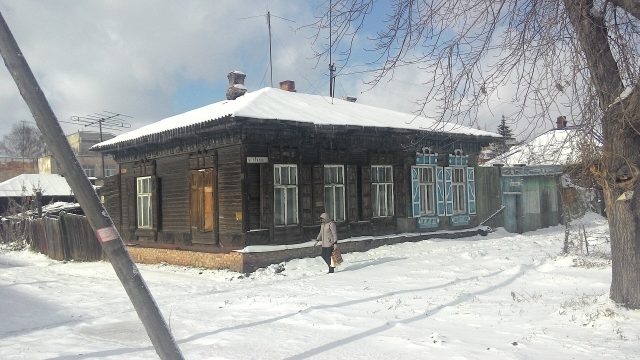
The Omsk State Historical and Local Lore Museum is one of those rare places where time seems to slow down, allowing you to step into the layers of history that have shaped this corner of Siberia. Housed in a stately 19th-century mansion, the building itself is a piece of the past, originally constructed for a wealthy merchant. Its architecture reflects the grandeur of Siberian merchant culture—tall ceilings, heavy oak doors, and intricate stucco facades that have weathered decades of change. Inside, the original parquet floors, ornate tile stoves, and wide wooden staircases still bear the marks of generations who have walked these halls.
The museum opened its doors in 1924, and since then, its collection has grown to encompass hundreds of thousands of artifacts, each telling a story of Siberia’s evolution. The exhibits begin with the region’s earliest inhabitants, showcasing tools, pottery, and jewelry crafted by the indigenous Nenets, Khanty, and Mansi peoples. These objects offer a glimpse into traditions that have endured for centuries, preserved here in a way that feels both intimate and profound.
One of the most compelling sections is dedicated to the Russian exploration and settlement of Siberia. Documents, photographs, and personal belongings of the first settlers reveal the hardships and hopes of those who ventured into these vast lands. A particularly moving exhibit focuses on the Decembrists, the exiled noble revolutionaries who spent years in Omsk. Their letters, sketches, and personal effects create a tangible connection to their lives, making their struggles and resilience feel almost palpable.
The museum also pays tribute to Omsk’s role in World War II, a chapter that often goes unnoticed in broader historical narratives. Though far from the front lines, the city became a vital hub for military supply chains and the relocation of industrial plants. The exhibits include soldiers’ letters, medals, and photographs, many of which belong to those who never returned. Everyday items from the war years—handmade toys, rationed food containers, and patched clothing—paint a vivid picture of the resilience and ingenuity of those who lived through those difficult times.
The Soviet era is another focal point, illustrating Omsk’s transformation into a major industrial center. Models of factories, samples of manufactured goods, and photographs of workers capture the spirit of progress and ambition that defined the period. The museum also highlights the construction of the city’s oil refinery, a project that reshaped Omsk’s economy and identity. These exhibits don’t just document industrial growth; they reveal how it altered the lives of ordinary people, from the way they worked to how they spent their leisure time.
Beyond its permanent collections, the museum regularly hosts temporary exhibitions that keep its offerings fresh and engaging. These might feature contemporary art by local creators, photographic explorations of Siberia’s landscapes, or deep dives into the cultural traditions of the region’s diverse communities. Such displays ensure that the museum remains a dynamic space where history intersects with the present, inviting visitors to see the past through new lenses.
Walking through the museum’s halls is less about ticking off exhibits and more about immersing yourself in the quiet rhythm of history. There’s no rush here, no crowds pressing in—just the opportunity to reflect on the lives that came before, the challenges they faced, and the legacies they left behind. Each artifact, whether a simple tool or a soldier’s letter, carries a story that is at once personal and universal.
What makes the Omsk Historical and Local Lore Museum special is its ability to make history feel immediate. It doesn’t just recount the city’s journey from a small fortress to a bustling urban center; it lets you sense the changes in its streets, its people, and its culture. While it may not be the most famous museum in Russia, it is one of those places where the past doesn’t just feel preserved—it feels alive. For anyone curious about Siberia’s layered history, this is a place where those layers unfold with quiet, unassuming power.