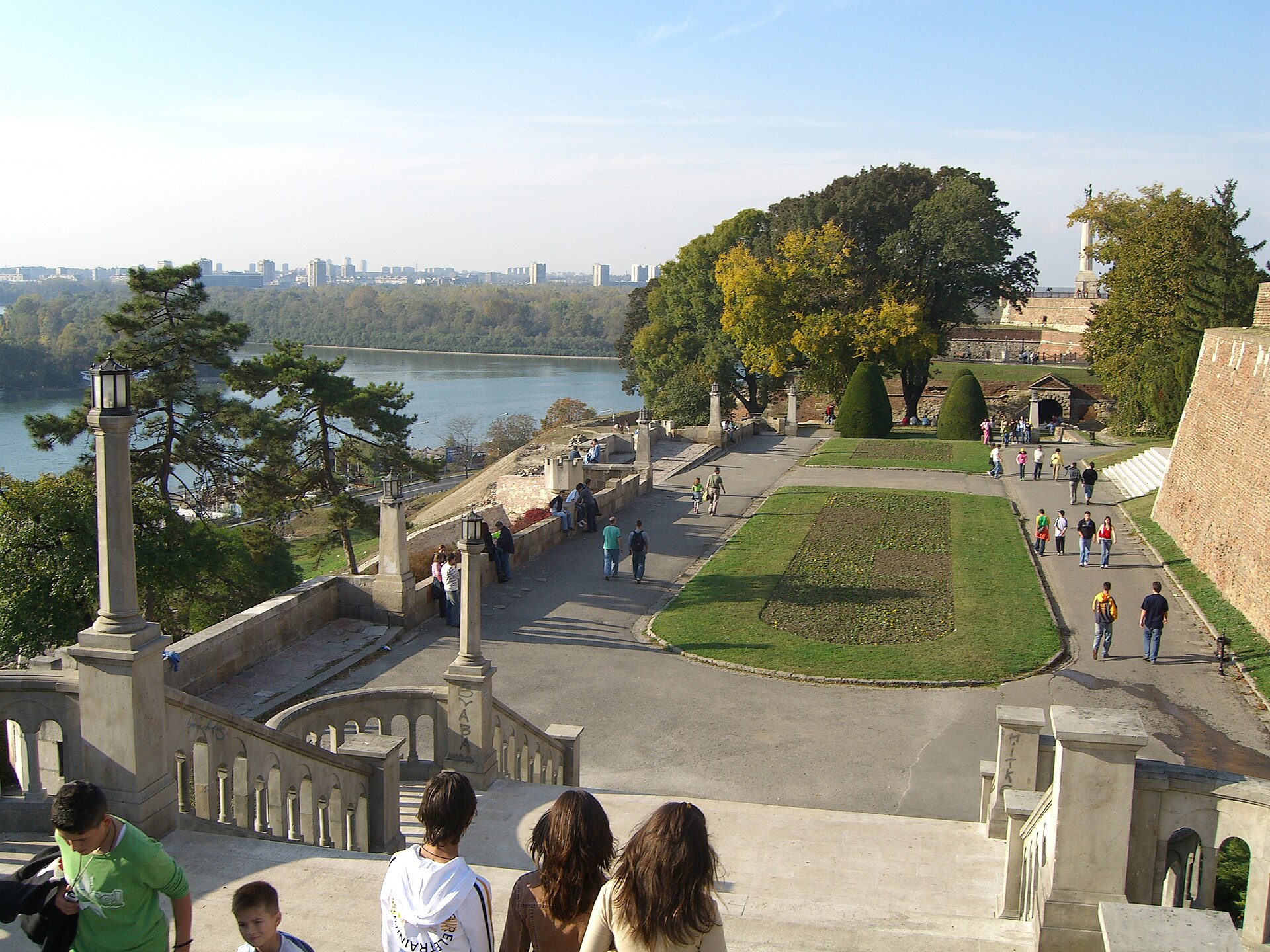
Kalemegdan isn’t just a park in the heart of Belgrade—it’s where the city’s past and present merge seamlessly into everyday life. Perched on a high ridge where the Sava and Danube rivers meet, it has stood as a silent witness to centuries of change. The layers of history here are almost tangible: Roman fortifications, Ottoman bastions, and Austrian military architecture all coexist with the quiet rhythms of modern life. Yet Kalemegdan isn’t a museum frozen in time. It’s a living space where elderly men play chess under ancient trees, children chase pigeons across sunlit paths, and couples stroll along the promenade as the sun dips below the river’s edge.
The name Kalemegdan comes from the Turkish *kale meydanı*, meaning "fortress field," and the fortress itself is the park’s defining feature. Its origins trace back to the 3rd century, when the Romans established Singidunum, a fortified outpost on the empire’s frontier. Over the centuries, the fortress changed hands countless times—Byzantines, Hungarians, Serbs, and Ottomans all left their mark, reinforcing its walls and adding new structures. Today, only fragments remain, but they tell a story of resilience and adaptation, a place that has been rebuilt and reimagined time and again.
At the heart of Kalemegdan is Belgrade Fortress, divided into the Upper and Lower Town. The Upper Town, once home to palaces and temples, now serves as a vast viewpoint. From here, the panorama stretches across the confluence of the two rivers, the bridges spanning the water, and the modern skyline of New Belgrade on the opposite shore. On clear days, the horizon seems endless, the Danube shimmering under the sunlight. The Lower Town, closer to the Sava, holds more tangible remnants of the past: the ruins of Roman baths, Ottoman cannons, and an old well plunging deep into the earth.
The park as we know it today took shape in the 19th century, when Prince Mihailo Obrenović ordered its transformation into a public space. Wide avenues, fountains, and pavilions were added, turning Kalemegdan into a favorite retreat for Belgrade’s residents. Covering over fifty hectares, the park is designed to offer something for everyone. Some come for solitude, finding quiet corners beneath the shade of centuries-old plane trees. Others seek activity—there are sports fields, cycling paths, and even a small zoo. In summer, open-air concerts fill the air with music, while in winter, strings of lights turn the park into a magical landscape.
Monuments dot the park, each with its own story. The most famous is the *Pobednik* (The Victor), erected in 1928 to commemorate Serbia’s victories in the Balkan Wars. The statue—a nude male figure holding a falcon in one hand and a sword in the other—stands tall on its pedestal, visible from afar. It has become one of Belgrade’s most recognizable symbols, though its boldness sparked controversy when it was first unveiled. Nearby, the Monument of Gratitude to France honors Serbia’s allies in World War I, while at the park’s entrance, a statue of Prince Mihailo pays tribute to another pivotal figure in the nation’s history.
Kalemegdan has a way of making hours feel like minutes. Mornings here are especially peaceful, the air crisp as sunlight slowly warms the fortress walls. By midday, the park buzzes with life—tourists snap photos by the monuments, children feed ducks by the pond, and locals wander the paths at a leisurely pace. Evenings are perhaps the most enchanting, as the setting sun paints the sky in hues of pink and gold, and the lights of the bridges reflect on the water. In these moments, Kalemegdan feels less like a park and more like a place where time moves to its own rhythm.
Despite its historical weight, Kalemegdan remains open and welcoming to all. There’s no admission fee, and visitors are free to explore the fortress on their own or join a guided tour. There are no rigid rules here, just space, silence, and the chance to connect with history on your own terms. That might be why Belgrade’s residents hold it so dear—it doesn’t dictate how it should be experienced. It simply exists, offering something different to everyone who walks its paths.