Turov is one of Belarus’s oldest towns, a place where history feels alive in the quiet rhythm of daily life. At its heart lies Kirill of Turov Park, a small but meaningful space named after the 12th-century bishop and scholar who shaped the region’s spiritual and intellectual legacy. The park sits along the banks of the Pripyat River, where the slow current and gentle rustle of leaves create an atmosphere of timelessness. There are no flashy attractions here—just well-tended paths, benches under old trees, and the sense that every step carries you a little closer to the past.
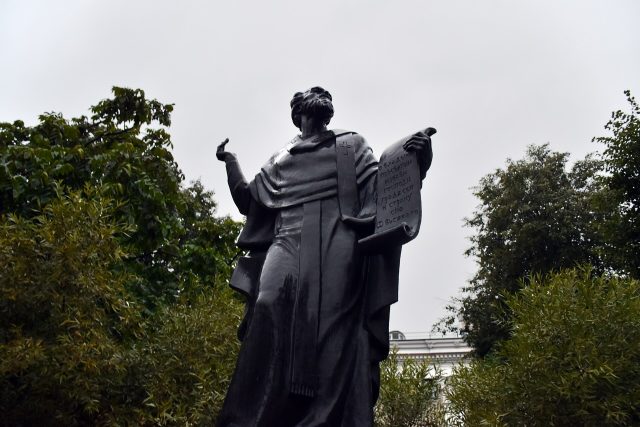
Kirill of Turov, often called the "Golden-Mouthed of the East," was a man of profound learning whose sermons and writings remain studied for their eloquence and theological depth. His bronze statue in the park captures this legacy without grandeur—just a quiet figure in bishop’s robes, surrounded by flowers and trees, as if he still watches over the town he once served. The sculpture blends naturally into the landscape, a subtle reminder of the man who helped define Turov’s place in history.
The park itself is modest in size but thoughtfully designed. Paved walkways wind between linden and maple trees, offering shade and seclusion for those who want to read, think, or simply listen to the wind in the branches. Spring brings blossoming apple and cherry trees, their fragrance filling the air, while summer turns the park into a cool retreat from the heat. In autumn, the leaves turn gold and crimson, painting the scene in warm, muted tones. Even in winter, when snow dusts the paths, the park retains its quiet charm.
The Pripyat River adds another layer to the park’s appeal. Though not wide, the river moves slowly, its calm waters reflecting the sky on clear days. A promenade runs along the bank, where locals stroll in the evenings or sit with fishing rods, watching the light play on the surface. The river’s presence makes the park feel like a bridge between land and water, a place where time seems to pause.
Beyond its natural beauty, the park serves as a cultural hub for Turov. Small gatherings—concerts of sacred music, poetry readings, or exhibitions by local artists—often take place here. Schoolchildren visit on field trips to learn about Kirill of Turov and the town’s medieval roots, while families use the space for picnics, walks, and quiet conversations. It’s a place where history and everyday life intersect, where the past feels tangible without being overwhelming.
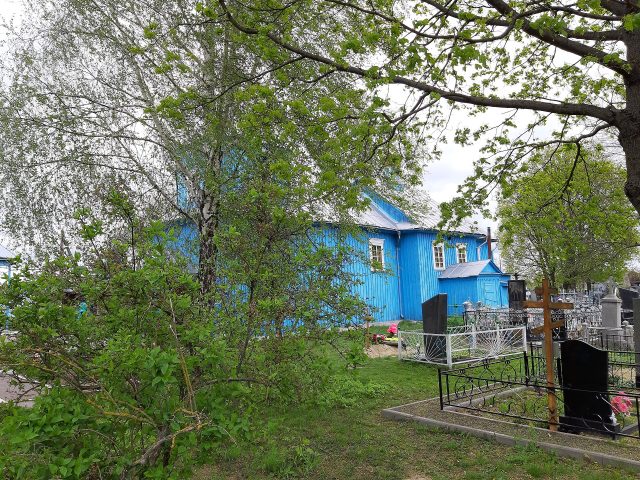
The park’s design is simple, avoiding ostentation in favor of understated details. A wooden chapel, built in the style of ancient Turov churches, stands as a nod to the town’s religious heritage. Nearby, large stones bear carved quotes from Kirill’s writings, their rough surfaces contrasting with the smooth paths. These elements don’t demand attention, but they tell a story for those who take the time to notice.
Turov isn’t a bustling tourist destination, and Kirill of Turov Park reflects that. There are no crowds, no souvenir stands—just the quiet hum of a town that values its history. Mornings here are especially peaceful, with mist rising over the river and the first light filtering through the trees. Evenings bring a different kind of magic, as the setting sun turns the sky pink and the water shimmers with reflected colors. It’s a place where you can feel alone in the best possible way, as if the world has slowed just for you.
For those curious about history, the park is a natural starting point. The ancient hillfort, where archaeologists still uncover traces of 9th- to 12th-century settlements, lies within walking distance. So does the Saints Cyril and Methodius Church, a modern tribute to the Slavic missionaries. But even if you don’t venture beyond the park, Turov’s rhythm seeps in—through the scent of fresh bread from a nearby café, the sound of church bells, or the way the river seems to carry stories from centuries past.
Kirill of Turov Park doesn’t impress with size or spectacle, but it offers something rarer: a sense of authenticity. It’s a place where the past feels present, where a summer afternoon can stretch into something timeless. Whether you come to reflect, to wander, or simply to sit by the river, the park leaves an impression that lingers—not because it’s grand, but because it feels real.