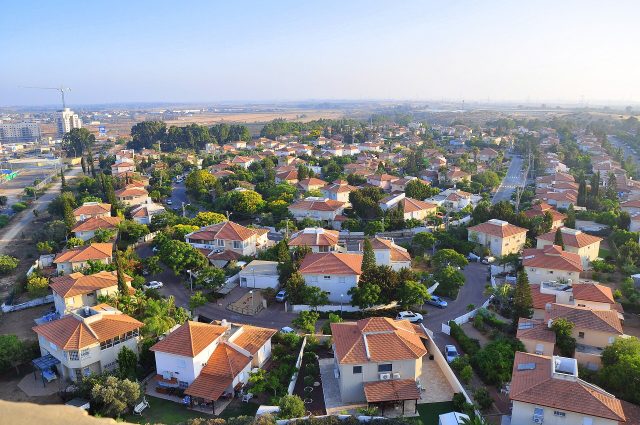
Gan HaNasi Park in Yavne is the kind of place that doesn’t announce itself with fanfare. There are no flashy attractions or crowds of visitors, just open space, quiet, and the sense that time moves a little differently here. Tucked away on the edge of the city, where modern neighborhoods give way to greenery, the park feels more like a large urban garden than a traditional recreational space. Its paved paths eventually turn into winding trails beneath the trees, and it’s this unassuming quality that makes it a favorite among locals—people who come not for spectacle, but for the chance to slow down, whether alone or with family.
The park’s history is woven into the story of Yavne itself. Long before it became a public green space, this land was part of the fertile coastal plain that has drawn settlers for centuries. Archaeological finds suggest it once lay along ancient trade routes, and later, during the Middle Ages, it was used for agriculture. The park as it exists today emerged in the 20th century, when Yavne began its transformation from a small settlement into a growing city. The name Gan HaNasi, meaning "President’s Park," doesn’t refer to any specific head of state but rather follows the Israeli tradition of naming public spaces with a sense of respect and formality.
There’s a quiet charm to the park’s design, which is simple and practical. A central promenade paved with tiles leads to a small amphitheater, where occasional concerts and community events take place. Olive trees, palms, and native shrubs provide shade, their branches swaying in the breeze. Benches line the paths, and a few playgrounds with swings and slides offer spaces for children. What makes Gan HaNasi special isn’t any grand landscaping—there are no artificial lakes or elaborate gardens—but rather its natural, understated atmosphere. It feels like a place that has grown organically, rather than been meticulously planned.
For Yavne’s residents, the park is a daily retreat. In the mornings, you’ll find people jogging along the paths or exercising in the open air. On weekends, families gather for picnics, teenagers hang out on the benches, and older locals play chess or simply watch the world go by. The mood is relaxed, almost familial, as if everyone here understands the unspoken rules of the space. There’s no pressure to perform or entertain—just the quiet rhythm of life unfolding at its own pace.
In a country where summers can be relentlessly hot and dry, green spaces like Gan HaNasi are more than just pleasant—they’re essential. The park offers a rare patch of nature within the city limits, a place to escape the concrete and heat. But it’s also a social hub, where people of all ages and backgrounds can coexist without getting in each other’s way. There are no strict regulations here, just a shared understanding of how to make the space work for everyone. It’s a microcosm of the city itself: unpretentious, functional, and welcoming.
Yavne may not be a tourist hotspot, but its history runs deep. The city is mentioned in biblical texts as the place where the Sanhedrin, the supreme Jewish council, reconvened after the destruction of the Second Temple. In the Middle Ages, it was an Arab village, and in the 20th century, it became one of the first destinations for new immigrants to Israel. Today, Yavne is a modern, expanding city, but traces of its past linger in places like Gan HaNasi, where the land itself seems to carry the weight of history. The park doesn’t shout about its significance, but it’s there in the quiet rustle of the trees and the way the light filters through the leaves.
What makes Gan HaNasi so appealing is precisely what it lacks: the need to impress. There’s no grand monument to photograph, no guided tour to follow. You can come here, sit on a bench, listen to the birds, and feel the pulse of a small Israeli city. It’s less about the place itself and more about the feeling it evokes—stillness, the shade of green canopies overhead, the faintest breeze reminding you that sometimes the best way to rest is to simply stop rushing.
For visitors staying in Yavne for more than a day, the park can be a good starting point for exploring the city. Its paths lead naturally into the surrounding neighborhoods, where you can see how people live in this part of Israel. There are no tourist traps here, no vendors pushing souvenirs—just the everyday reality of the place. Gan HaNasi reflects that authenticity. It’s a space where you can sense the rhythm of the city without the distractions of spectacle.
In the end, Gan HaNasi isn’t a park that tries to dazzle. It doesn’t tell dramatic stories or showcase architectural marvels, but it offers something just as valuable: a glimpse into the life of this corner of Israel. And perhaps that’s its greatest strength. It doesn’t need to be extraordinary to leave an impression—it just needs to be real.