Gamji Park is one of those quiet, unassuming places that feels like a secret tucked away in the heart of Kaduna. It’s not the kind of spot that makes headlines or draws crowds from across the world, but for those who stumble upon it—or seek it out deliberately—it offers a rare moment of calm in a city that moves at its own relentless pace. The park sits along the banks of the Kaduna River, a stretch of water that has shaped the life of the city for generations. Here, the river is wide and slow-moving, its surface reflecting the shifting light of the Nigerian sky, whether it’s the soft gold of early morning or the deep, hazy blue of late afternoon.
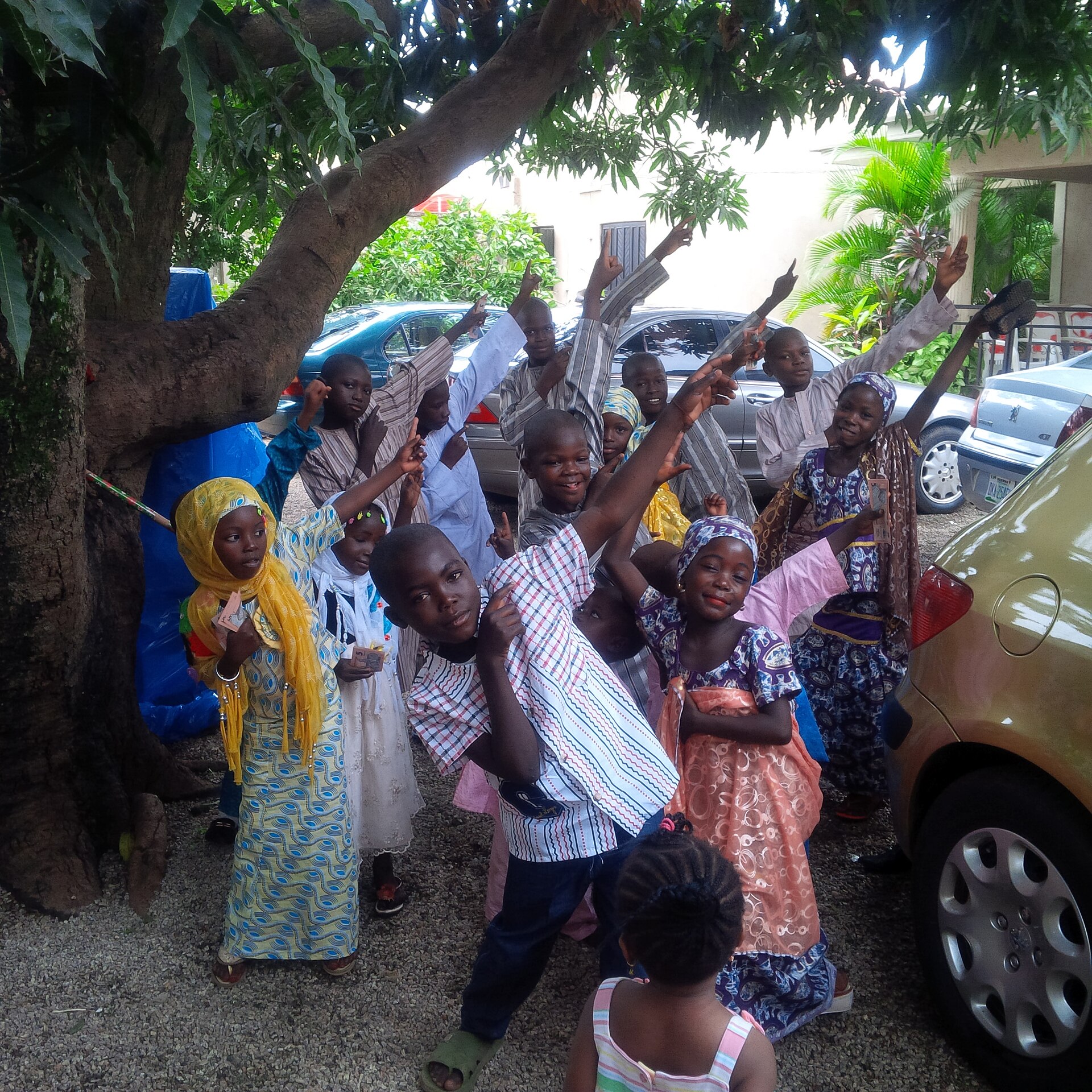
The park itself is a mix of open spaces and shaded corners, where the trees—some towering and ancient, others younger and more slender—create a natural canopy. There’s no grand design or elaborate landscaping, just the kind of organic growth that comes from years of people coming and going, leaving their mark in small ways. Benches are scattered along the paths, some facing the river, others tucked beneath the branches of mango or neem trees. On weekends, families gather here, spreading out blankets for picnics, while children dart between the trees or play near the water’s edge. During the week, the park is quieter, frequented by students with books, office workers taking a break from the heat, or elderly men engaged in long, unhurried games of draughts.
What makes Gamji Park feel distinct is its sense of timelessness. Kaduna has changed dramatically over the decades—from a colonial railway town to a bustling commercial hub—but the park has remained a constant. It was established in the mid-20th century, a time when the city was expanding rapidly, and green spaces were seen as essential to urban life. Back then, Kaduna was a key stop on the railway line that connected Lagos to Kano, and the park was meant to be a place where travelers and locals alike could pause and breathe. The name "Gamji" itself is said to come from the Hausa word for "gathering," a nod to its role as a meeting point for people from all walks of life.
The architecture in and around the park is modest but telling. The old railway station, just a short walk away, still stands as a reminder of Kaduna’s past, its low-slung buildings and arched windows harking back to an era when the city was a vital link in British colonial infrastructure. Nearby, the streets are lined with a mix of older, single-story houses and newer, more modern structures, reflecting the city’s layered history. The park doesn’t have any grand monuments or statues, but if you look closely, you’ll notice small details—a weathered plaque here, a faded mural there—that hint at its place in the city’s story.
One of the most striking things about Gamji Park is how it bridges the gap between the natural and the urban. The Kaduna River is the park’s defining feature, and it’s impossible to spend time here without feeling its presence. The water moves lazily, carrying with it the sounds of the city—the distant hum of traffic, the occasional call of a vendor, the laughter of children playing. But there’s also a sense of wildness to it. The riverbanks are lined with reeds and grasses, and if you’re lucky, you might spot a heron standing motionless in the shallows or a kingfisher darting between the branches. The park isn’t a pristine wilderness, but it’s a reminder that nature persists, even in the middle of a growing city.
For many in Kaduna, Gamji Park is simply part of the fabric of daily life. It’s where teenagers come to escape the watchful eyes of parents, where lovers steal quiet moments on a bench, where old friends reconnect over shared memories. There’s no fanfare or spectacle here, just the quiet rhythm of people going about their lives. In a city that can feel overwhelming at times—with its busy markets, crowded streets, and the constant buzz of activity—the park offers a counterpoint, a place to slow down and simply be.
The seasons bring subtle changes to Gamji Park. During the dry season, the air is filled with dust, and the grass turns a pale, golden brown. The river shrinks slightly, revealing more of its banks, and the trees shed some of their leaves, casting dappled shadows on the ground. When the rains come, everything is transformed. The park turns lush and green, the river swells, and the air is thick with the scent of wet earth. The paths can get muddy, and the benches might be damp, but there’s something invigorating about the way the park comes alive in the rain.
There’s no grand narrative to Gamji Park, no single story that defines it. Instead, it’s a place shaped by countless small moments—the laughter of children, the rustle of leaves in the wind, the quiet conversations between strangers who end up sitting side by side on a bench. It’s not a destination in the traditional sense, but that’s part of its charm. In a world where so many places are packaged and sold as experiences, Gamji Park remains refreshingly ordinary. And perhaps that’s why it feels so special. It’s a place where the city’s past and present coexist, where nature and urban life intertwine, and where anyone can find a moment of peace, if only for a little while.