
Kaduna
Nigeria · 5 places
Photo: Jula2812, CC BY-SA 4.0
Kaduna is a city that doesn’t reveal itself at first glance. Stretching across northern Nigeria, where the savanna slowly gives way to drier landscapes, it carries a quiet weight of history in its streets. Unlike the bustling southern metropolises, Kaduna moves at its own pace—no towering skyscrapers, just wide, tree-lined avenues and an atmosphere where the traditions of the Hausa, Fulani, and other local communities blend seamlessly. Founded in the early 20th century as a colonial administrative hub, the city still bears traces of its past in its low red-brick buildings, open squares, and old railway lines, a reminder of its role as a once-vital transport junction.
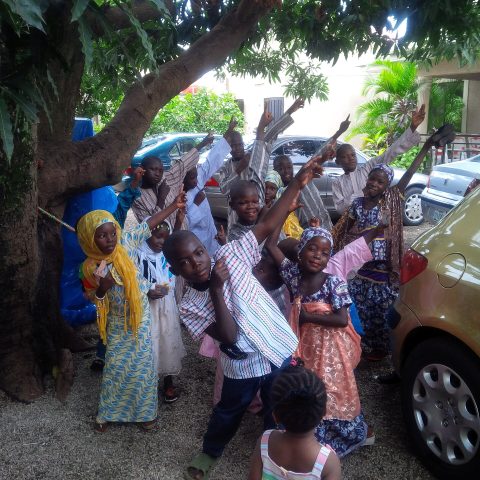
Today, Kaduna is a place where the old and the new coexist without fuss. In the city center, women in vibrant traditional fabrics sell fresh fruit and spices at bustling markets, while nearby, students and young professionals in jeans and T-shirts hurry between cafes and offices. The presence of several universities, including one of Nigeria’s oldest, gives the city a youthful energy. Locals are generally warm and open, though it’s worth remembering that Kaduna is predominantly Muslim, and some customs may feel unfamiliar to outsiders.
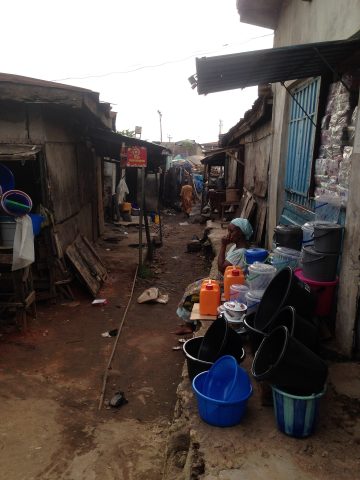
The city’s market is where Kaduna truly comes alive. More than just a place to shop, it’s a social hub where the rhythm of daily life plays out in full color. Stalls overflow with everything from handwoven textiles and leather goods to exotic fruits and local delicacies like dried insects or fiery peanut-based sauces. Artisans craft intricate woodwork, metalware, and leather items, offering unique souvenirs for those willing to explore. The market hums from dawn till dusk, and even if you’re not buying, wandering its maze-like alleys is an experience in itself.
Beyond the city, nature offers a striking contrast. The surrounding area is home to wildlife reserves and parks, where rare species still roam. Kamuku National Park, one of the most notable, is said to shelter elephants, giraffes, and even lions, though sightings are rare. For a quieter escape, the Kaduna River—from which the city takes its name—flows wide and slow, its banks lined with dense greenery. A walk along its shores feels like stepping into another world, far from the city’s pulse.
Kaduna hasn’t always been an easy place. In recent decades, it has seen its share of ethnic and religious tensions, leaving scars on its landscape and people. Yet today, the city feels calmer, with efforts underway to improve safety and draw visitors. Those who do come often remark on its authenticity—there are no crowds of tourists here, no performances for outsiders. Life moves to its own beat, unapologetically local. Kaduna isn’t a city to be seen; it’s one to be felt.
See & Do
All of them

Places on the map
Marker colour follows the categoryClimate and weather
Detailed weather: Kaduna- Average temperature
- 25 °C
- Precipitation per year
- 820 mm
Average air temperature
°C
24
25
29
29
28
25
24
23
24
25
25
24
Jan
Feb
Mar
Apr
May
Jun
Jul
Aug
Sep
Oct
Nov
Dec


