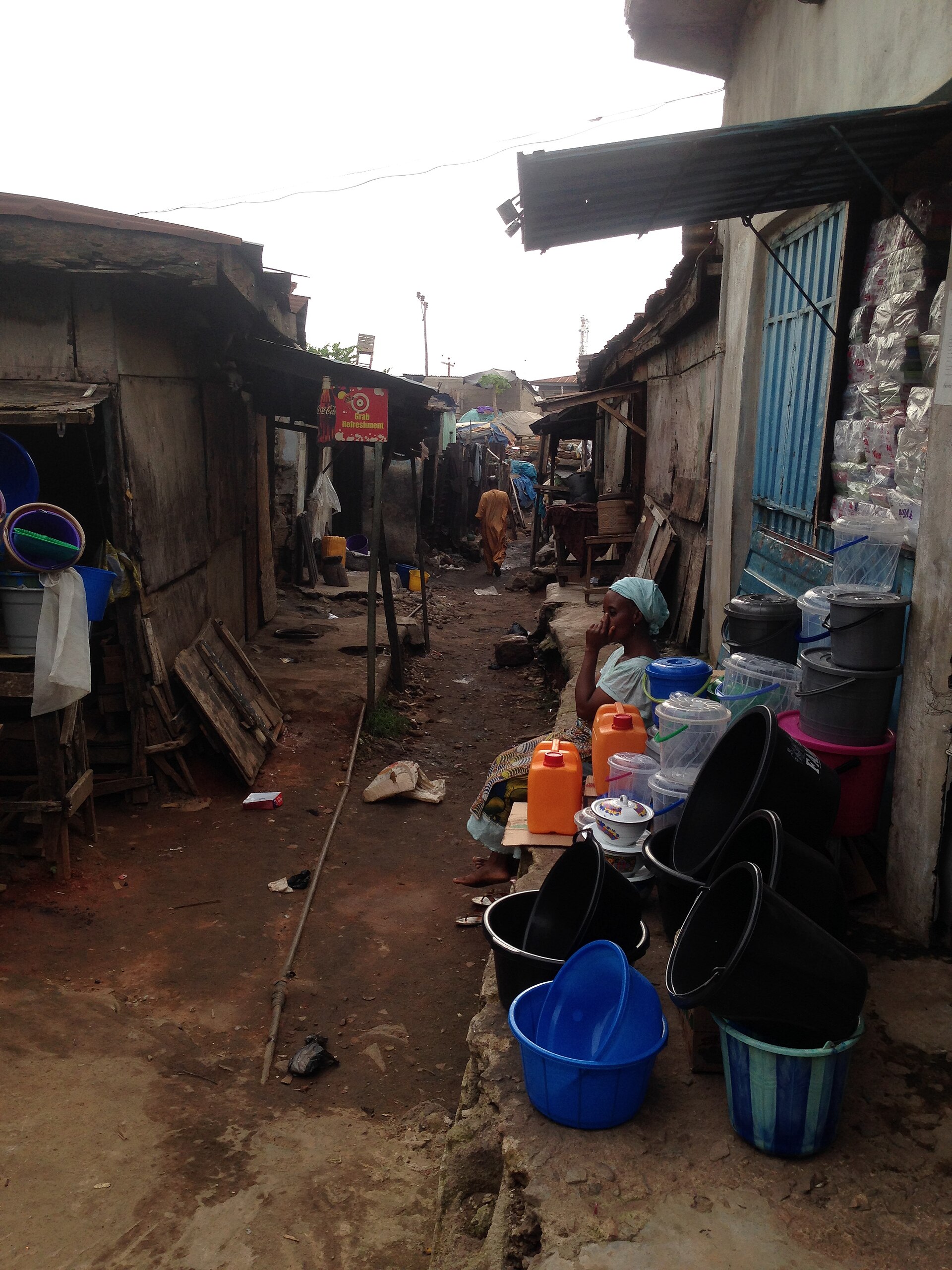
Kaduna’s Central Market is one of those places where the city’s pulse beats strongest. It’s not just a marketplace—it’s a living, breathing part of daily life, where the past and present collide in a whirl of color, sound, and movement. If you want to understand Kaduna beyond its streets and buildings, this is where you’ll find its soul.
The market has been around for decades, though its exact origins are hard to pin down. What started as a modest trading post grew alongside the city itself, expanding as Kaduna became a key commercial hub in northern Nigeria. Over time, it absorbed the rhythms of the region—Hausa traders, Fulani herders, and merchants from across West Africa all left their mark. Today, it sprawls across a vast area, a maze of stalls and alleys where every corner tells a different story.
Walking through the market is an assault on the senses in the best possible way. The air is thick with the scent of spices—dried ginger, cloves, and the sharp tang of suya spice—mixed with the earthy aroma of grains and the occasional whiff of fresh produce. Vendors call out prices in Hausa, English, and a handful of other languages, their voices rising above the hum of generators and the clatter of metal bowls. It’s chaotic, but there’s a rhythm to it, a kind of organized madness that locals navigate with ease.
The market is divided into sections, each dedicated to a different kind of trade. The cloth section is a riot of color, with bolts of Ankara fabric stacked high, their patterns ranging from bold geometric designs to delicate floral prints. Nearby, tailors sit at sewing machines, turning these fabrics into garments on the spot. The food section is another world entirely—mounds of tomatoes, onions, and peppers spill onto the ground, while women in bright wrappers deftly weigh out portions of rice, beans, and millet. If you’re lucky, you might stumble upon a stall selling fresh *kilishi*, the spicy dried beef that’s a specialty of the north.
Then there’s the livestock section, where goats bleat and chickens squawk in cages, their owners haggling over prices with practiced ease. It’s a reminder of the market’s deep roots in the region’s agricultural traditions. For many, this isn’t just commerce—it’s a way of life. Farmers from surrounding villages bring their goods here, and the market serves as a vital link between rural and urban Nigeria.
The architecture of the market is as functional as it is unassuming. Most of the stalls are simple structures made of wood and corrugated metal, designed to withstand the elements rather than impress. Yet there’s a certain beauty in their utilitarian design, in the way the light filters through gaps in the roof or how the shadows play across the worn surfaces. Some areas are covered, offering respite from the sun, while others are open to the sky, letting the breeze carry away the heat.
What makes Kaduna’s Central Market special isn’t just what’s sold here, but how it’s sold. There’s a sense of community that permeates the place, a shared understanding between buyers and sellers that goes beyond transactions. A woman bargaining for vegetables might pause to ask after a neighbor’s family, or a trader might offer a cup of *zobo* to a regular customer. It’s these small moments that give the market its warmth.
Of course, it’s not always easy for outsiders. The sheer scale of the market can be overwhelming, and navigating its labyrinthine alleys takes time. But those who take the plunge are rewarded with a glimpse into the heart of Kaduna. It’s a place where history is alive in the way people trade, where tradition and modernity coexist in the same space, and where every visit feels like uncovering a new layer of the city.
If you’re in Kaduna, the Central Market isn’t just a place to shop—it’s an experience. Whether you’re there for the fabrics, the food, or simply the atmosphere, it’s a reminder of why markets like this endure. They’re not just about commerce; they’re about connection, about the stories that unfold in the spaces between stalls. And in a city as dynamic as Kaduna, those stories are worth hearing.