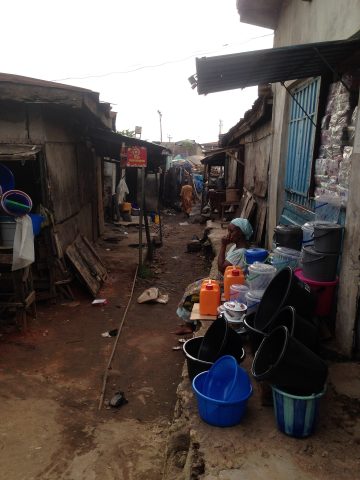
The National Museum in Kaduna is one of those rare places where Nigeria’s history doesn’t just sit behind glass—it breathes. The city itself is a quiet witness to the layers of time, from its days as a colonial outpost to its role as a crossroads of trade and culture in northern Nigeria. Kaduna was never just another dot on the map; it was a place where ideas, goods, and people converged, shaping the region’s identity. The museum isn’t an attempt to freeze that past in place but to show how it still ripples into the present.
The building doesn’t demand attention. There’s no grand facade or imposing architecture, just an unassuming structure that invites you to step inside and look closer. The layout is thoughtful, guiding visitors through different eras without rigid chronology. One moment you’re standing before artifacts from ancient kingdoms, the next you’re confronted with the complexities of colonial rule or the struggles of independence. The exhibits don’t just tell a story—they let you feel the weight of it, the way each object carries its own piece of the past.
A significant part of the museum is dedicated to the Hausa people and other northern Nigerian cultures. Pottery, textiles, jewelry, and everyday tools reveal how traditions were woven into daily life, passed down through generations. Some items look almost new, as if they were still in use yesterday, while others show the marks of time—faded dyes, worn edges, the subtle changes brought by outside influences. Nearby, you’ll find objects that reflect the arrival of Islam and European traders, creating a quiet dialogue between old and new.
The craftsmanship on display is particularly striking. Tools used by local artisans sit alongside their finished work: intricately carved wooden masks, delicate metal jewelry, and fabrics patterned with symbols that have meaning beyond mere decoration. Some of these techniques are still alive in nearby villages, and the museum occasionally hosts workshops where visitors can try their hand at traditional crafts. It’s not just about watching—it’s about understanding the skill and patience behind each piece, the way a single object can hold generations of knowledge.
But the museum isn’t stuck in the past. There are exhibits that bridge into modern Nigeria, with photographs, documents, and artifacts that speak to the country’s political and social evolution. These displays serve as a reminder that history isn’t a closed book—it’s something that’s still being written. Temporary exhibitions by local artists or lectures on cultural topics turn the museum into more than just a repository of objects; it becomes a space for conversation, where the past meets the present in unexpected ways.
Kaduna is a city of overlapping identities, where different cultures and religions have coexisted for centuries, and the museum reflects that complexity. There’s no single narrative here, just a tapestry of stories that sometimes intersect and sometimes run parallel. In one room, you might find traditional African masks; in the next, artifacts tied to Christianity or Islam, brought by missionaries and traders. The effect is one of layered voices, much like Nigeria itself—a place where history isn’t monolithic but a living, breathing thing.
Visiting the museum isn’t just about learning facts; it’s about asking questions. How did people live in these different eras? What values shaped their world? How did their understanding of themselves and their place in the world change over time? The answers aren’t always obvious, but the search for them makes the experience richer. There’s no rush here, no pressure to move quickly from one exhibit to the next. The museum encourages you to linger, to read the descriptions, to let the objects speak in their own way.
Kaduna isn’t a typical tourist destination, and the museum isn’t a place you stumble upon by accident. It’s for those who want to dig deeper, to see Nigeria beyond the surface. There are no crowds, no guided tours rushing you along—just the quiet hum of history waiting to be discovered. You might spend an hour here or half a day, depending on how much you want to take in. In a way, the museum feels like a refuge, a place to step away from the noise of the city and lose yourself in the stories of those who came before.
When you leave, Kaduna doesn’t feel like just another stop on a map. It’s a city with a pulse, where history isn’t confined to books or museums but lives in the streets, in the people, in the way the past and present coexist. The museum doesn’t claim to be the most important cultural site in Nigeria, and that’s part of its charm. It’s not trying to impress; it’s simply preserving the threads of history, keeping them alive for anyone willing to listen.