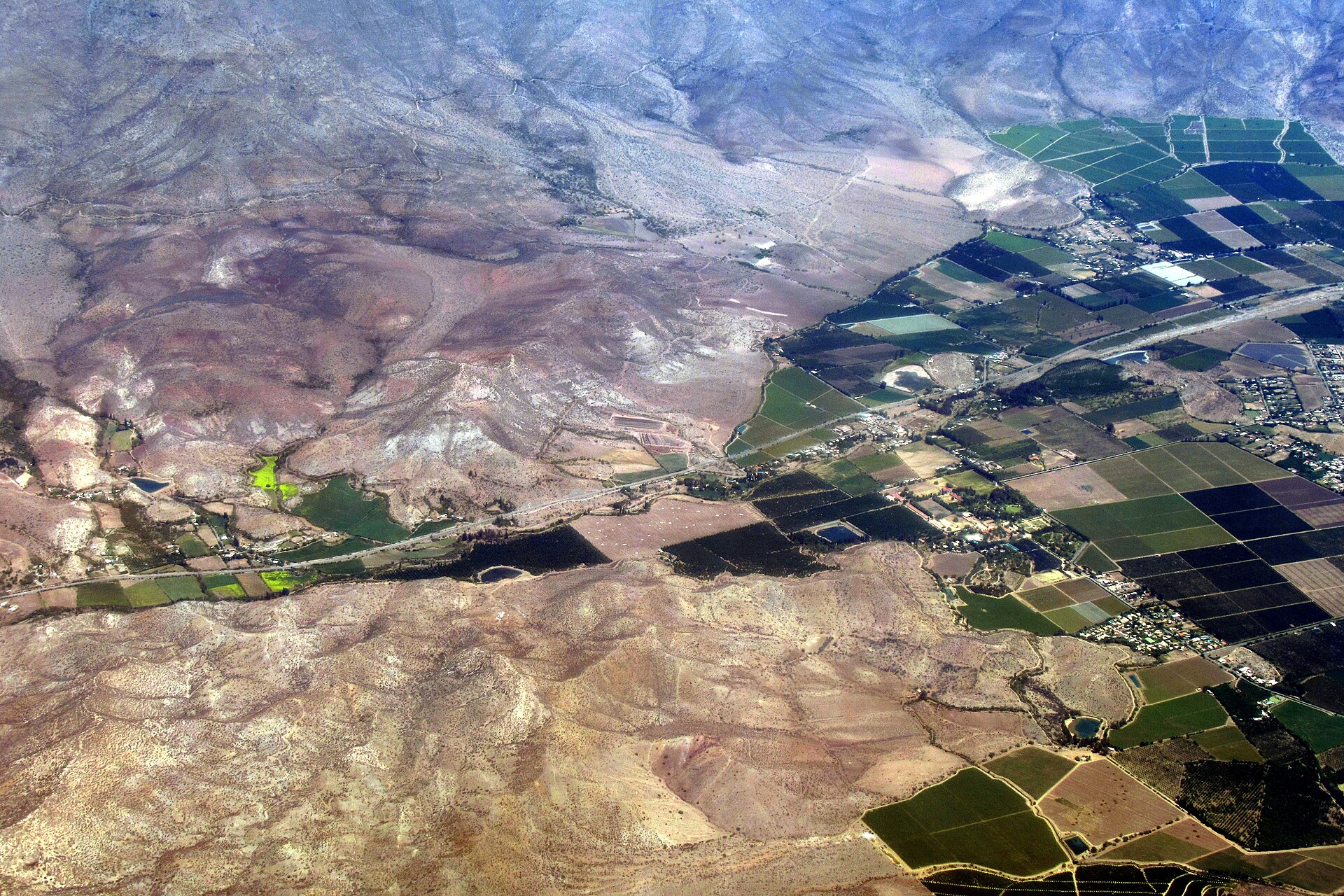
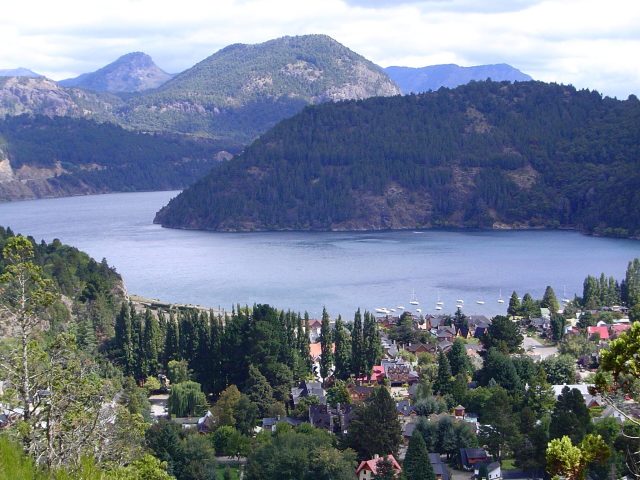
El Algarrobo Park sits in the foothills of the Andes outside Los Andes, a Chilean town that rarely appears on tourist maps. It’s small, but size doesn’t matter—what matters is the ease it offers, a place to spend a few hours away from noise.
The park is named after the algarrobo trees that grow here. These trees, with their wide canopies, provide shade on hot days. In Chile’s arid central regions, water is precious, and shade is a luxury. In the park, the trees grow freely, untamed, as if they’ve always been here.
El Algarrobo isn’t a formal garden or an amusement park. There are no rides, cafes, or souvenir stands. Instead, you’ll find winding paths between the trees, benches scattered without order, and open spaces where families picnic. Locals bring thermoses of tea or mate, sometimes with their dogs. On weekends, the park feels livelier, but it never gets crowded—just familiar, as if everyone knows each other.
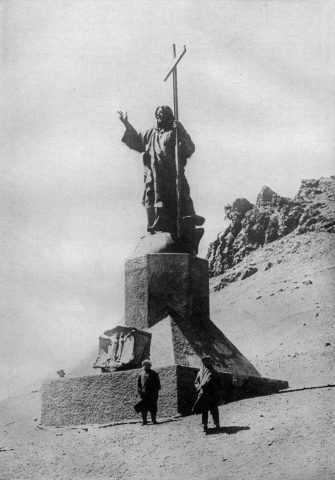
The park’s history is tied to Los Andes. The town began as a stopover between Santiago and Mendoza in Argentina, valued for its location. El Algarrobo came later, when residents wanted a place to walk and relax. No one knows the exact date it was founded—it developed naturally, shaped by people’s needs.
There’s little architecture here. A few stone arches at the entrance, small bridges over seasonal streams, and a simple gazebo in the center. They don’t stand out; they blend into the landscape. The lighting is understated—just enough to guide you after dark.
What makes El Algarrobo special? It doesn’t try to be anything more than what it is. Sit on a bench and watch children play while older visitors feed pigeons. Walk the paths, breathe in the scent of dry grass and algarrobo leaves, or lie on the grass and watch clouds drift over the Andes. There’s no schedule, no set route, no rules beyond common sense.
For visitors, the park shows how locals live when no one’s watching. No tour groups, no guides, no ticket lines. Just a quiet corner where time moves slower and the city feels far away. That’s why it’s rarely in guidebooks—it’s not for those seeking grand experiences, but for those who want to feel the rhythm of a small Chilean town.
The park changes with the seasons. In summer, the heat makes the shade of the trees necessary, and the air carries the warm scent of sunbaked leaves. Autumn turns the algarrobo foliage golden, though the trees never shed all their leaves. Winter brings cool weather, and occasional rains fill the streams that dry up by spring. When spring arrives, the park comes alive—grass turns green, birds return, and locals spend more time here.
El Algarrobo asks nothing of its visitors except the desire to be present. No need to take photos or rush. You can sit on a bench and watch the sunset paint the sky behind the mountains. Or bring a book, find a quiet spot under a tree, and lose yourself in the silence. The park doesn’t impose rules—it simply exists.