The Municipal Theatre of Los Andes is the kind of place that quietly becomes part of a city’s rhythm, never demanding attention but carrying within its walls the echoes of the past and a quiet pride in its role in local culture. Tucked away in the heart of this Chilean town, it doesn’t have the grandeur of Santiago’s opera houses or the pomp of the capital’s concert halls. It’s more modest than that, but no less meaningful. Here, history blends with everyday life, and the architecture tells a story of changing tastes and needs over the decades.
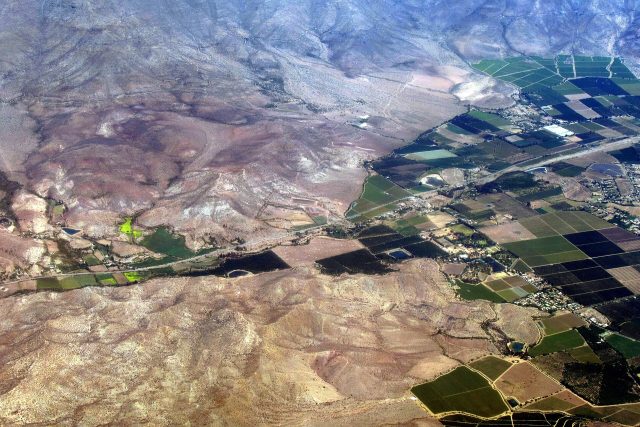
The theatre first opened its doors in the early 20th century, a time when Los Andes was flourishing thanks to the growth of the railway and trade. The town, nestled at the foot of the Andes, was a vital link between central Chile and Argentina, a place where goods, ideas, fashion, and art flowed through. The theatre became a symbol of this new era—a space where locals could step away from their daily routines to see traveling performers, listen to music, or watch a play. Back then, as now, it wasn’t just about entertainment; it was a way to feel connected to something larger than oneself.
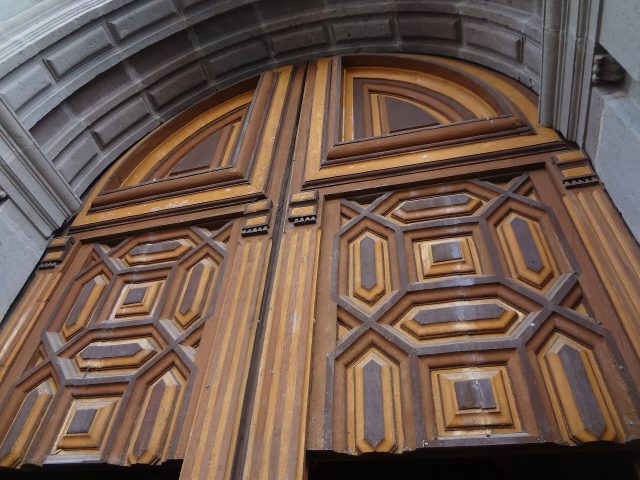
The building’s architecture is typical of public spaces from that time: a neoclassical facade, high ceilings, large windows that let in natural light, and a spacious auditorium with a balcony. From the outside, it’s unassuming, but inside, details like the plasterwork on the ceiling, the wooden panels, and the vintage light fixtures reveal its age. Time has left its mark, but it hasn’t erased the sense of warmth and intimacy. The theatre was never meant to be vast; its auditorium holds just a few hundred people, creating a closeness between the stage and the audience that larger venues can’t replicate.
Over the years, the theatre has seen its share of ups and downs. There were times of prosperity, when well-known artists performed here, and periods of decline, when the building fell into disrepair. By the mid-20th century, with the rise of cinema and television, interest in live performances waned, and many similar venues closed or were repurposed. The Municipal Theatre of Los Andes nearly met the same fate, but thanks to the efforts of local authorities and cultural advocates, it was saved. Today, it operates as a cultural center once again, though not with the same bustling energy as in its heyday.
Now, the theatre hosts more than just plays and concerts. Lectures, exhibitions, and festivals featuring local artists and musicians take place here, making it a space for experimentation. One night, you might catch an avant-garde performance; the next, a traditional Chilean folk dance or a concert by a local band. It’s a place where different eras and styles coexist, where young artists get a chance to showcase their work, and where audiences can discover something unexpected. In this way, the theatre continues to serve its original purpose: bridging the gap between past and present, between the culture of the capital and the life of the provinces.
Los Andes is often seen as little more than a stopover on the way to the mountains or the Argentine border. Tourists pause here to rest before continuing their journey, but few linger. Yet those who take the time to visit the Municipal Theatre discover another side of the town. There are no crowds, no hustle, no pushy service—just the quiet of old walls, the scent of wood and fabric, and the feeling that time moves a little slower here. That might be why the theatre is so cherished by locals: it reminds them that culture doesn’t need to be loud or flashy to matter.
In recent years, Chile has seen a growing interest in preserving its historical heritage, and the Municipal Theatre of Los Andes is a prime example of how an old building can be given new life without losing its soul. Instead of turning it into a modern entertainment complex with bright lights and cutting-edge technology, the theatre was carefully restored, preserving what could be saved while adapting the space to contemporary needs. The result is a place that remains true to itself—a space where history isn’t just a museum exhibit but a living part of the city’s fabric.
Visiting the theatre isn’t just about catching a show or a concert; it’s about soaking in the atmosphere. Walking through the foyer, stepping into the empty auditorium, running your fingers along the wooden banisters that hundreds of people have touched over the years—these small moments connect you to the past. There are no signs telling you what you can’t do, no stern guards watching your every move. The theatre is open to anyone who wants to sit in one of the seats and imagine what it was like a century ago: the music that filled the air, the voices that echoed through the hall, the stories that unfolded on the stage. That’s where its real value lies—not in grand architecture or famous names, but in its ability to hold onto the memories of people and time.