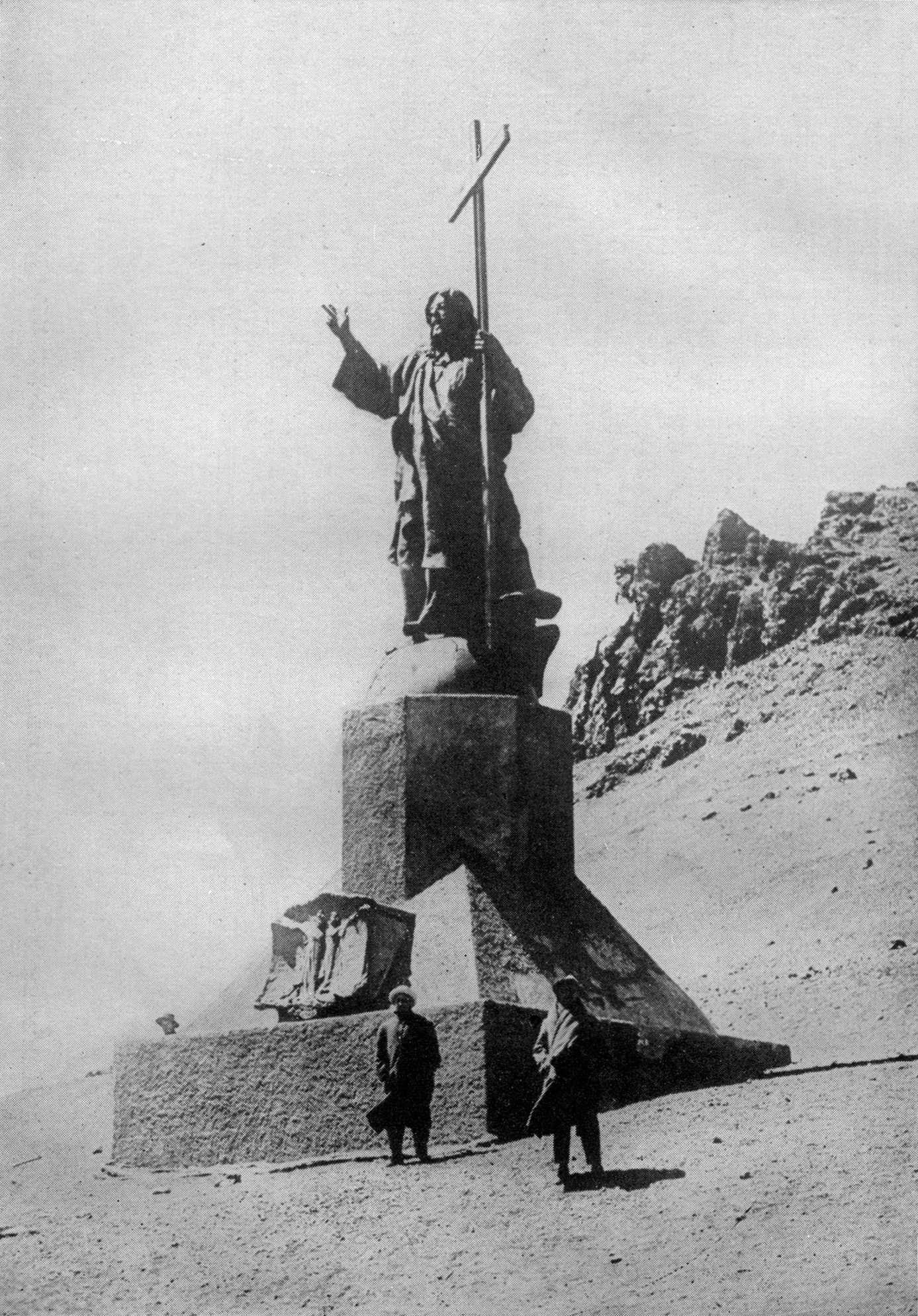
High in the Andes, where the air thins and the horizon stretches endlessly, the Christ of the Andes stands as a quiet witness to history. This bronze figure, arms outstretched over the border between Chile and Argentina, is more than a monument—it’s a promise carved into stone and metal, a reminder that even the deepest divides can be bridged. Perched on the Bermejo Pass at over three thousand meters, the statue overlooks a landscape where the earth feels raw and untamed, where the wind carries the weight of centuries.
The idea for the monument took root in the early 1900s, a time when Chile and Argentina stood on the brink of war over disputed territories. Tensions ran high, and the prospect of armed conflict loomed large. Yet through diplomacy and the intervention of the Vatican, the two nations found a way forward. The Christ of the Andes was unveiled in 1904, not as a victory for one side, but as a shared symbol of peace. Its presence on the pass was deliberate—a neutral ground where neither country could claim ownership, yet both could find meaning.
The statue itself is unassuming in its design. Standing seven meters tall, with a base that brings the total height to nearly twenty, it was cast in bronze and placed on a sturdy stone pedestal. The figure faces north, its arms open as if embracing the land below. There’s no intricate detailing, no dramatic flourishes—just a simple, enduring form that stands out against the jagged peaks. At dusk, when the sun dips behind the mountains, the statue’s shadow stretches long across the pass, a fleeting silhouette that seems to merge with the landscape itself. A small viewing platform surrounds the base, offering a place to pause and take in the vastness of the surroundings.
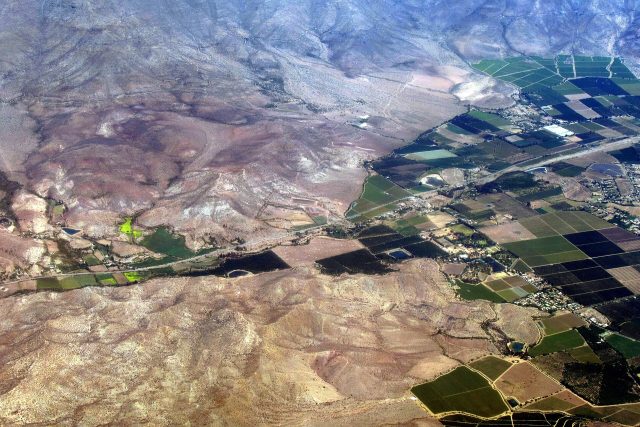
Reaching the Christ of the Andes is part of the experience. The journey begins in Los Andes, a town nestled in the foothills, where the road winds upward through valleys and over ridges. The drive is slow, the route demanding, especially in winter when snow and ice turn the path treacherous. Along the way, small villages offer respite—places to rest, to eat, to share a meal of empanadas or grilled meat with locals who know the mountains as well as their own backyards. The higher you climb, the more the world below seems to shrink, until all that remains are the peaks, the sky, and the road ahead.
The Bermejo Pass is a place of stark beauty. Here, the land is stripped down to its essence—rock, snow, and wind. Vegetation is sparse, clinging to life in the cracks of the earth, while the air grows thinner with every step. Some visitors feel the altitude immediately, a lightness in the chest that serves as a reminder of how small we are in the face of nature. On clear days, the view is breathtaking, the mountains unfolding in every direction like the pages of an ancient book. When clouds roll in, the statue seems to float above them, a solitary figure suspended between heaven and earth.
For many, the Christ of the Andes is a place of reflection. Pilgrims and travelers alike make the journey, some to honor the history of reconciliation between Chile and Argentina, others simply to stand in the silence and let the wind carry away their thoughts. On certain days, small gatherings form at the base of the statue—locals, visitors from across the border, a few words spoken, a moment of shared quiet. There are no crowds here, no noise, just the occasional rustle of clothing against the wind and the distant cry of a bird circling the peaks.
The monument has seen its share of history. It has weathered earthquakes and avalanches, standing firm while the world around it shifted. In the mid-20th century, when tensions between Chile and Argentina flared once more, the statue served as a silent testament to the possibility of peace. Today, it remains a fixture in the landscape, a piece of the region’s identity that transcends politics. The road that leads to it continues beyond the pass, winding into Argentina’s Mendoza province, famous for its vineyards, or toward Chile’s Aconcagua Valley, home to the highest peak in the Americas. Some travelers linger in Los Andes, a town where colonial architecture and mountain rhythms blend into a slower, quieter way of life.
There’s a peculiar feeling that lingers after visiting the Christ of the Andes—something between awe and melancholy. The awe comes from the sheer scale of the place, the way the mountains dwarf everything, including the monument itself. The melancholy, perhaps, stems from the knowledge that even here, in a place so removed from the chaos of the world, peace is never guaranteed. Yet that’s precisely why the statue endures. It doesn’t solve conflicts or erase borders, but it offers a moment of stillness, a chance to remember that beyond the arguments and divisions, there is something larger—a shared sky, a shared earth, a shared history.