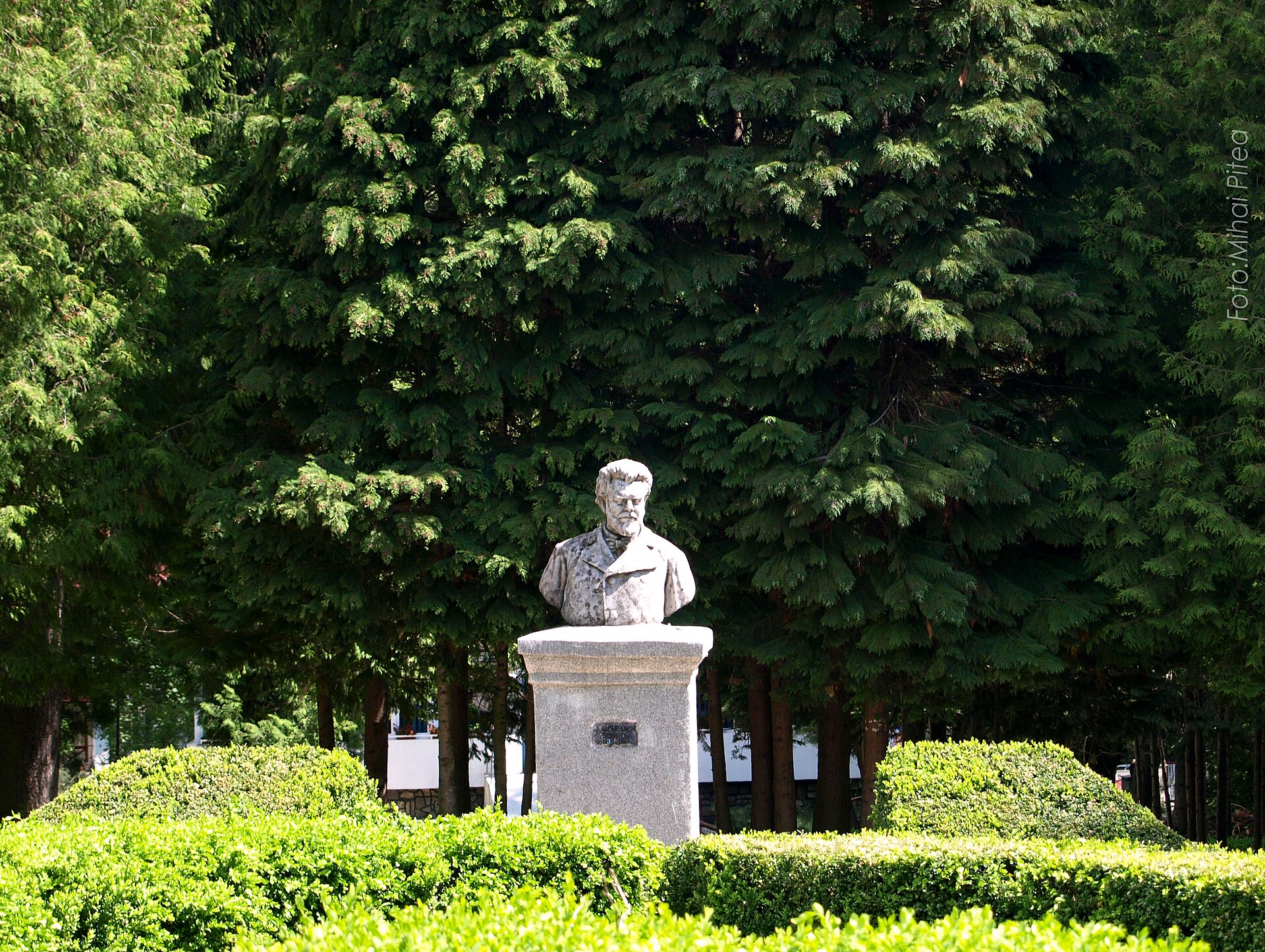
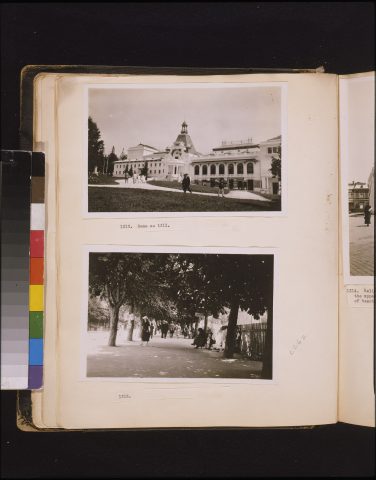
Dimitrie Ghica Park is one of those places that doesn’t announce itself. Tucked into the Carpathian foothills above Sinaia, it unfolds quietly, as if inviting you to leave the noise of the world behind. The air here carries the scent of pine and damp earth, and the only sounds are the rustle of leaves, the murmur of a stream, or the occasional call of a bird. There are no grand entrances, no crowds, no signs pointing you toward the next attraction. Instead, the park feels like a natural extension of the landscape, a place where the mountains and the forest dictate the rhythm of the day.
The history of the park is inseparable from the story of Sinaia itself. In the 19th century, this was little more than a cluster of shepherds’ huts and a small monastery, a quiet corner of the mountains where time moved slowly. Then, as Romania began to take shape as a modern nation, Sinaia caught the attention of the country’s elite. Dimitrie Ghica, a statesman and patron of the arts, played a key role in its transformation. Unlike other resort towns that were built to dazzle, Sinaia was meant to soothe. Ghica envisioned a place where nature and refinement could coexist without one overshadowing the other. The park that bears his name reflects that vision. There are no ornate fountains or manicured flowerbeds, just the land as it is—rolling hills, dense forests, and winding paths that feel as if they’ve always been there.
One of the most striking features of the park is its simplicity. The trails meander through ancient beech and fir trees, their branches filtering sunlight into shifting patterns on the forest floor. Wooden benches are scattered along the way, placed just where you’d want to sit and take in the view. Stone bridges cross small streams, their surfaces worn smooth by decades of footsteps. At dusk, old-fashioned lampposts cast a soft glow, just enough to light the path without disturbing the quiet. The real beauty of the park lies in these small, unassuming details—the way the light slants through the trees in the late afternoon, or how the mist clings to the mountains in the morning.
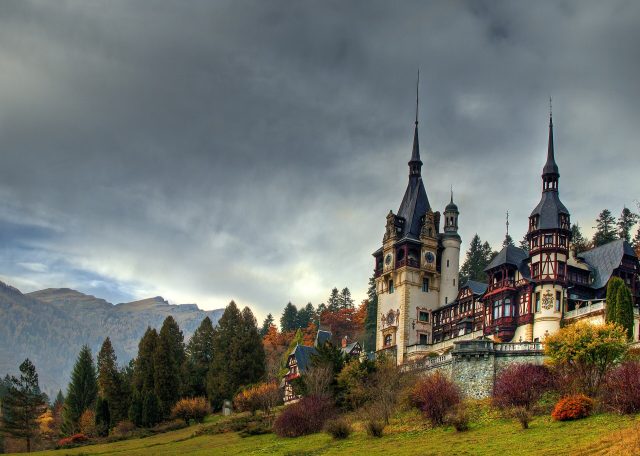
From the viewpoint overlooking the Prahova Valley, the landscape stretches out in layers of green and blue, with the silhouette of Peleș Castle visible in the distance. This view hasn’t changed much since the 19th century, when European aristocrats, writers, and musicians flocked to Sinaia for its fresh air and inspiring scenery. George Enescu, Romania’s most famous composer, is said to have walked these paths, finding inspiration in the stillness of the forest. Today, the park still carries that sense of quiet creativity. Students read on the grass, children play among the trees, and elderly locals gather under the shade to chat or play chess. There’s no pressure to do anything in particular—just the invitation to slow down and let the place work its way into you.
The park changes with the seasons, each one offering a different kind of beauty. In spring, the forest floor comes alive with crocuses and snowdrops, their delicate blooms pushing through the damp earth. Summer brings a lush, green stillness, the thick canopy providing shade from the heat. By autumn, the beech and maple leaves turn shades of gold and crimson, their colors so vivid they seem to glow from within. Winter transforms the park into a quiet, snow-dusted wonderland, the bare branches of the trees etched against the sky like ink on paper. Even if you’re not a fan of the cold, there’s something magical about the way the frost clings to the pine needles or how the early morning light turns the snow a soft, pearly blue.
What makes Dimitrie Ghica Park special is the way it balances wildness and cultivation. It’s not a pristine wilderness, nor is it a rigidly designed garden. Instead, it’s a place where nature is allowed to breathe, but where human presence feels organic. This duality reflects Sinaia’s own character—a town shaped by shepherd traditions, Austro-Hungarian influences, and the tastes of European high society. The park doesn’t try to impress; it simply exists, offering a space where people can slow down and reconnect with something real. There’s no agenda here, no must-see attractions or guided tours. You can spend an afternoon lying on the grass with a book, or wander the paths aimlessly, letting the sound of the wind in the trees guide you.
For locals, the park is more than just a green space—it’s part of daily life. Families come here for picnics, friends meet for walks, and couples stroll along the paths in the evening. In the summer, open-air concerts and art exhibitions bring the community together, while winter sees the park transformed into a festive scene with Christmas markets and twinkling lights. These events feel natural, unforced, as if they’ve always been part of the park’s rhythm. There’s no grand spectacle, no attempt to turn the place into a tourist attraction. That’s probably why it works so well—because it doesn’t try too hard.
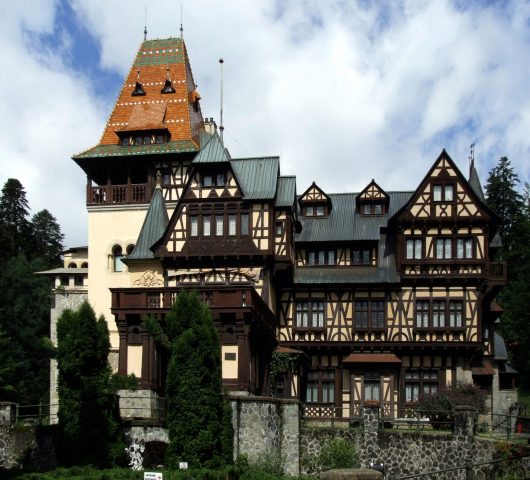
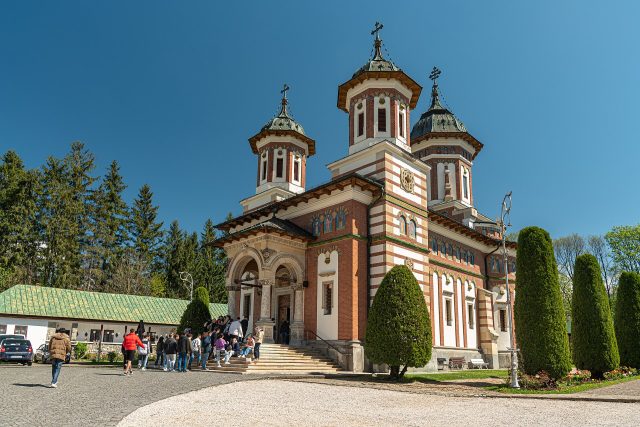
If you visit Sinaia, it’s easy to get caught up in the town’s more famous landmarks, like Peleș Castle or the Sinaia Monastery. But if you want to understand what makes this place special, take some time to explore Dimitrie Ghica Park. Sit on one of the benches and listen to the sound of the stream rushing over the rocks. Watch the way the mist clings to the mountains in the morning, or how the last light of the day catches the leaves. There’s a quiet magic here, a sense of timelessness that lingers long after you’ve left. It’s not the kind of place that shouts for attention, but if you’re willing to listen, it has a way of staying with you.