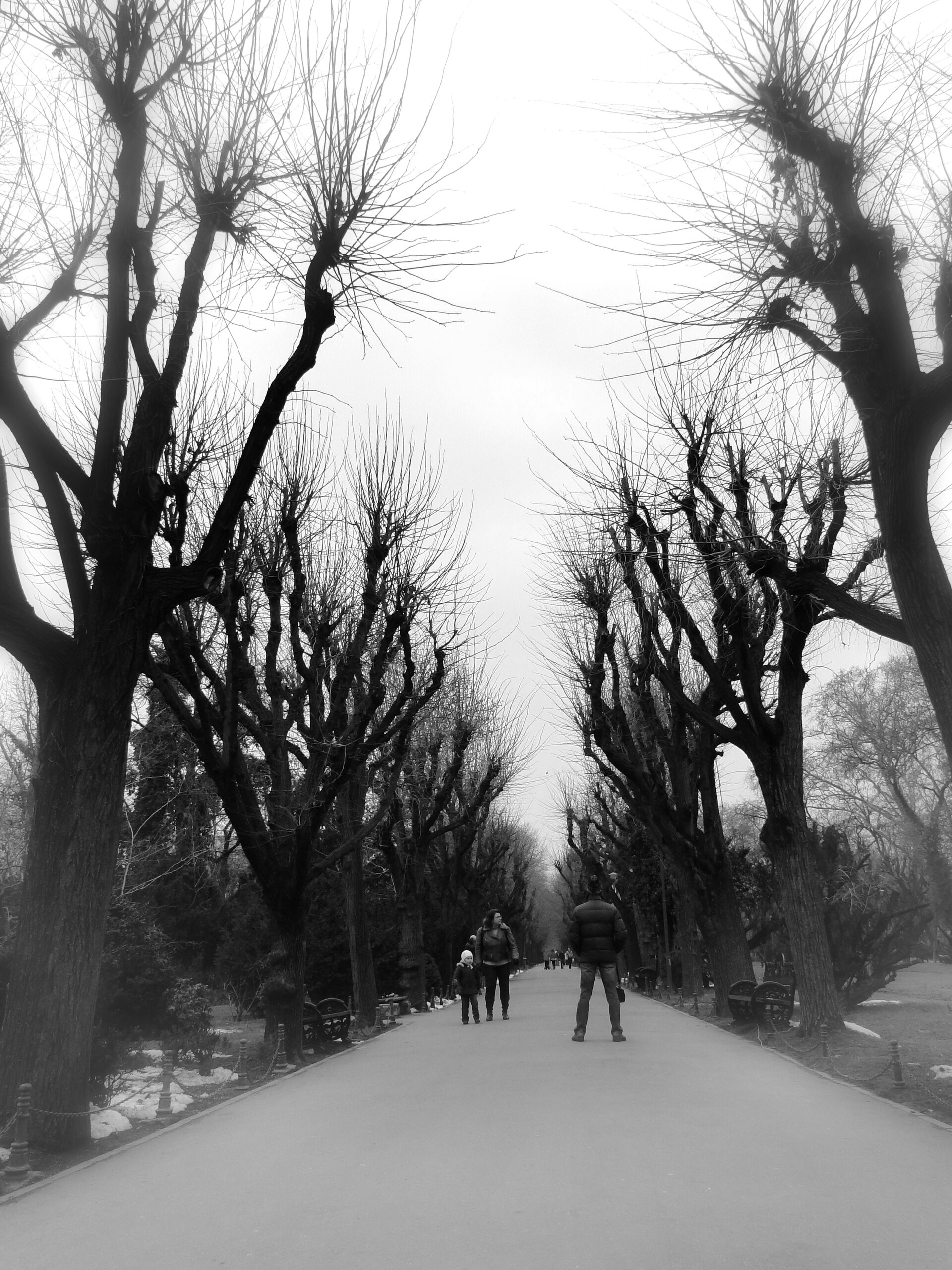
Bucharest’s Cișmigiu Gardens offer a quiet escape in the heart of the city, a place where the rhythm of urban life slows just enough to notice the rustle of leaves or the distant laughter of children playing near the lake. Opened in the mid-19th century, the park is the oldest public garden in the Romanian capital, and its history is woven into the fabric of the city itself. It was designed by the German landscape architect Carl F.W. Meyer, who transformed what was once a marshy area into a carefully planned green space, blending English and French gardening styles. The result is a park that feels both grand and intimate, with wide promenades for strolling and secluded corners where time seems to stand still.
The name Cișmigiu comes from the Turkish word *cișmea*, meaning fountain, a nod to the Ottoman-era water sources that once dotted the area. Before the park existed, this land was part of the vast estates of the Ghica family, one of Romania’s most influential noble dynasties. In the 18th century, the site was known for its natural springs, which supplied water to the growing city. By the 1840s, as Bucharest expanded and modernized, the need for a public park became clear. The city’s leaders envisioned a space where residents could gather, socialize, and enjoy nature—a radical idea at the time, when green spaces were rare in urban Europe.
Walking through Cișmigiu today, it’s easy to imagine the park as it was in its early days. The central lake, surrounded by weeping willows and lined with benches, remains the focal point. In summer, paddleboats glide across the water, while in winter, the lake freezes over, becoming a makeshift ice rink. The park’s layout is symmetrical, with broad alleys radiating from the lake, inviting visitors to wander. One of the most striking features is the Roman Garden, a circular area dedicated to Romania’s Latin heritage, where busts of famous poets and writers—including Mihai Eminescu and Ion Creangă—stand beneath the shade of linden trees. The garden was added in the early 20th century, a time when national identity was a central theme in Romanian culture.
Cișmigiu has always been more than just a park; it’s a stage for the city’s social life. In the late 19th and early 20th centuries, it was a fashionable spot for Bucharest’s elite to see and be seen. Wealthy families would promenade along the main alleys in their finest attire, while musicians played in the bandstand near the lake. The park also hosted political gatherings, literary salons, and even early film screenings. During World War II, when Bucharest was bombed, Cișmigiu became a refuge for those who had lost their homes. The park’s trees and open spaces provided a sense of normalcy amid the chaos, and its role as a place of solace has endured through the decades.
The architecture within the park is subtle but meaningful. The neoclassical-style restaurant near the lake, with its white columns and arched windows, has been a fixture since the 1920s. Though its interior has been renovated over the years, the building retains a timeless elegance, offering a glimpse into the park’s past. Nearby, the small bridge over the lake, adorned with wrought-iron railings, is a favorite spot for photographs. The park’s gates, designed in an ornate style, mark the entrances and add a sense of grandeur to the space. Even the lampposts, with their vintage design, contribute to the park’s old-world charm.
Beyond its aesthetic appeal, Cișmigiu is a living part of Bucharest’s ecosystem. The park is home to a variety of trees, including chestnuts, oaks, and maples, some of which are over a century old. Birdwatchers can spot species like swans, ducks, and even the occasional heron near the lake. In spring, the flowerbeds burst with color, while autumn turns the park into a canvas of reds and golds. The park’s biodiversity is a reminder of how green spaces sustain urban environments, providing a habitat for wildlife and a respite for city dwellers.
For locals, Cișmigiu is a place of routine and ritual. Elderly men gather to play chess under the trees, their games unfolding in silence broken only by the clink of pieces on the board. Young couples walk hand in hand along the lake, while joggers weave through the alleys at dawn. On weekends, families picnic on the grass, and children chase each other around the playground. The park’s ability to adapt to the needs of each generation is part of its enduring appeal. It’s a space that belongs to everyone, regardless of age or background.
Cișmigiu has also witnessed some of Romania’s most pivotal moments. During the 1989 Revolution, the park was a gathering point for protesters, its open spaces offering a sense of safety in numbers. In the decades since, it has been a site for celebrations, from New Year’s Eve fireworks to cultural festivals. The park’s resilience mirrors that of the city itself—changing with the times but never losing its essence. Today, it stands as a testament to Bucharest’s layered history, a place where the past and present coexist.
Visiting Cișmigiu is less about ticking off sights and more about experiencing the rhythm of the city. There’s no grand monument or must-see attraction here, just the quiet pleasure of a walk beneath the trees or a moment of reflection by the water. It’s a park that rewards those who take the time to linger, to notice the details—the way the light filters through the leaves, the sound of the fountain, the scent of blooming flowers. In a city that’s constantly evolving, Cișmigiu remains a constant, a green oasis that has welcomed generations of Bucharesters and visitors alike. Whether you come for an hour or an afternoon, it offers something rare in a capital: the chance to simply be still.