Where Lake Ladoga’s waters lap against the shore, the settlement of Gromovo sits unnoticed by most travelers. Yet on a low hill above the lake, a memorial holds the stories of those who never returned from the Second World War—those who defended Leningrad when the city faced its worst days.
Gromovo stood on the war’s front lines. From here, the Road of Life began—the only route linking besieged Leningrad to the rest of the country. Trucks crossed the frozen Ladoga, carrying food, medicine, and supplies. Evacuees, including children and the wounded, traveled the same path while German bombers and artillery turned the ice into a killing field. The memorial remembers those who made that journey possible, often losing their lives in the process.
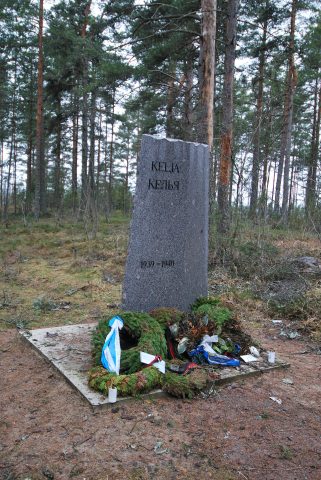
The monument is simple: a red granite stele topped with a bronze wreath. Names of the fallen—soldiers, volunteers, civilians—are carved into the stone. Nearby, plaques describe the events of those years, their inscriptions faded but still readable. There’s no grandeur here, just a quiet respect for the lives lost.
A small park surrounds the memorial. In summer, flowers line the paths; in winter, snow covers the ground—the same snow that once bore the weight of trucks carrying bread to a starving city. The past and present meet here, where the only sounds are the wind off the lake and the footsteps of visitors.
School groups visit, laying flowers as teachers recount the war’s stories. Veterans come too, though fewer each year. They stand before the stele, their memories bridging the decades.
From the memorial, the view stretches across Lake Ladoga. Today, sailboats glide over calm waters, but during the war, this was a battleground. Barges carried supplies in summer; in winter, trucks rolled across the ice under constant fire. The Germans targeted this route relentlessly. Now, the lake looks peaceful, but if you listen, the wind carries echoes of engines, explosions, and voices from the past.
This place makes history feel real. No glass cases, no guided tours—just silence, wind, and the sense that the past isn’t far away. It lingers in the stones, the trees, and the people who come to remember.
For those who grew up hearing war stories, this memorial connects them to their families, to the sacrifices made on these shores.
The memorial is now part of a route dedicated to the Road of Life. Travelers exploring the Leningrad region often stop here, drawn by the chance to see where a nation’s fate was decided. Unlike crowded tourist spots, this place offers solitude. Here, you’re left with your thoughts, the weight of history, and the understanding that the past isn’t just something you read—it’s something you feel.
The local community maintains the site. Residents tend the grounds, organize clean-ups, and ensure the memorial remains dignified. For many, it’s a way to honor ancestors who fought, built the Road of Life, and endured the blockade.
If you visit this part of Russia, stop at the memorial. Climb the hill, look over the lake, and think about the lives that crossed here. You might feel what locals feel: that history isn’t just dates and events, but something deeper, binding generations together.