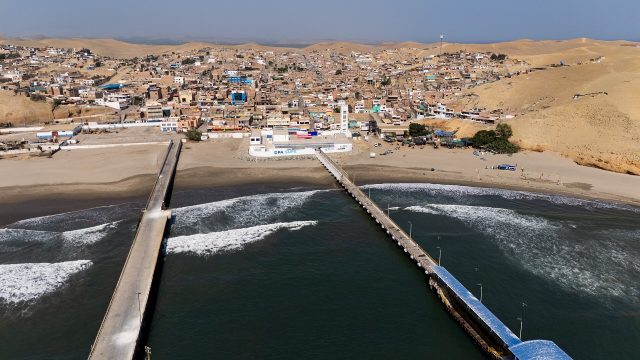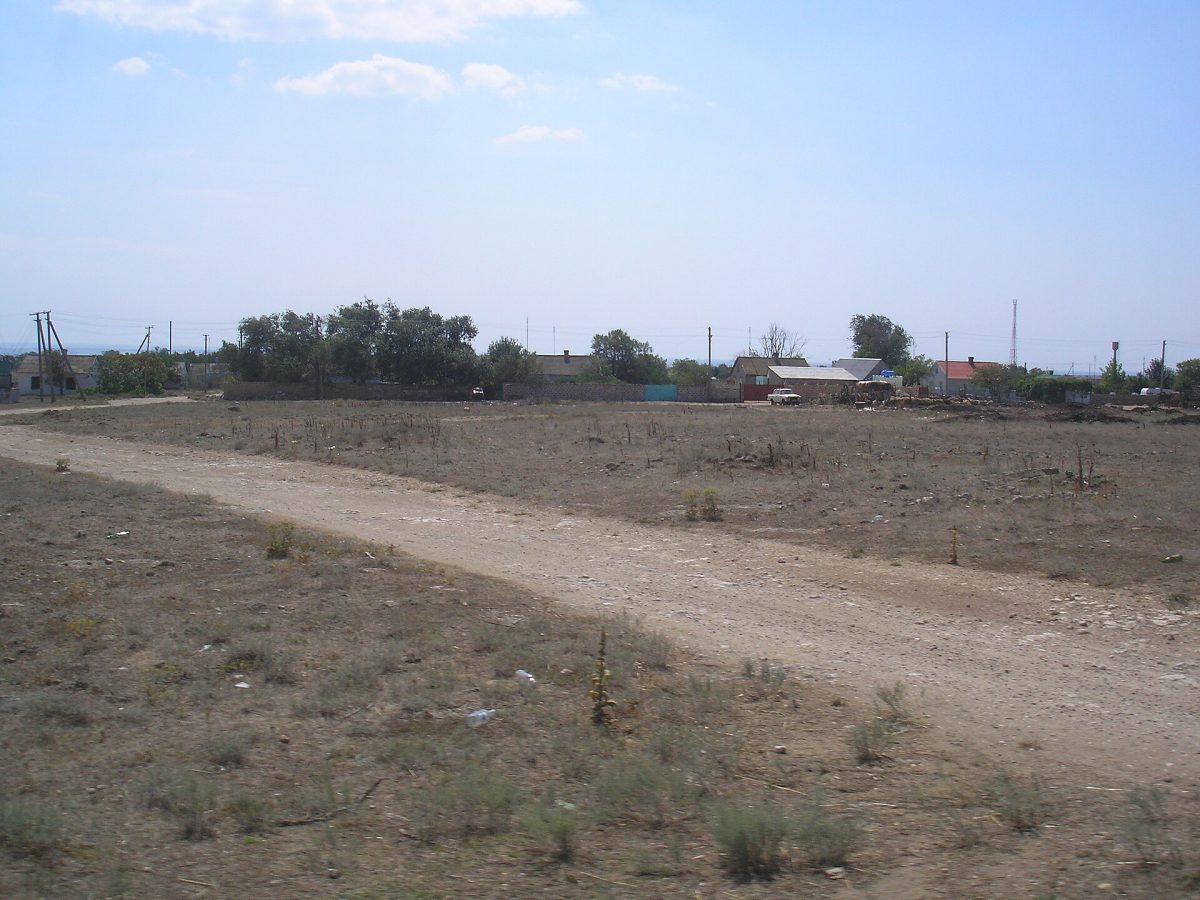
Lake Gromovo
Russia · 7 places
Photo: Kosun, Public domain
Gromovo sits quietly on the shore of Lake Ladoga, where the days stretch out like the long summer light over the water. This small town in northwestern Russia moves at its own pace, untouched by the rush of modern life. The streets are lined with wooden houses, some still standing from before the war, their weathered planks softened by time. The sidewalks, where they exist, are often overgrown with grass, and the air carries the scent of pine and damp earth. Locals will tell you people don’t come here for excitement—they come for stillness.
The town’s history is woven into the lake itself. Centuries ago, Ladoga was part of the trade routes that connected Scandinavia to the Byzantine Empire, and later, it became a vital link between St. Petersburg and the Russian interior. In Soviet times, Gromovo grew as a settlement for fishermen, loggers, and laborers, its identity shaped by the rhythms of the water and the forest. Today, the half-abandoned docks and rusted cranes along the shore tell their own story, one of quiet resilience rather than grand monuments. There are no world-famous museums here, just the unpolished truth of a place that has never pretended to be anything other than itself.
Lake Ladoga is the heart of Gromovo, vast and ever-changing. In summer, the water is dotted with small boats, and the air hums with the occasional chug of an outboard motor. Fishermen know the lake’s secrets—the hidden coves, the shifting sandbars—and sometimes their nets bring up pikeperch or whitefish. On calm mornings, mist curls over the surface, and the only sounds are the cry of gulls and the distant splash of a line being cast. Autumn turns the forests on the far shore into a blaze of gold and crimson, while winter transforms the lake into an endless plain of ice, stretching to the horizon. Even then, life doesn’t stop. Some mend their nets by the stove, others trudge through the snow on skis, and the town carries on, indifferent to the seasons.
The people here live simply, in a way that feels almost forgotten elsewhere. There are no shopping malls, just a small market where vendors sell fresh-caught fish, wild berries, and mushrooms gathered from the surrounding woods. In summer, the shore comes alive with the scent of grilled meat and the strum of a guitar, the laughter and music rippling across the dark water. But Gromovo isn’t a place for those seeking constant entertainment. It rewards those who are content to wander empty beaches, listen to the waves, or watch the sun dip below the horizon in a slow, smoldering glow.
For a while, you might stay in one of the local houses, waking to the sound of wind in the reeds and the distant call of a loon. The days pass without hurry—gathering firewood, mending a fence, or simply sitting by the water with a cup of tea. There’s a sense here that time moves differently, that the lake, with its ancient depths and endless skies, is something larger than any of us. And for a little while, you can be part of it.
See & Do
All of them
Places on the map
Marker colour follows the categoryClimate and weather
Detailed weather: Lake Gromovo- Average temperature
- 13 °C
- Precipitation per year
- 484 mm
Average air temperature
°C
3
4
6
11
16
22
24
24
20
14
8
6
Jan
Feb
Mar
Apr
May
Jun
Jul
Aug
Sep
Oct
Nov
Dec