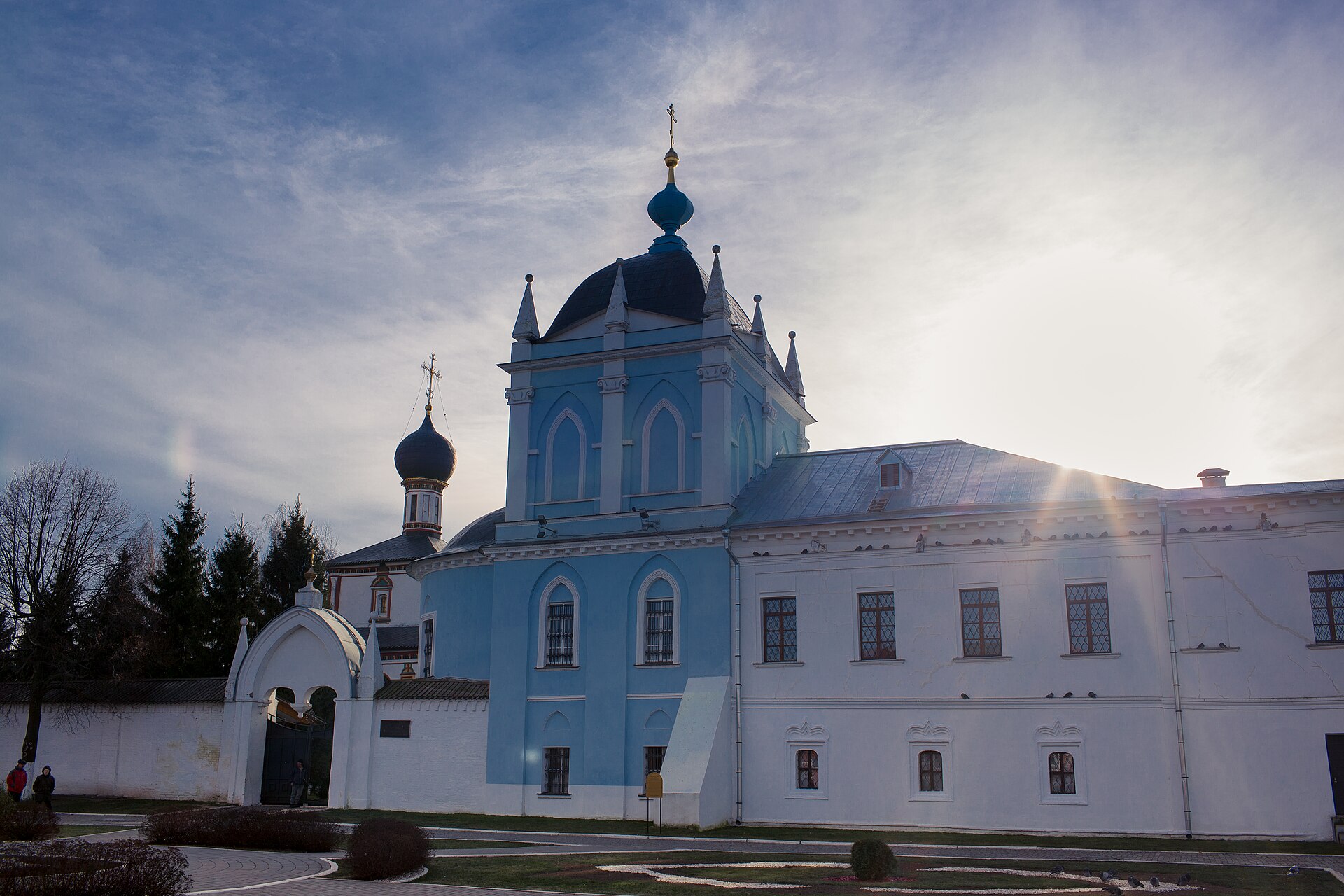
Perched on a gentle hill overlooking Lake Ladoga, the Church of the Intercession of the Holy Virgin stands as a quiet witness to centuries of rural life in this corner of northwest Russia. Its whitewashed walls rise above the low wooden houses of Gromovo, a small village where time seems to move at its own unhurried pace. The church is modest in size, but its proportions carry a quiet elegance—a slender bell tower, a dome clad in weathered tin, and facades that speak of careful craftsmanship rather than grand ambition. There are no gilded domes or ornate carvings here, just the simple beauty of a place built to serve, not to impress.
The origins of the church stretch back to the 18th century, when this land was part of the Novaya Ladoga district under St. Petersburg’s governance. Records first mention it in the 1760s, though historians still debate the exact year of its construction. What is certain is that it was built by the hands of local peasants and merchants, who pooled their resources to create not just a house of worship, but a gathering place for the community. In those days, Gromovo was little more than a cluster of homes along the lakeshore, where life revolved around the rhythms of farming, fishing, and the church calendar. The church became a focal point, a place where births, marriages, and farewells were marked, and where people sought solace in times of hardship.
Architecturally, the Church of the Intercession is a fine example of northern Russian design, particularly the so-called "ship-style" layout. The main structure, refectory, and bell tower align in a single row, resembling the hull of a vessel—a common arrangement in rural areas, where churches often doubled as shelters during raids or fires. The walls are built from local limestone, giving them a soft, warm hue that deepens in the late afternoon light. The facades feature restrained decorative elements typical of late Baroque, such as arched window frames and modest cornices, but executed with a simplicity that feels almost understated.
Inside, the church has lost much of its original furnishings, though traces of its past remain. The iconostasis, added in the 19th century, is unadorned, its lines clean and functional. The icons, painted by local artisans, reflect a folk tradition—saints with faces that resemble the villagers who once prayed before them, their expressions more human than divine. During the Soviet era, the church was closed, and many of its icons were lost or transferred to museums. Yet the building itself survived, spared the fate of countless other rural churches that were demolished or left to decay. Today, the interior feels sparse, but there’s a sense of resilience in its bare walls, as if the space itself remembers the voices that once filled it.
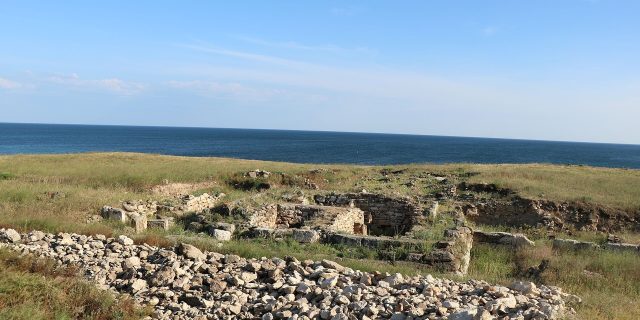
What makes the Church of the Intercession truly special is its setting. From the hill where it stands, the view stretches across Lake Ladoga, Europe’s largest freshwater lake. On clear days, the water shimmers endlessly, merging with the sky at the horizon. When storms roll in, the lake turns a steely gray, and the church seems to float above the waves. Locals say that in the past, fishermen would stop here before setting out, asking for blessings on their boats. Though fishing is no longer the lifeblood of Gromovo, the connection between the church and the lake endures, as if the two have always been part of the same quiet story.
In recent years, the church has slowly come back to life. Restored with donations from parishioners and benefactors, it now hosts services again, though not as frequently as in its heyday. It’s not a place that draws crowds—there are no tour buses, no souvenir stalls, no signs pointing the way. That’s part of its charm. Here, you won’t find the polished sheen of a major tourist site, but something far rarer: a sense of continuity, of a place that has weathered time without losing its soul. The silence inside the church is different from the silence outside—deeper, as if holding the echoes of prayers long since spoken.
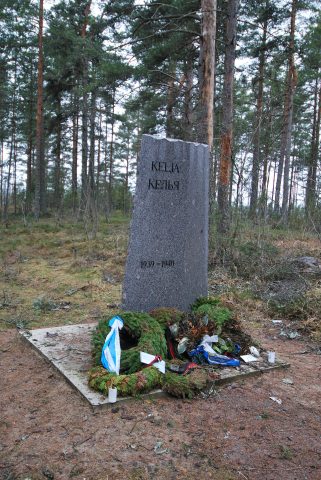
Around the church lies a small cemetery, where generations of Gromovo’s residents rest beneath moss-covered gravestones. Some are simple, others more elaborate, but all tell the same story of lives lived close to the land and the water. Walking among them, it’s easy to imagine the people who once knelt in the church, who farmed these fields, who cast their nets into the lake. The wind rustles through the trees, carrying with it the weight of years, and for a moment, the past feels almost tangible.
Gromovo and its church are the kind of place you stumble upon by accident, or perhaps seek out when you’re tired of the obvious. There are no grand narratives here, no dramatic events etched into history books. Instead, there’s something far more enduring: the quiet persistence of a place that has seen empires rise and fall, yet remains rooted in the same earth, under the same sky. It’s the kind of place that lingers in your memory not because of what it is, but because of how it makes you feel—like you’ve stepped into a moment where time stands still, and the line between past and present blurs just enough to let you catch your breath.