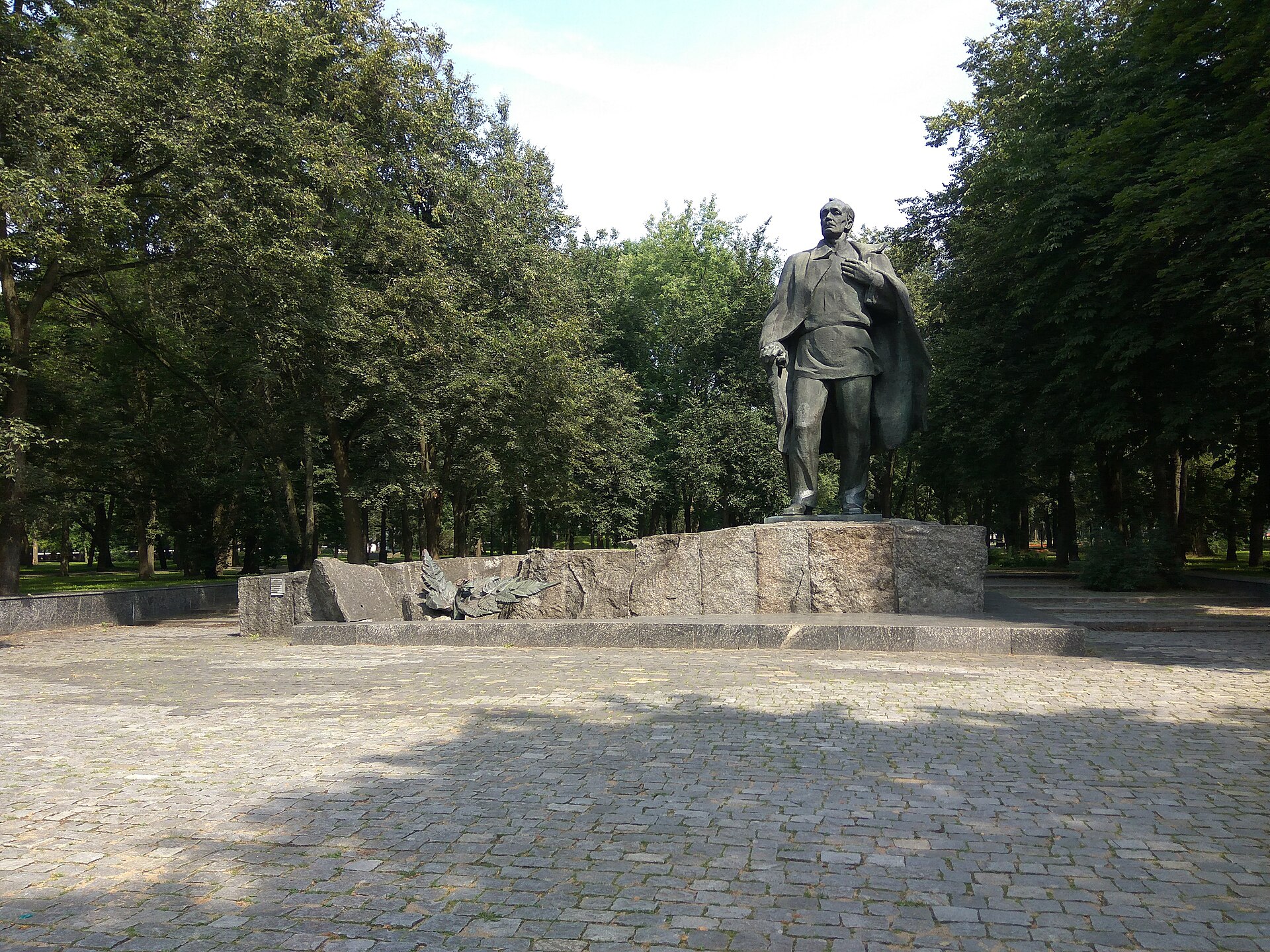
In the quiet town of Smilavichy, just outside Minsk, stands a monument to a man whose name resonates with every Belarusian. Yanka Kupala was more than a poet—he was a cornerstone of the nation’s literary heritage, a voice that shaped Belarusian identity. His words, woven into the fabric of the country’s culture, still echo in classrooms, at gatherings, and in the quiet moments when people pause to reflect. This monument isn’t just a tribute; it’s a place where the past lingers gently, where the weight of history feels light, almost unnoticed amid the town’s unassuming streets and modest houses.
The statue was unveiled in 1972, and since then, it has become one of Smilavichy’s most recognizable landmarks. Kupala is depicted in a moment of quiet contemplation, a book in his hands, as if he’s just stepped away from his writing to gaze into the distance. The sculpture is understated, free of grandiosity, which makes it feel approachable, almost familiar. Over the years, the bronze has developed a soft patina, blending seamlessly with the surroundings, as though it has always belonged here.
Smilavichy wasn’t just a random choice for this monument. Kupala was born in 1882 on the Viazynka estate near here, and though his childhood took him elsewhere, this corner of Belarus remained a recurring theme in his work. His poetry often drew from the rhythms of rural life, the struggles and joys of the land, and the traditions that bound people to their roots. That connection is why the statue doesn’t feel out of place—it’s as much a part of the landscape as the old linden trees or the weathered fences along the road.
The small square around the monument is well-kept, with flowerbeds blooming in the summer and neatly cleared paths in the winter. Locals don’t just visit on special occasions; they come here to sit on the benches, chat, or bring their children. For many, it’s a quiet spot to pause, a place where time seems to slow down just a little. There’s no fanfare, no crowds—just the occasional passerby and the sense that life here moves at its own unhurried pace.
Belarus has other monuments to Kupala, including one in Minsk and another in Viazynka, his birthplace. But the one in Smilavichy feels different—more intimate, more personal. There are no tourist buses or souvenir stalls, just the stillness of a small town where history isn’t performed for visitors but simply exists, woven into the everyday.
For Belarusians, Kupala is more than a historical figure. His poems were memorized in school, recited at protests, and sung around campfires. He wasn’t just a poet; he was a defender of the Belarusian language and culture at a time when both were under threat. In that sense, this monument is more than a sculpture—it’s a symbol of continuity, a reminder that even in a rapidly changing world, roots matter.
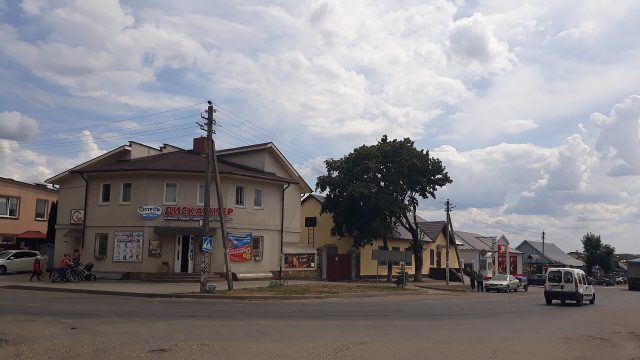
Smilavichy itself isn’t a tourist hotspot. It’s an ordinary Belarusian town where life unfolds slowly, marked by local fairs, community clean-up days, and the occasional concert in the square. But that ordinariness is what makes the monument here so special. It doesn’t stand out as something foreign or imposed; it feels like it’s always been here, a natural part of the town’s rhythm.
If you ever find yourself in this part of Belarus, take a moment to stop. Walk up to the statue, look at Kupala’s face, and consider why his name carries such weight. For Belarusians, he isn’t just a name in a textbook—he’s a part of their story, a voice that still speaks to them. And in a place as unassuming as Smilavichy, that memory is kept alive, quietly and without fuss.