Polotsk is a city where time seems to slow down, especially as you walk through its streets, steeped in the quiet weight of history. Here, by the banks of the Western Dvina River, the past isn’t confined to museums—it lingers in the worn cobblestones, the crooked alleyways, and the old buildings that have witnessed centuries unfold. This is one of Belarus’s oldest cities, a place where history feels alive, and where the legacy of Francysk Skaryna, the first Eastern Slavic book printer, is etched into its very identity. His bronze monument stands not far from St. Sophia Cathedral, a quiet but powerful symbol of a man who helped shape the cultural awakening of an entire people.
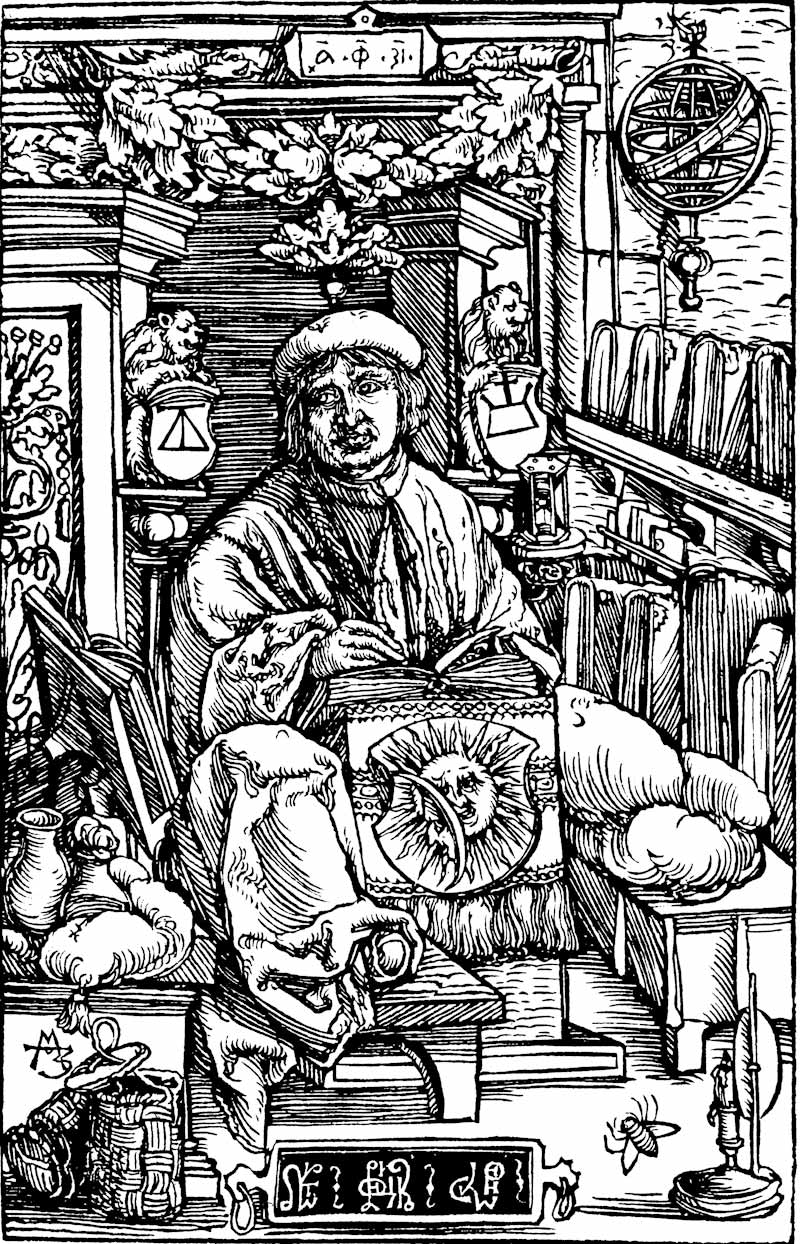
Skaryna was born in Polotsk in the late 15th century, when the city was a thriving center of the Grand Duchy of Lithuania. Back then, Polotsk was known for its skilled craftsmen, bustling markets, and educated elite, but Skaryna did something no one else had done before. After studying at European universities, he returned home not just with knowledge, but with a mission: to make books accessible to his fellow Belarusians. In an era when literacy was rare and books were a luxury, he began printing the first books in the Old Belarusian language. His work bridged medieval Europe and the Slavic world, blending tradition with innovation in a way that would leave a lasting mark on the region’s cultural and intellectual life.
The monument to Skaryna in Polotsk was erected in the late 20th century, yet it feels as if it has always been part of the city’s landscape. The sculpture depicts him standing at full height, a book in his hands, as though he has just stepped out of his printing workshop, lost in thought. His gaze is directed into the distance, his posture calm and assured, reflecting the quiet confidence of a man who understood the value of his work. The statue rests on a modest pedestal, a deliberate choice that keeps Skaryna at eye level with passersby, as if inviting conversation rather than commanding reverence. It’s a place where students, tourists, and locals often gather, sitting on nearby benches to read, chat, or simply take in the surroundings.
The location of the monument is no accident. It stands in a small square where several old streets converge, leading toward St. Sophia Cathedral, one of Polotsk’s most significant architectural landmarks. Built in the 11th century, the cathedral has witnessed countless historical moments—kings have prayed here, envoys have been received, and ancient manuscripts have been preserved within its walls. Now, Skaryna’s statue stands nearby, a reminder that knowledge and culture have always been intertwined with the city’s history. The square itself is a peaceful spot, with linden trees blooming in summer and a dusting of snow in winter, adding to the sense of timelessness.
Polotsk is often called the spiritual capital of Belarus, and for good reason. Many notable figures have left their mark on the city, but Skaryna’s legacy stands apart. He didn’t just print books—he championed the idea of education and enlightenment, a mission that remains relevant today. The city is home to a Museum of Printing, where visitors can see rare editions from Skaryna’s time and learn about the evolution of bookmaking in Belarus. But even without stepping inside a museum, the spirit of Skaryna is palpable in Polotsk. His influence is woven into the fabric of the city, from the quiet dignity of its streets to the way its people honor their past.
The monument to Skaryna is more than just a statue—it’s a living piece of history. It serves as a reminder that culture doesn’t emerge in isolation; it’s passed down, shaped, and preserved by each generation. In Polotsk, this connection to the past is especially strong. The city doesn’t just preserve its history—it lives alongside it, welcoming visitors while quietly sharing its stories. Skaryna’s statue is one of those stories, one that can be seen, touched, and felt in the polished bronze worn smooth by time and the hands of countless admirers.
If you ever find yourself in Polotsk, take your time. Pause by the monument, look at the book in Skaryna’s hands, and consider the dedication and belief that drove him to bring knowledge to his people. Then stroll along the embankment of the Western Dvina, step inside St. Sophia Cathedral, or linger in one of the city’s quiet courtyards. Polotsk doesn’t rush its visitors—it reveals itself to those who are willing to listen. And if you let it, the city might just help you understand why this place, with its unassuming streets and deep-rooted history, gave birth to an idea that would change the cultural life of a nation.