Palácio Rio Negro is one of those rare places in Manaus where time seems to slow down, allowing you to step into a different era. Built at the height of the rubber boom in the late 19th century, this palace still carries the echoes of a time when the Amazon was the center of global wealth. Today, it serves as the official residence of the governor of Amazonas, though parts of the building are open to visitors, offering a glimpse into a past defined by opulence and ambition.
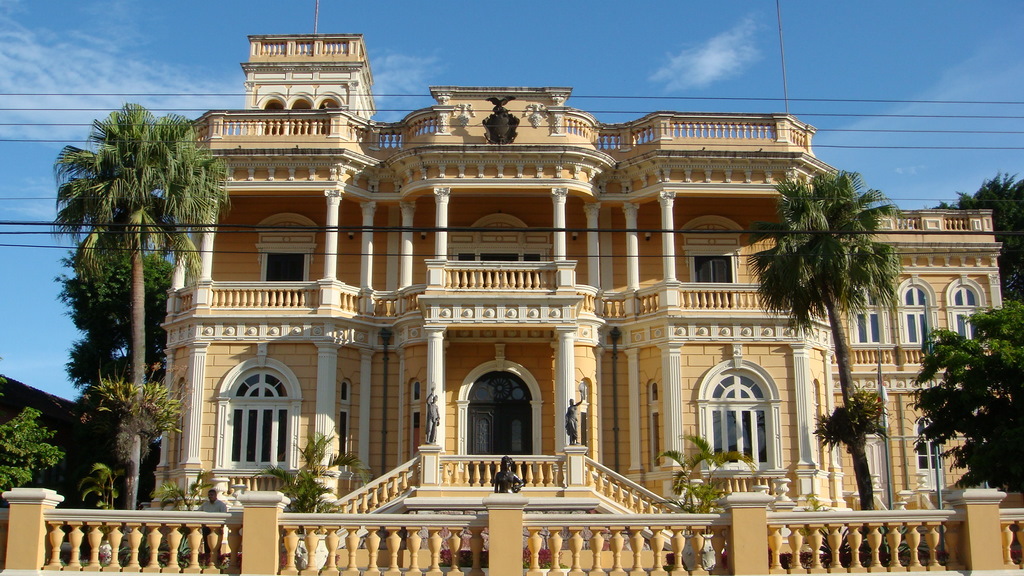
The architecture is a striking blend of European elegance and local influences. The facade features intricate stucco work, wrought-iron balconies, and tall windows that once flooded the grand halls with light. Inside, marble staircases, crystal chandeliers, and imported wooden paneling reflect the tastes of a society that looked to Europe for inspiration. The reception hall remains particularly impressive, where official events are still held beneath ornate ceilings and polished parquet floors. Every detail, from the gilded moldings to the frescoes, speaks of an era when Manaus’ elite sought to replicate the grandeur of European aristocracy.
The palace’s history is inseparable from the rubber boom that transformed Manaus from a modest settlement into one of the wealthiest cities in the world. Commissioned in 1896 by rubber baron Waldemar Scholz, the building was meant to be a statement of his success. Yet within a few years, it became state property, symbolizing political power in the region. Over the decades, it has hosted royalty, presidents, and celebrities, bearing witness to both the rise and fall of the Amazon’s economy.
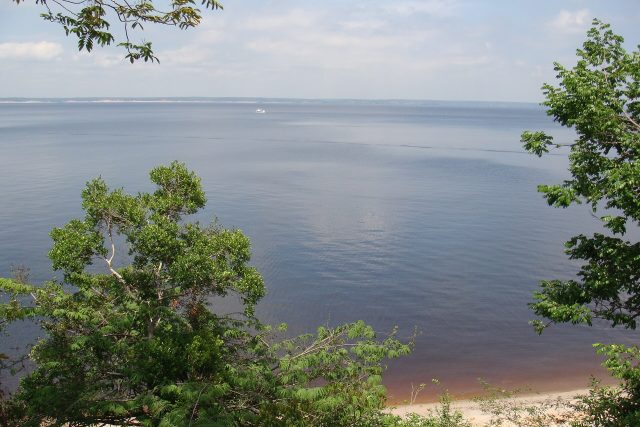
Today, Palácio Rio Negro functions as both a government building and a museum. The exhibits are modest—a collection of 19th-century furnishings, portraits of past governors, and documents chronicling the region’s development—but the atmosphere makes them compelling. Visitors can wander through the same halls where politicians and businessmen once debated the future of the Amazon or step onto the balcony for a view of the Rio Negro. The river’s dark, almost black waters, stained by decaying organic matter, gave the palace its name and add to its mystique.
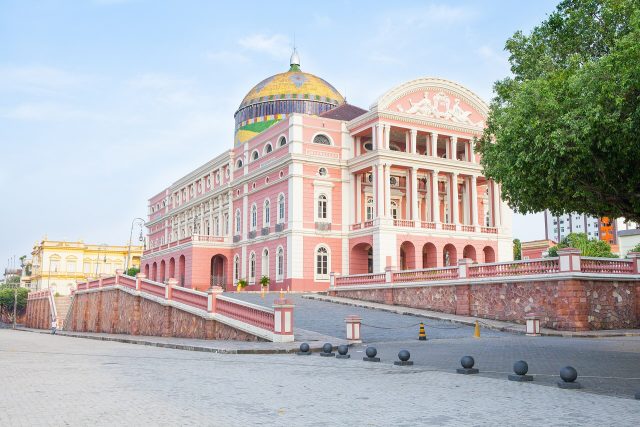
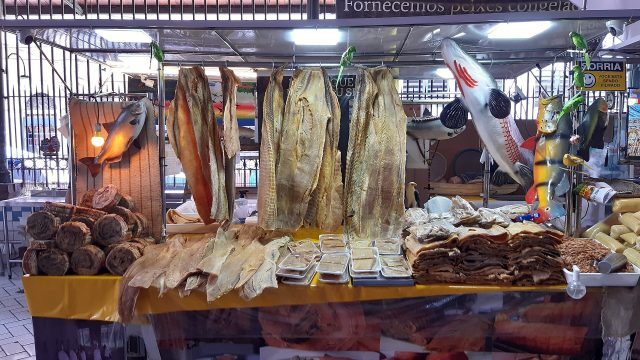
Perched on a small hill, the palace offers a sweeping view of central Manaus. Nearby landmarks like the Teatro Amazonas and the Adolpho Lisboa Market make it a natural starting point for exploring the city. The building is surrounded by a lush garden filled with tropical plants, and in the evenings, soft lighting accentuates its grandeur. At dusk, when the sky turns shades of orange and the river below darkens, the palace feels like a relic of a bygone era, a reminder of Manaus’ brief but dazzling moment in the spotlight.
A visit to Palácio Rio Negro doesn’t take long, but it offers a quiet, intimate look at the city’s history. Unlike more crowded tourist sites, it retains a sense of calm, allowing you to linger over the details—the intricate woodwork, the faded elegance of the furnishings, or the view from the balcony. The palace isn’t always open to the public, as it still serves official functions, so it’s worth checking ahead. Even if you can’t go inside, the building and its surroundings are worth a stop, especially at sunset when the light transforms the scene.
This palace is more than just a historic landmark; it’s a bridge between Manaus’ past and present. It reminds us that the city wasn’t always defined by its jungle surroundings. For a brief, glittering period, it was a place of wealth and ambition, where fortunes were made and lost. Palácio Rio Negro stands as a testament to that era, a place where the stories of the Amazon’s boom years are still palpable. For anyone curious about the region’s history, it’s a quiet but essential stop.