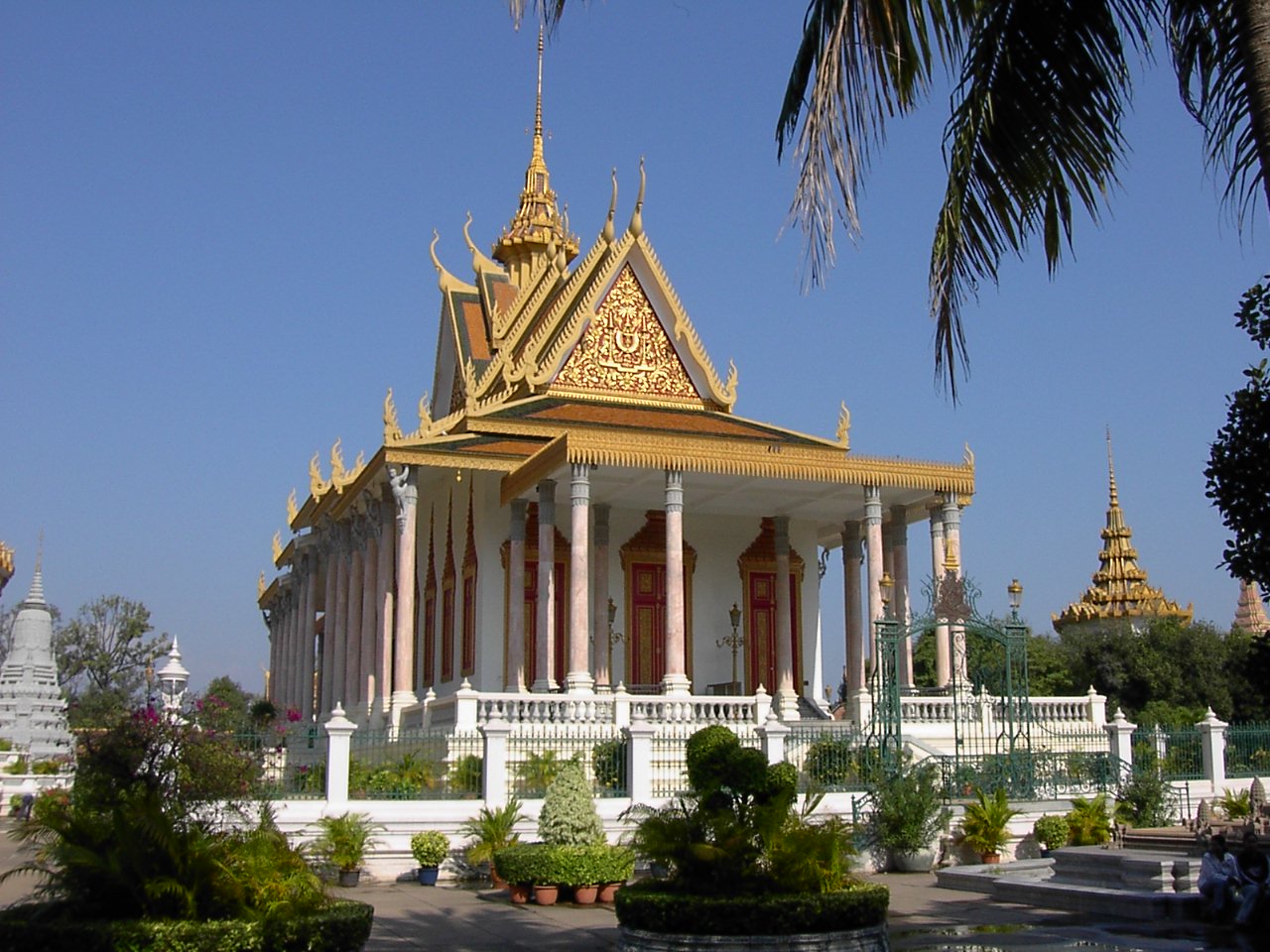
The Silver Pagoda sits at the heart of Phnom Penh, a quiet contrast to the city’s bustling streets. Officially known as Wat Preah Keo Morokat, or the Temple of the Emerald Buddha, it’s part of the larger Royal Palace complex, though it stands apart in both purpose and presence. Unlike the palace’s grand halls and ceremonial spaces, the Silver Pagoda feels more intimate, almost like a private sanctuary where the monarchy once sought solace and reflection. Its name comes from the 5,329 silver tiles that cover the floor, each weighing over a kilogram, though visitors today rarely see them—most are hidden beneath protective carpets.
The pagoda’s origins trace back to the mid-19th century, when King Norodom I ordered its construction to house sacred Buddhist relics. Over time, it became a repository for some of Cambodia’s most treasured artifacts, a role it still fulfills today. The building itself is a blend of traditional Khmer architecture and subtle French colonial influences, evident in the delicate gilding and the way light filters through the stained-glass windows. The central structure is modest in size but rich in detail, with walls adorned in murals depicting scenes from the Reamker, Cambodia’s version of the Ramayana. These murals, painted in the 1900s, are faded in places but still vivid enough to tell their stories—epic battles, divine interventions, and the triumph of good over evil.
At the heart of the pagoda is the Emerald Buddha, a small but revered statue carved from Baccarat crystal. It’s not the largest or most ornate Buddha in Cambodia, but its significance lies in its history and the devotion it inspires. Nearby, a life-sized gold Buddha stands, encrusted with over 9,000 diamonds, the largest of which weighs 25 carats. These statues, along with other religious artifacts, are more than just displays of wealth—they’re symbols of Cambodia’s spiritual heritage, carefully preserved through decades of upheaval. The pagoda survived the Khmer Rouge era, though not unscathed; many of its treasures were looted or damaged, and the murals bear the scars of neglect. Restoration efforts have since brought much of it back to life, though some wounds remain visible, a quiet reminder of the country’s turbulent past.
The atmosphere inside the pagoda is one of reverence, even for those who don’t share its religious significance. The air is cool and still, the only sounds the soft footsteps of visitors and the occasional murmur of prayer. Outside, the temple grounds are just as striking. A model of Angkor Wat, built in the 1960s, sits in the courtyard, a miniature tribute to Cambodia’s most famous landmark. Nearby, a bell tower and a series of stupas house the ashes of royal family members, their white spires standing out against the manicured gardens. The contrast between the pagoda’s opulence and the simplicity of these surrounding structures is striking, a reflection of the balance between grandeur and humility that defines much of Khmer culture.
Visiting the Silver Pagoda is less about ticking off a tourist attraction and more about stepping into a living piece of Cambodia’s history. It’s a place where the past feels tangible, where every artifact and mural carries a story. The pagoda isn’t just a monument to Buddhism or the monarchy—it’s a testament to resilience. It has witnessed wars, revolutions, and the slow process of healing, yet it remains a place of quiet dignity. For locals, it’s a site of pilgrimage and pride; for visitors, it offers a glimpse into the soul of a nation that has endured much but still finds beauty in its traditions.
The best time to visit is early morning, when the light is soft and the crowds are thin. The pagoda opens its doors to the public daily, though it’s worth checking for any closures during royal ceremonies or religious holidays. There’s no strict dress code, but modesty is appreciated—covering shoulders and knees is a sign of respect. Photography is allowed, though flash is often discouraged to preserve the delicate murals. As you walk through the pagoda, it’s hard not to feel the weight of history around you. The silver tiles beneath your feet, the golden Buddhas watching silently, the murals telling their ancient tales—all of it comes together to create an experience that’s as much about reflection as it is about sightseeing.
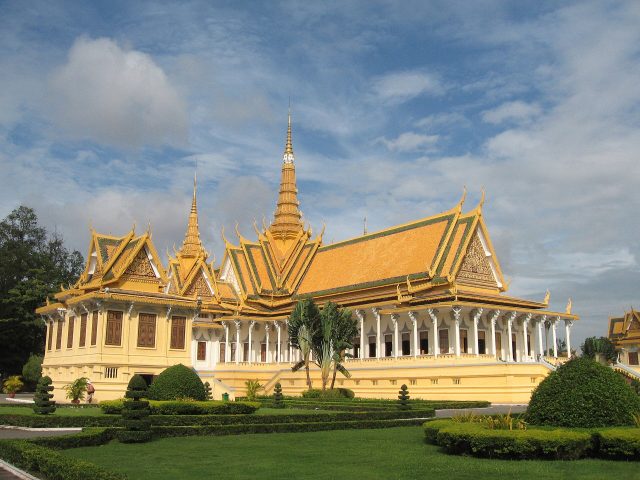
Beyond the pagoda itself, the surrounding Royal Palace grounds offer more to explore. The Throne Hall, with its towering spires and intricate carvings, is a short walk away, as is the Moonlight Pavilion, a more understated but equally elegant structure. The palace complex is a microcosm of Cambodia’s architectural evolution, from the classical Khmer style to the more ornate designs of the colonial era. Together, these buildings tell the story of a nation that has always found ways to adapt while holding onto its identity. The Silver Pagoda, in many ways, is the heart of that story—a place where the past is not just remembered, but still very much alive.