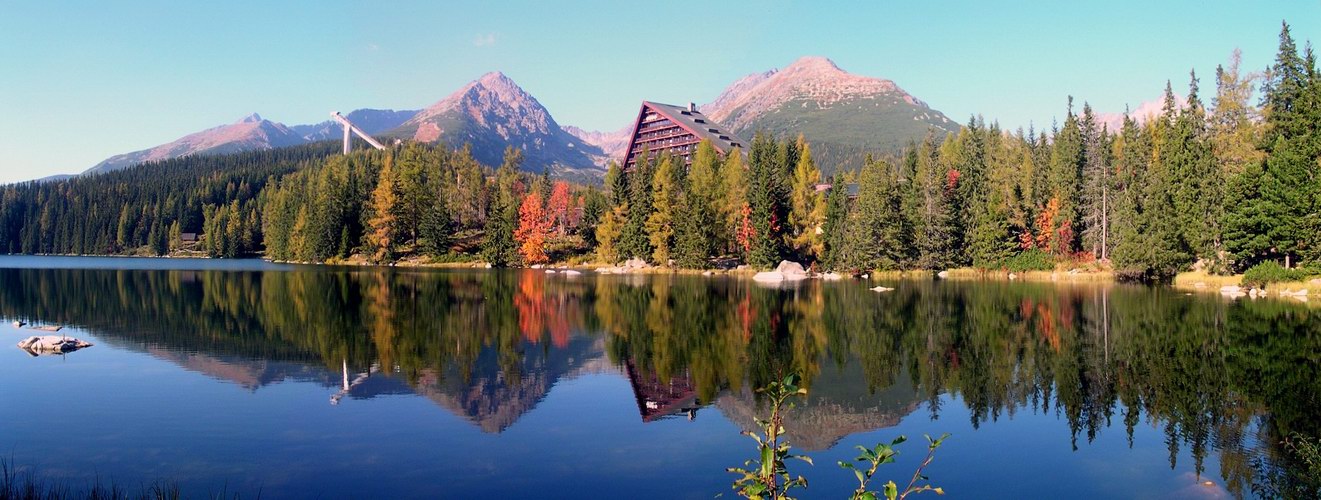
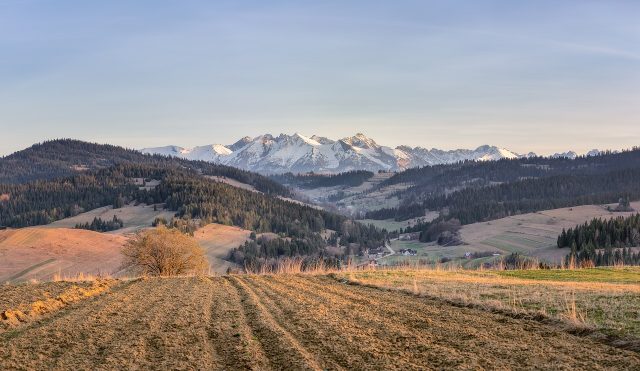
Strbske Pleso is one of those rare places where the mountains feel both grand and intimate. Tucked high in the Tatras at over fifteen hundred meters, the lake sits cradled by dense pine forests and jagged peaks that mirror perfectly in its still waters. The air carries the scent of resin and damp earth, sharp and clean, while the only sounds are the whisper of wind through the trees or the distant call of a chamois echoing across the slopes. The water stays cold year-round, rarely warming beyond ten degrees even in summer, so swimming is more of a quick, bracing plunge than a leisurely dip. But in winter, the lake freezes into a vast natural ice rink, surrounded by snow-covered trails that wind through the forest, turning the landscape into a quiet, white expanse.
The story of Strbske Pleso is really the story of how the Tatras opened up to the world. A little over a century ago, this was just another remote mountain lake, known only to shepherds and hunters. That changed in 1871 when the railway arrived, cutting travel time from Bratislava or Kosice from days to mere hours. Suddenly, the highlands were within reach for city dwellers seeking fresh air, alpine scenery, and an escape from industrial life. The first hotels sprang up along the shore, and the lake became a symbol of the region, a place where the raw beauty of the mountains met the comforts of modern travel.
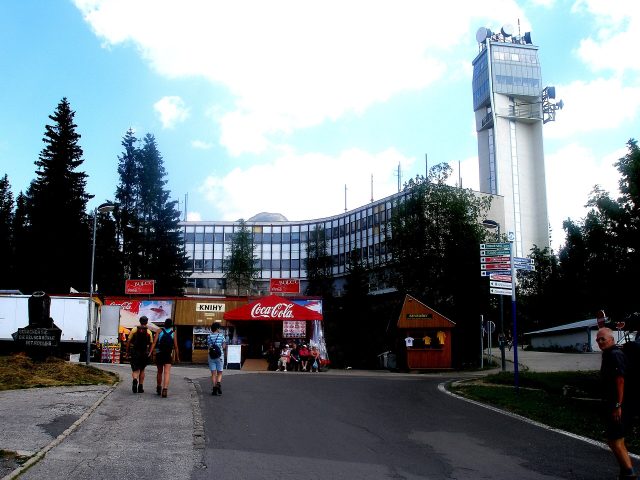
Today, Strbske Pleso is a small but well-equipped resort village, though it has managed to avoid the overdevelopment that plagues many mountain destinations. The settlement blends seamlessly into the landscape, with wooden chalets and stone buildings that look as if they’ve always been there. There are hotels for every budget, restaurants serving hearty Slovak dishes like bryndzové halušky or roasted trout, and rental shops where you can pick up hiking gear or skis. In summer, the trails draw walkers of all levels, while winter brings skiers and snowboarders to the slopes. Yet despite the infrastructure, the place retains a quiet, unhurried feel—more like a mountain hamlet than a tourist hub.
The architecture here is worth lingering over. Most buildings follow the traditional alpine style, with sturdy wooden beams, stone foundations, and steep, snow-shedding roofs. The train station, built in the early 1900s, is a particularly fine example, resembling a hunting lodge more than a transit point, with intricate carvings and large windows framing views of the peaks. Nearby, a small wooden church stands almost hidden among the trees, its simple design making it feel like a natural part of the landscape rather than something built by human hands.
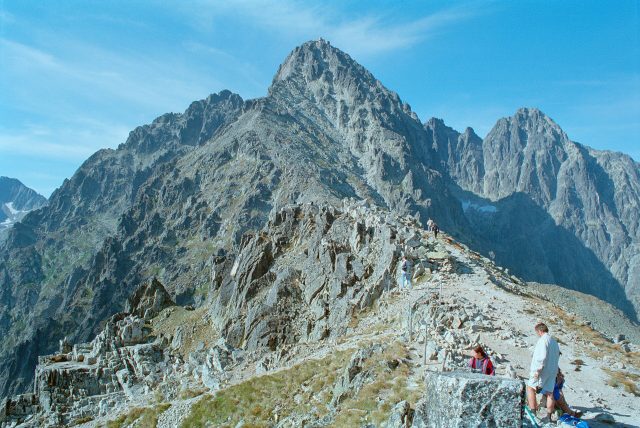
The area around the lake offers countless ways to explore on foot. The easiest route is the loop around Strbske Pleso itself, a gentle hour-long walk that winds through the forest, occasionally dipping close to the water’s edge. The path reveals new perspectives with every turn—one moment you’re looking up at snow-capped summits, the next you’re gazing across the lake’s glassy surface. For those wanting more of a challenge, there are trails leading to neighboring lakes like Popradské Pleso or to mountain huts where you can spend the night before continuing deeper into the range. The higher you go, the more the landscape opens up, revealing vast meadows and rocky outcrops where the wind carries the scent of wild herbs.
Winter transforms Strbske Pleso into a skier’s paradise. The slopes here cater to everyone, from beginners on gentle runs to experts tackling steep descents. Snow blankets the ground from November through April, and the conditions are reliably good, with fewer crowds than you’d find in the Alps. After a day on the slopes, the mountain huts offer a warm refuge, serving mulled wine and hearty meals like fried cheese or potato dumplings. The atmosphere is relaxed, with none of the frenetic energy of larger resorts—just the quiet satisfaction of a day spent in the mountains.
What makes Strbske Pleso special, though, isn’t the activities or the scenery alone, but the way it makes time feel different. There’s no rush here, no need to tick off sights or fill every moment with noise. You can sit by the lake for hours, watching the light shift across the peaks, or walk through the forest without meeting another soul. In summer, the evenings are particularly magical, with the sky turning shades of pink and gold as the sun sets behind the mountains. In winter, the early mornings have their own quiet beauty, when mist hovers over the frozen lake and the only sound is the crunch of snow underfoot.
For some, Strbske Pleso might seem too quiet, too understated. There are no amusement parks, no nightclubs, no grand monuments—just the mountains, the lake, and the forest. But that’s precisely why it feels so genuine. This is a place where you come to slow down, to breathe deeply, and to remember what it’s like to simply be outside, away from the noise of everyday life. You might visit for a day and leave feeling refreshed, or stay for a week and find yourself noticing new details each time—a hidden trail leading to an abandoned hut, the way the light catches the water at dawn, or the sight of a deer drinking from the lake at dusk.
Strbske Pleso isn’t just a destination; it’s a feeling. It’s the quiet thrill of standing at the edge of a highland lake, surrounded by peaks that have stood for millennia, and realizing how small and how connected you are to it all. The place doesn’t promise anything extraordinary—no fireworks, no grand revelations—just the chance to step away from the rush and rediscover the quiet joy of being present. Maybe that’s why people keep coming back. Not for the photos, not for the bragging rights, but for the simple, grounding truth that sometimes the best way to rest is to do nothing at all.