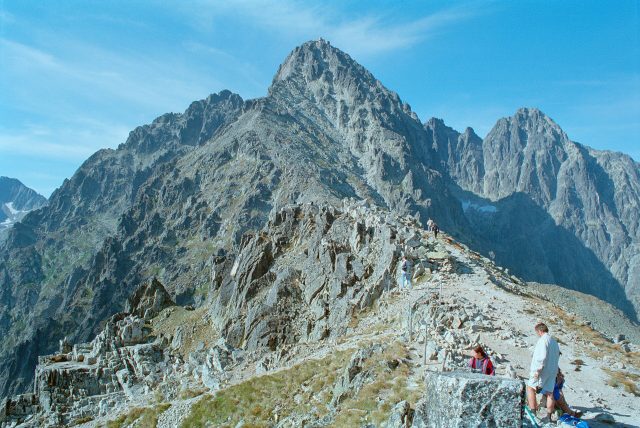
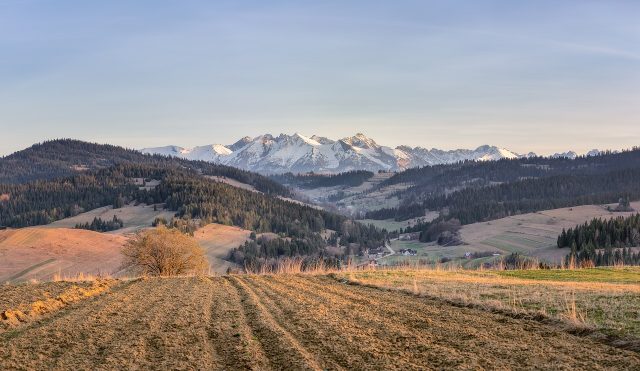
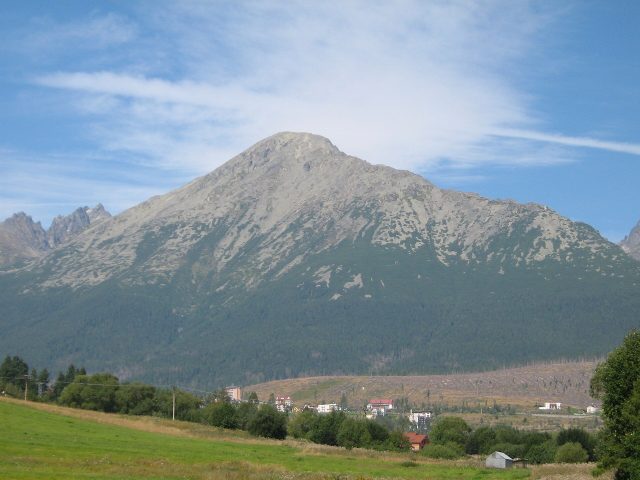
The Strečnianske Plesa lakes are one of those quiet corners of the High Tatras that draw visitors not for crowds or excitement, but for something far more elusive: a kind of stillness that feels almost tangible. Tucked away from the busier trails, these glacial mountain lakes sit at around 2,000 meters above sea level, surrounded by jagged rock faces and dense pine forests. There are three of them—Lower, Middle, and Upper—and while each has its own character, the Upper Lake is often considered the most striking. The word *pleso*, used in the Tatras to describe these small alpine lakes, carries a weight of its own, evoking something wild and untouched.
The history of these lakes is woven into the broader story of tourism in the Tatras. In the late 19th century, when the mountains first began to attract adventurous travelers, reaching the Strečnianske Plesa was no easy feat. There were no well-trodden paths or signposts back then, just rough terrain and the kind of isolation that made the journey feel like a true expedition. Today, the trails are more accessible, but the sense of remoteness remains. The landscape hasn’t softened with time—it’s still rugged, with moss-covered boulders, water so cold it barely rises above ten degrees even in summer, and an air thick with the scent of resin and damp earth.
There are no grand architectural landmarks here, no monuments or museums. The landscape itself is the main attraction, raw and unfiltered. But if you look closely, you’ll find subtle traces of human presence: old stone shelters that once offered refuge to hikers, or simple wooden bridges crossing small streams. These structures don’t try to compete with the scenery—they’re practical, unobtrusive, and built to last. There are no cafes, no souvenir stands, just the quiet interplay of rock, water, and sky. That’s what makes these lakes special: they offer a chance to step into a world that feels untamed, where nature isn’t something to observe from a distance but to experience firsthand.
The most common route to the lakes starts in the village of Tatranská Lomnica. From there, the trail winds upward through the forest, gradually gaining elevation. The first lake you encounter is the Lower Pleso, the smallest of the three. It’s almost hidden among the trees, its still surface mirroring the cliffs around it. The path grows steeper as you continue, and soon the Middle Pleso comes into view. Larger than the first, its dark waters seem even deeper, and many hikers pause here to rest and take in the surroundings.
The Upper Pleso is the highlight of the journey. Nestled in a small basin, surrounded by towering rock walls, it feels like a world apart. The water is clear but appears almost black in certain light, its depth playing tricks with the reflections of the peaks above. On clear days, the mountains seem to float on the surface, and if you’re lucky, you might spot a chamois or a marmot near the shore. There are no marked paths around the lake, just loose stones and low shrubs, so most visitors don’t linger long. Yet this is the place that stays with you—the silence broken only by the wind and the occasional cry of a bird, the feeling of standing at the edge of something vast and untouched.
This isn’t a destination for those seeking adrenaline or Instagram-worthy moments. There are no extreme sports, no bustling crowds, just the quiet rhythm of the mountains. What the Strečnianske Plesa offer instead is something rarer: a chance to be alone with nature, to feel its presence in a way that’s increasingly hard to find. The Tatras are full of stunning landscapes, but here, the beauty feels more intimate, more real. Perhaps that’s because the lakes have remained largely untouched by mass tourism, their wild charm preserved by their remoteness.
The weather here is unpredictable. A sunny morning can turn into fog or rain within hours, so it’s wise to come prepared—warm layers, waterproof boots, and a map or GPS are essential. The trails are well-marked, but in poor visibility, it’s easy to lose your way. In winter, the lakes freeze over, and the area becomes a snow-covered wilderness, accessible only to experienced hikers. Summer brings more visitors, but even then, it’s possible to find solitude if you venture beyond the main paths.
The Strečnianske Plesa are a place for those who appreciate slow, unhurried exploration. There’s no need to rush or follow the crowd. You can sit by the water, listen to the wind in the pines, and watch the light shift over the peaks. Time moves differently here, and after a few hours by the lakes, the return to civilization can feel almost jarring. Maybe that’s why so many people come back—drawn by the quiet, the sense of freedom, and the rare opportunity to step outside the noise of everyday life.