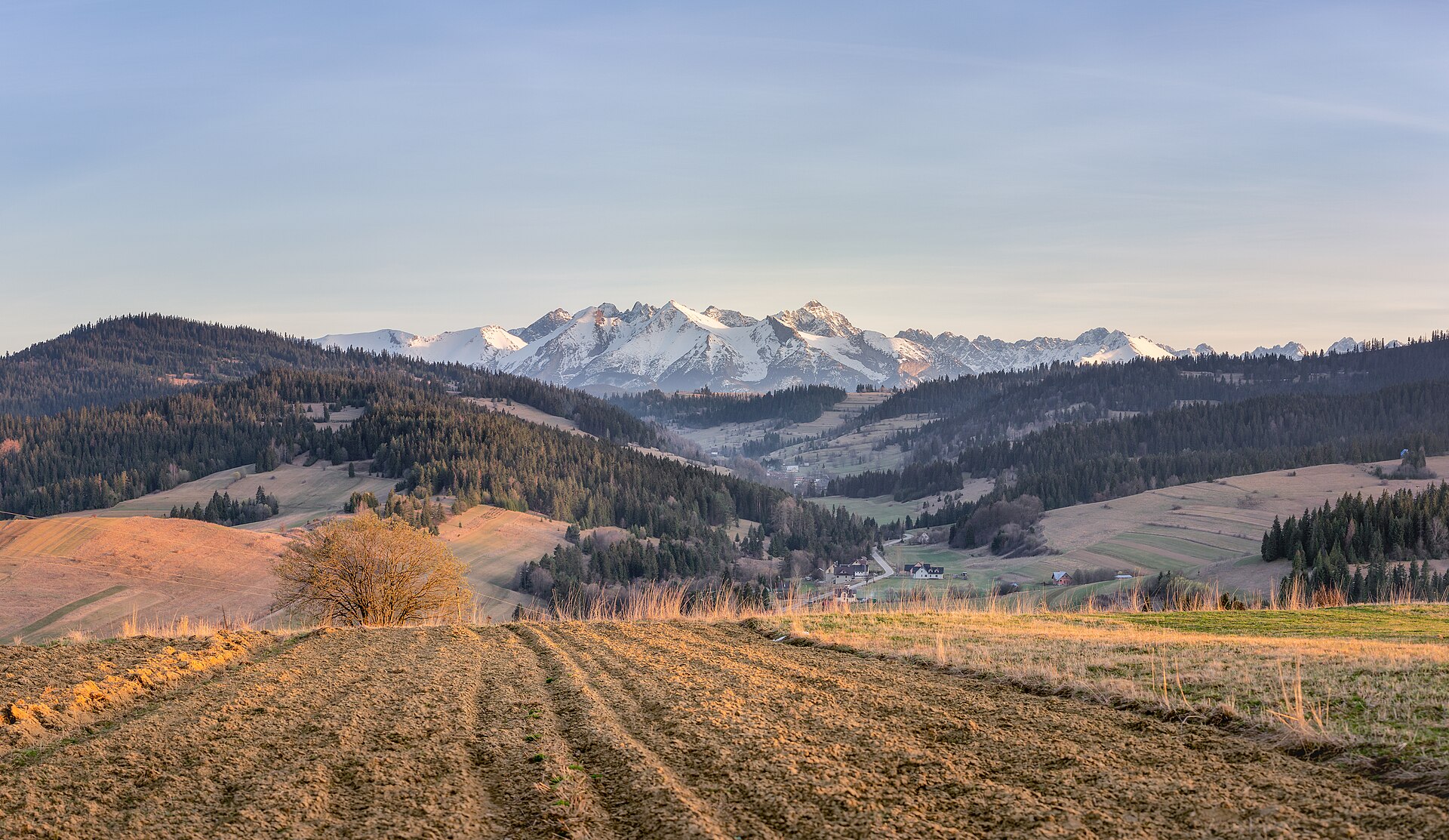
The High Tatras aren’t just mountains—they’re a place where nature seems to have gathered all its grandeur into one corner of Europe. Stretching across northern Slovakia, Tatra National Park is the country’s oldest and most renowned protected area, covering nearly seven hundred square kilometers of jagged peaks, deep valleys, and forests that appear untouched by time. While the park was officially established in 1949, efforts to preserve these lands began much earlier, in the 19th century, when locals and travelers first recognized their uniqueness.
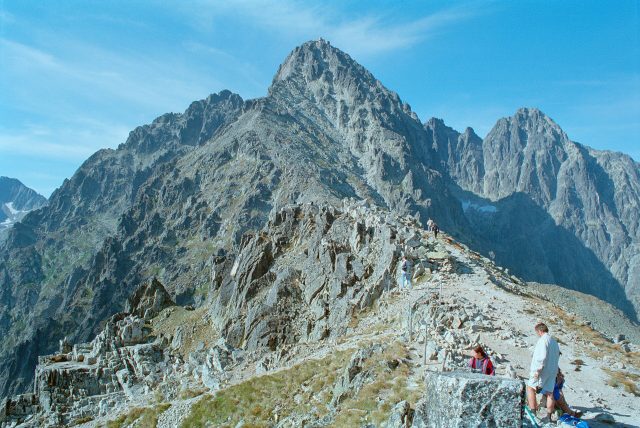
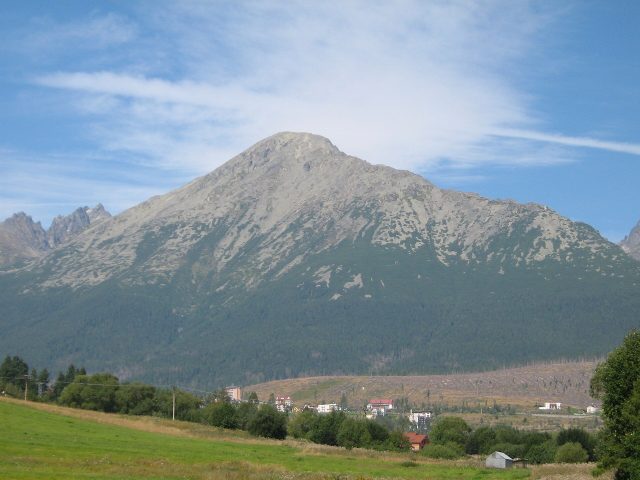
The mountains here aren’t just tall—they’re dramatic, with sharp ridges and sheer faces that command attention. The main Tatra range runs from west to east, forming a natural border between Slovakia and Poland. The highest point, Gerlachovský štít, rises 2,655 meters above sea level, not only the tallest peak in Slovakia but a symbol of the entire region. Climbing it requires experience, but even those who prefer to keep their feet on the ground can appreciate its imposing presence from a distance—whether from the shores of Štrbské Pleso or the quiet valleys below.
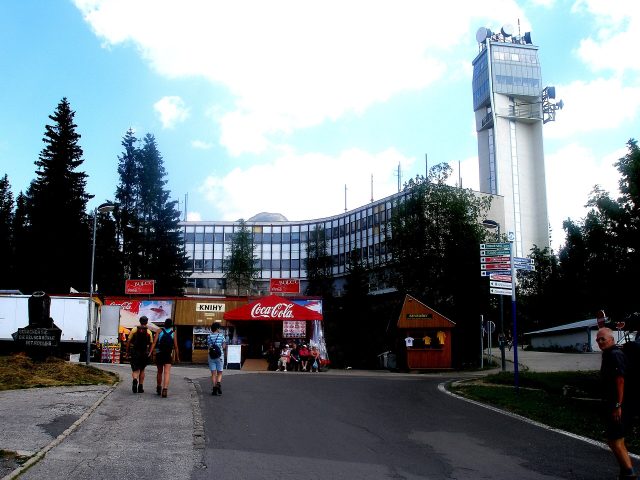
Water is as much a part of the Tatras as the rock itself. Over a hundred glacial lakes, known locally as *plesa*, dot the landscape, their crystal-clear waters reflecting the sky. The most famous, Štrbské Pleso, sits at 1,345 meters, surrounded by dense forests and gentle trails. On calm days, the lake’s transparency reveals the bottom even at depths of twenty meters. While the area around it has developed into a hub for visitors, with hotels and restaurants, a short walk away brings you to a world of silence, broken only by the wind or the distant call of a chamois.
The forests of the Tatras tell their own story. They cloak the mountainsides up to about 1,800 meters, where they give way to stunted trees and alpine meadows. Spruce, fir, and larch dominate the higher elevations, while beech and maple thrive in the valleys. These woods are home to bears, lynx, wolves, and chamois, though sightings are rare—wildlife here tends to avoid humans. Birds, however, are everywhere, from tiny goldcrests to eagles and owls. In spring and summer, the air is thick with the scent of pine and wildflowers, while autumn turns the slopes into a blaze of gold and crimson.
Beyond its natural beauty, the Tatras hold a deep cultural legacy. For centuries, highlanders lived in these mountains, adapting to their harsh conditions. They herded sheep, foraged for herbs and berries, and descended to the valleys in winter. Some of their traditions endure today—in villages like Ždiar or Tatranská Javorina, you might still see wooden houses with carved shutters, hear folk songs, or taste *bryndza*, a tangy sheep’s cheese made by age-old methods. Museums in the region, such as the Tatra Gallery or the Tatra Museum in Poprad, offer glimpses into the lives of these mountain communities.
There’s no single way to explore the park. Hikers can choose from hundreds of kilometers of trails, ranging from gentle walks to challenging multi-day treks. One of the most popular leads to Studenovodské vodopády, a series of waterfalls where cascading streams plunge down rocky cliffs. In winter, ski resorts like Štrbské Pleso and Tatranská Lomnica draw visitors with their slopes and snow-covered landscapes. For those who prefer a slower pace, simply sitting by a lake, listening to the rustle of leaves, or watching clouds drift over the peaks can be just as rewarding.
Time moves differently in the Tatras. There’s no rush, no crowds jostling for the perfect photo. Even in peak season, when popular trails see steady traffic, it’s easy to veer onto a quieter path and find yourself alone with the mountains. The Tatras don’t reward haste—they encourage you to slow down, to listen, to breathe. That’s why so many people return, year after year, to step away from the noise of daily life and remember what it feels like to be part of something vast and enduring.
The weather here is as changeable as the landscape. A sunny morning can turn to fog or rain within hours. Winters bring heavy snow, blanketing the peaks for months, while summer nights stay cool, and days warm just enough for comfort. Autumn paints the forests in fiery hues, and spring brings the rush of melting snow and the first blooms of alpine flowers. Each season reveals a different side of the Tatras, and even frequent visitors often discover something new with every trip.
Tatra National Park is more than a protected area—it’s a place where nature and people exist in a delicate balance. There are no factories, no highways, no crowds leaving behind a trail of litter. Authorities and conservation groups work to keep it that way, reminding visitors to stay on marked paths, avoid fires, and carry out their waste. The rules aren’t just about preservation; they’re about respect. Because the Tatras aren’t just a destination—they’re a living, breathing world that demands to be treated with care.
If you ever find yourself in Slovakia, don’t miss the chance to visit the High Tatras. This isn’t a place you can fully capture in words or photographs—it’s one you have to experience. To breathe in the crisp mountain air, to hear the echo of your footsteps in the valleys, to watch the sunset turn the peaks pink. The Tatras don’t offer easy beauty, but for those willing to meet them on their own terms, they give something far greater: a sense of freedom, of stillness, of belonging to something wild and untamed.