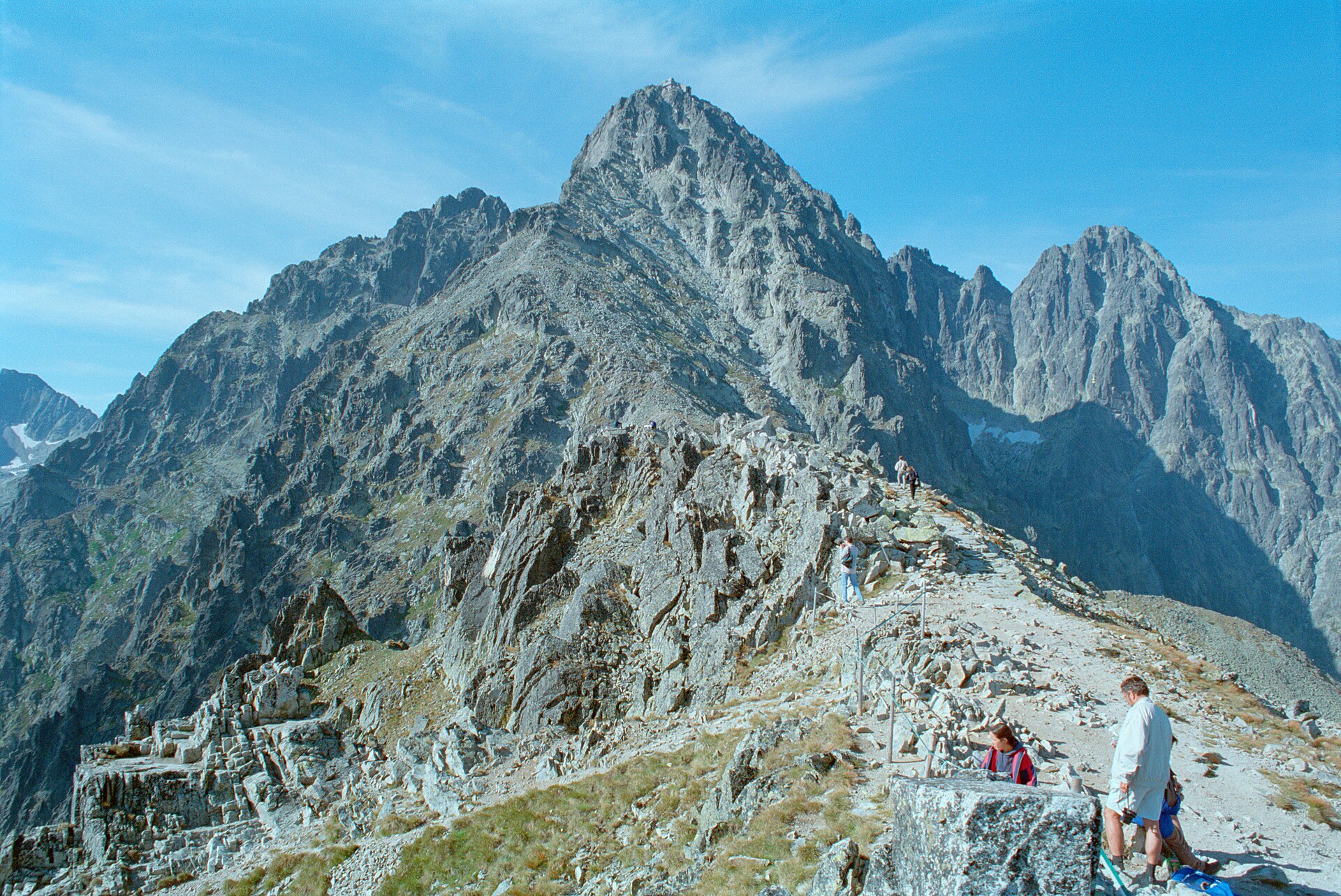
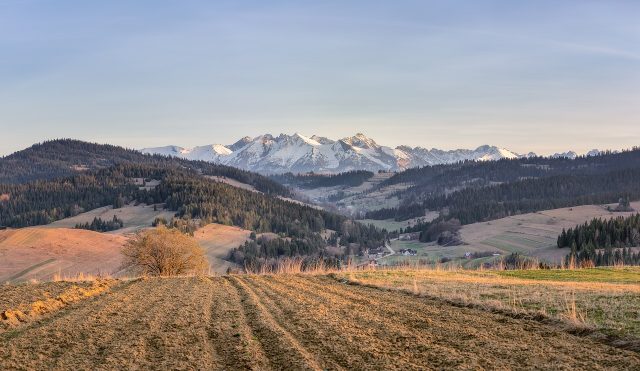
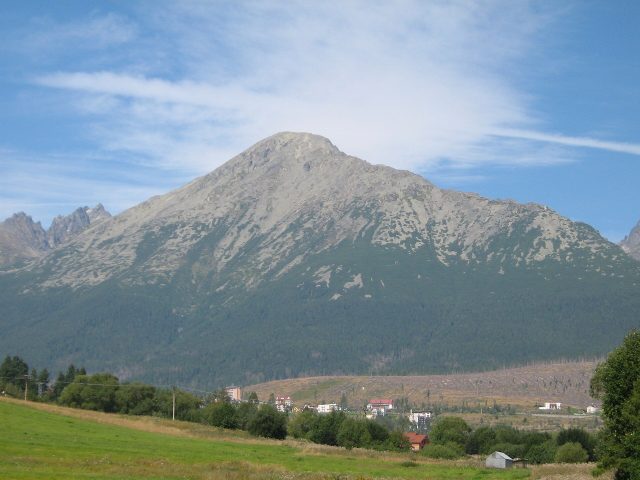
Lomnický štít isn’t just the highest peak in the western High Tatras—it’s one of those rare places where nature and human ingenuity come together so seamlessly that the mountain feels like it was always meant to be this way. Rising 2,634 meters above sea level, the summit is accessible not only by foot but also by a funicular that has been operating for over a century. It’s an unusual case where technology doesn’t spoil the landscape but instead makes it more approachable without stripping away its raw, untouched feel.
The funicular’s story began in 1937, when Slovak engineers set out to connect the mountain resort of Tatranská Lomnica with the summit. The construction was a challenge, demanding solutions for steep slopes, sheer cliffs, and harsh weather. Yet the result was worth the effort. The funicular became more than an engineering feat—it was a testament to how humans can integrate into a mountain landscape without destroying it. Today, it remains one of the oldest operating cable railways in Europe, and riding it isn’t just a way to save energy; it’s a chance to watch the vegetation transform as you ascend, from dense spruce forests to rocky slopes where only mosses and lichens cling to life.
The summit itself isn’t a sharp, jagged peak but a broad plateau surrounded by cliffs. This is where the real reward lies—the view that draws visitors from all over. On clear days, the entire High Tatras range unfolds before you, along with neighboring mountain chains, and sometimes even the Polish side of the Carpathians. In winter, snow blankets the slopes, turning the area into a playground for experienced skiers, though the runs are steep and unpredictable, far from beginner-friendly. Summer brings a different kind of visitor: hikers who come not just for the panorama but for that rare feeling of standing at the edge of the clouds, humbled by the vastness of the natural world.
At the top, there’s a small observatory built in the mid-20th century. It’s not open to the public, but its presence is symbolic. Mountains have always drawn people not just for their beauty but for the chance to look beyond the horizon, whether literally or metaphorically. Nearby, one of Slovakia’s highest weather stations monitors the rapidly changing conditions—sunshine can vanish in minutes, replaced by fog and howling winds. The staff here are used to the unpredictability, where a storm can roll in without warning.
Hiking to Lomnický štít is an adventure in itself. There are several routes, all demanding good physical condition. The most popular starts in Tatranská Lomnica, winding through the Studená voda valley, past waterfalls and rock formations. Along the way, mountain huts offer a place to rest and warm up with tea, though don’t expect luxury—this is real wilderness, not a resort. Climbers often take more challenging paths, like the one through Lomnické sedlo, where ropes and scrambling are necessary. Even the easiest route, though, leaves a lasting impression: every step is hard-earned, but every step brings you closer to that moment when the entire Tatras range stretches out before you.
In winter, Lomnický štít becomes part of one of Slovakia’s most famous ski resorts. There are no gentle slopes for beginners here—just steep descents that attract seasoned skiers. Snow covers the ground from November to May, sometimes longer, and the weather can shift dramatically. One day might be sunny and calm, the next a blizzard with near-zero visibility. That unpredictability is part of the appeal. For those who prefer to avoid the risk, the funicular offers a safe descent back to the valley, where warmth and comfort await.
But Lomnický štít isn’t just for adrenaline seekers. It’s also a place to stand still and reflect. Unlike some of the more crowded spots in the Tatras, you can often find solitude here, even in peak season. The air is thin and crisp, easy to breathe despite the altitude. In the silence, the wind whispers through the rocks, and sometimes the distant echo of falling stones reaches your ears. Time moves differently up here, away from the noise and rush of everyday life.
From the summit, the changing seasons paint the Tatras in different hues. Spring brings the first blooms, even at high elevations. Summer drapes the mountains in green, while the lakes in the valleys turn a vivid blue. Autumn sets the slopes ablaze with gold and crimson, and winter blankets everything in snow, transforming the landscape into something out of a fairy tale. Each season offers a new perspective, and each visit feels like a fresh encounter.
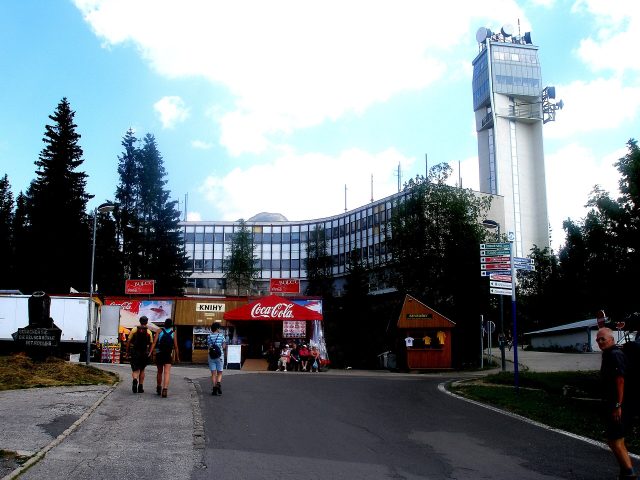
If you take the funicular, you’ll notice how the architecture of the stations evolves along the way. The lower station in Tatranská Lomnica is a modern building with large windows framing the valley. The middle station, at around 1,700 meters, is more modest but still blends into the surroundings. The upper station at the summit is a small structure, nearly invisible among the rocks. Everything here is designed with one purpose: to complement the mountain’s natural beauty, not overshadow it.
Lomnický štít stays with you long after you leave. It’s not just the view from the top that lingers, but the feeling of standing where the earth meets the sky. This isn’t just a mountain—it’s a symbol of everything the Tatras represent: ruggedness and grace, silence and power, change and constancy. You can return again and again, and each time, it reveals something new.