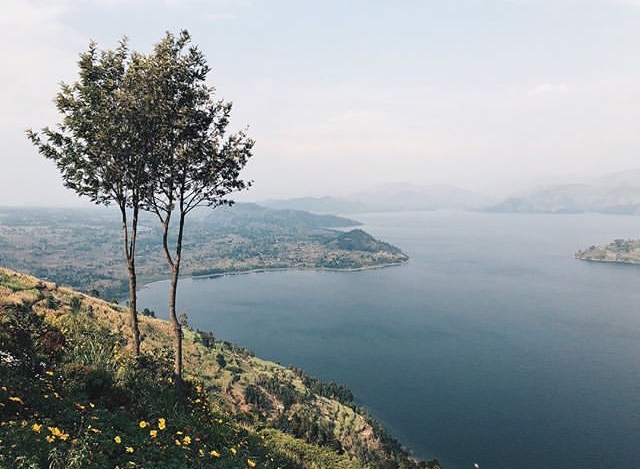
Lake Muhazi sits quietly in southern Rwanda, a short distance from the town of Nyanza, as if nature itself took its time painting the scene with deliberate, unhurried strokes. The shoreline shifts between gentle slopes and steeper hills, where dense forests spill down to meet the water, their reflections rippling across the surface. The lake’s stillness isn’t just the absence of waves—it feels like a quiet understanding between the land and the people who live here. For generations, Muhazi has been more than just a body of water; it’s a place where daily life, history, and culture intertwine, shaping the rhythm of the region.
The water here is clear, with a soft bluish tint that shifts as the day progresses. In the early morning, when mist lingers just above the surface, the lake takes on an almost otherworldly quality, as if holding its breath before the sun rises. By midday, the light dances across the water, turning it into a shimmering expanse that invites slow boat rides or leisurely walks along the shore. Fishermen set out before dawn, their small wooden boats cutting through the calm, and return by late morning with their catch—tilapia and catfish, often grilled over open fires in simple roadside stalls where the smell of smoke and spices lingers in the air.
Unlike the vast lakes of East Africa, Muhazi is modest in size, and that’s part of its charm. There are no crowds, no tourist traps, just a sense of quiet that feels increasingly rare. The lake is surrounded by small villages where life moves at its own pace. Farmers tend to banana groves and coffee plants, their fields stretching up the hillsides, while the water provides not just sustenance but a way of life. Along the shore, women wash clothes in the shallows, their laughter mixing with the sound of children splashing in the water. It’s an ordinary scene, yet one that feels timeless, as if the lake has always been here, and always will be.
Muhazi’s history is woven into Rwanda’s own. Long before colonial borders were drawn, the area was home to ancient settlements, and later, European missionaries and administrators left their mark on the landscape. Local stories speak of a water spirit that guards the lake, ensuring its purity and abundance. Whether or not you believe in such tales, there’s no denying the lake’s vitality—it teems with fish, and its waters remain remarkably clean, making it an important ecological site in the region.
There are no grand buildings here, no monuments or museums. Instead, the architecture is the landscape itself, with traditional round huts scattered along the shore, their thatched roofs blending seamlessly into the surroundings. These homes, built with mud bricks and grass, have been constructed the same way for centuries, passed down through generations. In recent years, a few small guesthouses and eco-lodges have appeared, but they’re unobtrusive, designed to let visitors experience the lake without disrupting its natural harmony.
For those who come seeking more than just relaxation, Muhazi reveals itself slowly. A visit to one of the nearby villages offers a glimpse into Rwandan traditions—how meals are prepared over open fires, how baskets are woven from local grasses, or how stories are shared under the shade of a tree. The experience is even richer during festivals, when drummers fill the air with rhythm, dancers move in sync, and the scent of roasting meat and spices drifts through the village. It’s not a performance for tourists; it’s life as it’s always been lived here.
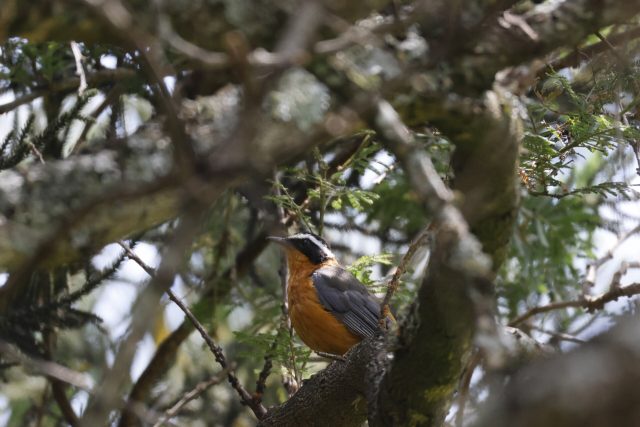
This isn’t a place for luxury resorts or crowded attractions. What Muhazi offers instead is something harder to find—a sense of authenticity, a connection to the land and the people who depend on it. Travelers who spend time here often leave with the feeling that they’ve stepped into a different pace of life, one where moments aren’t rushed, and every detail, from the call of a bird to the taste of fresh fish, feels meaningful.
If you find yourself in Rwanda, don’t rush past Muhazi on your way to the capital or the national parks. Take a day or two to sit by the water, to watch the light change over the hills, to listen to the sounds of the lake and the villages around it. You might not leave with dramatic stories or Instagram-worthy photos, but you’ll carry something quieter, something deeper—a reminder of how beautiful the world can be when you let it unfold at its own pace.