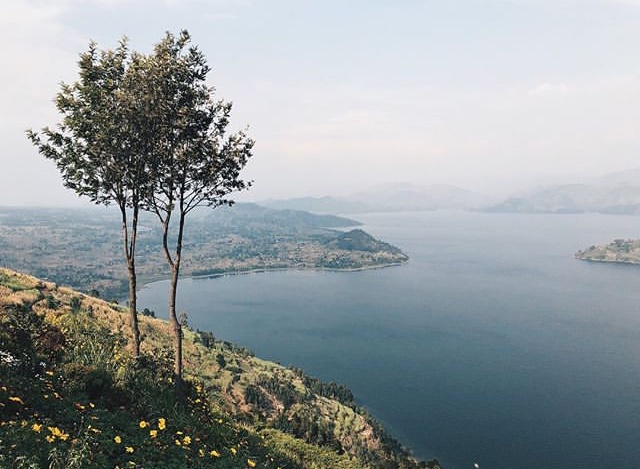
Perched on a gentle hill overlooking the town of Nyanza and the rolling green hills beyond, the church here is more than just a place of worship. It stands as a quiet witness to Rwanda’s layered past, where the echoes of monarchy, colonial influence, and the slow march of time still linger in its stone walls. Nyanza was once the heart of the Rwandan kingdom, a place where decisions shaping the nation’s future were made, and the church became a symbol of the changes that swept through the country with the arrival of European missionaries.
Built in the early 20th century, when Rwanda was first under German rule and later under Belgian administration, the church blends European architectural traditions with local touches. Its high vaulted ceilings and thick stone walls give it a sturdy, timeless presence, while the intricate patterns on the facade reflect the craftsmanship of the region. Inside, the space feels open and airy, with tall windows filtering soft light that spills across the wooden pews and simple altar. The atmosphere is one of quiet reverence, a place where the outside world fades into the background.
For generations, Nyanza served as the royal capital, and the church played a central role in the life of the court. It wasn’t just a place for prayer—important gatherings took place here, where matters of state and community were discussed under its roof. Even after the monarchy ended in 1961, the church remained a spiritual anchor for the people of Nyanza. Today, it continues to draw worshippers, especially on Sundays, when the sound of hymns fills the air and the scent of incense mingles with the warmth of freshly baked bread from nearby homes.
The town itself is small and unhurried, a place where life moves at its own pace. Narrow streets wind between clay and stone houses, and the local market bustles with the colors of ripe bananas, vibrant fabrics, and piles of fresh vegetables. The church overlooks it all, a steady presence that connects the past with the present. For visitors, it offers more than just a glimpse of history—it’s a chance to step into the rhythm of Rwandan life, to see how the country’s traditions and daily routines have endured over time.
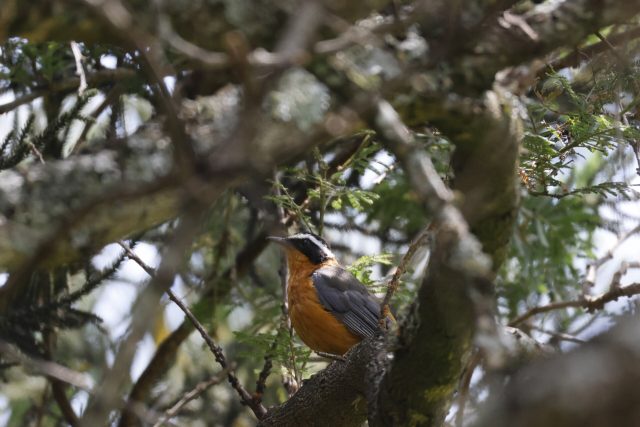
Beyond the church, Nyanza has other points of interest, like the former royal palace, now a museum. But the church holds a different kind of significance. There’s a stillness here, a sense that time slows just a little. You can sit on one of the benches outside, listen to the birds in the old trees, and imagine the generations of people who have walked through its doors—the kings and commoners, the worshippers and the curious, all leaving their mark on this quiet hill.
Rwanda is a country of contrasts, where the weight of history sits alongside the promise of the future. The church in Nyanza embodies that duality. It isn’t grand or imposing, but in its simplicity, it carries the stories of those who came before and those who still gather here today. For travelers, it’s a place to see Rwanda beyond its headlines, to understand how the past shapes the lives of the people who call this place home. The church doesn’t demand attention—it invites reflection, offering a moment of connection to something deeper than the road that brought you here.