The Saken Ibraimov Music and Drama Theatre sits quietly in the heart of Osh, a city where the past and present blend seamlessly. Unlike grand metropolitan stages, this theatre feels like a natural part of the city’s rhythm—less a monument to art and more a living space where stories unfold night after night. Its walls have absorbed decades of performances, from the first tentative rehearsals to standing ovations, and if you listen closely, you might still hear the echoes of applause from years gone by.
Built in the mid-20th century, the theatre’s architecture reflects the era’s optimism and the desire to create something both modern and distinctly local. The façade is a mix of clean Soviet lines and subtle Kyrgyz motifs, a quiet nod to the cultural fusion that defines Osh. Inside, the high ceilings and spacious foyer give the impression of airiness, while the soft light filtering through large windows softens the space, making it feel welcoming rather than imposing. It was never meant to be just a building—it was designed as a gathering place, a testament to the idea that art could bridge divides in a city where Uzbeks, Kyrgyz, Russians, and others have long shared the same streets.
The theatre bears the name of Saken Ibraimov, a figure who shaped Kyrgyz theatre in ways that still resonate today. More than just an actor or director, Ibraimov was a cultural force, someone who believed in the power of storytelling to reflect and shape society. His legacy lives on in the theatre’s programming, which balances reverence for tradition with a willingness to experiment. Here, you might see a classic Kyrgyz epic one night and a reimagined version of Chekhov the next. The repertoire is a conversation between the familiar and the new, between local voices and universal themes.
What makes the theatre special is its ability to feel both timeless and immediate. Performances often incorporate music, whether it’s the haunting melodies of traditional Kyrgyz instruments or the more contemporary sounds of a modern score. The language of the stage shifts too—some plays are in Kyrgyz, others in Russian—reflecting the linguistic diversity of the audience. This isn’t a place where art exists in isolation; it’s woven into the fabric of daily life, something people discuss over tea in the foyer or argue about on the way home.
The audience is as much a part of the theatre’s character as the actors on stage. On any given evening, you’ll find a mix of generations—students in their twenties, older couples who’ve been coming for decades, families introducing their children to the magic of live performance. There’s a sense of shared ownership here, a feeling that the theatre belongs to the city as much as the city belongs to it. The atmosphere is warm but never stuffy; lively, but without the frenetic energy of a big-city venue. It’s the kind of place where strangers might strike up a conversation during intermission, comparing notes on the actors’ performances or reminiscing about past shows.
Beyond the main stage, the theatre serves as a training ground for the next generation of artists. Its acting studio offers young performers a chance to hone their craft, while workshops and masterclasses provide deeper insights into the world of theatre. For many in Osh, this is where their love of drama begins—whether they go on to pursue it professionally or simply carry the experience with them as a cherished memory. The theatre doesn’t just put on shows; it nurtures the curiosity and creativity of those who walk through its doors.
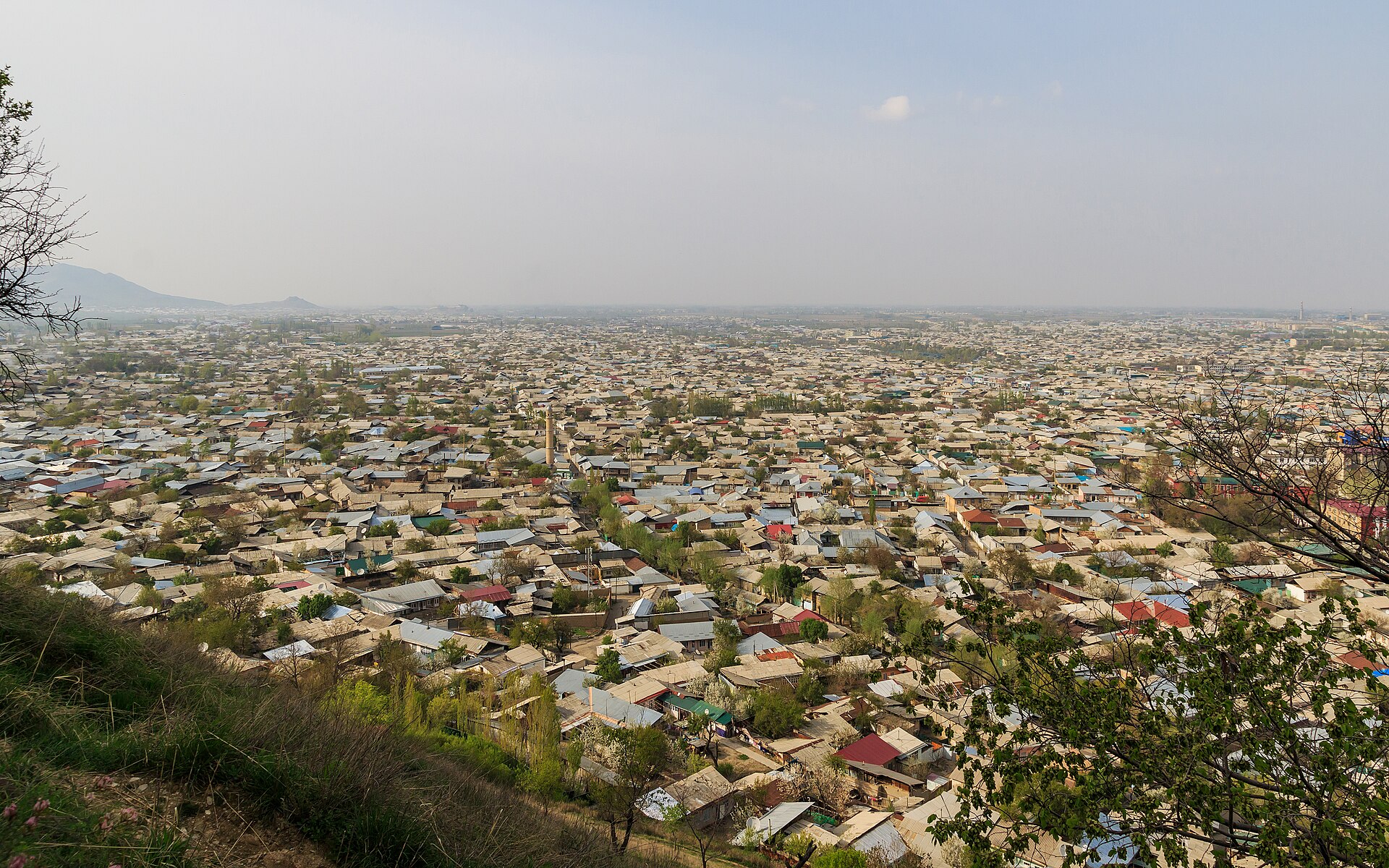
Osh itself is a city of layers, where ancient history and modern life coexist. The theatre fits naturally into this landscape, standing near the bustling Jayma Bazaar and the sacred slopes of Sulayman Mountain. Yet it holds a unique place in the city’s identity. While other landmarks tell stories of the past, the theatre is a living archive, constantly evolving. It’s not a museum piece but a space where culture breathes, where the stories of today are given the same weight as those of yesterday.
For visitors, the theatre offers a different perspective on Osh—one that goes beyond its reputation as a gateway to the mountains or a stopover on the way to Issyk-Kul. Here, the city reveals itself as a place with deep cultural roots, where art isn’t just for tourists but a vital part of community life. The plays performed on its stage might explore universal themes—love, loss, ambition—but they do so through a distinctly local lens. In that way, the theatre becomes more than a venue; it’s a bridge between worlds, a reminder that the most enduring stories are those that speak to all of us, no matter where we come from.