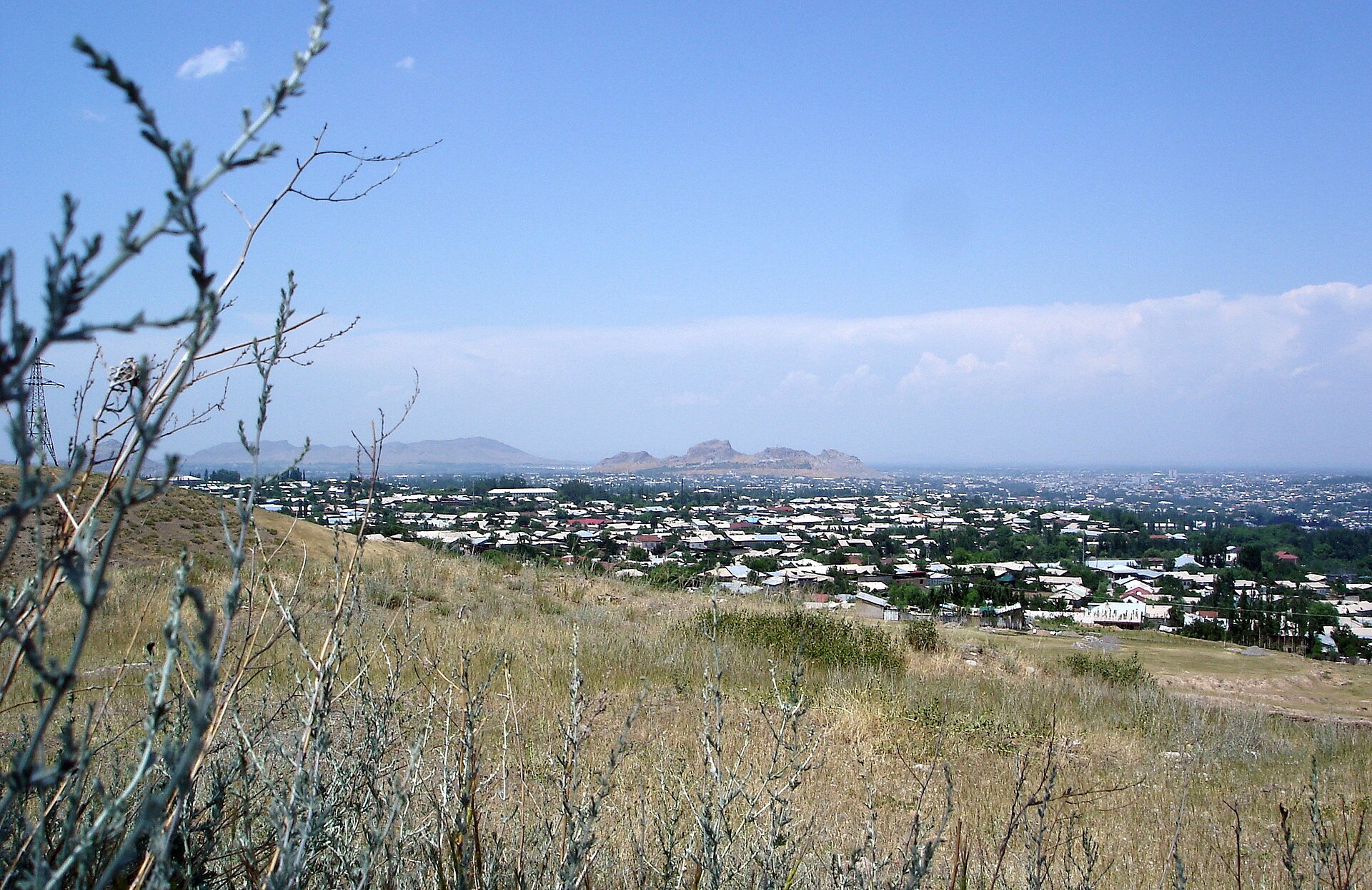
Rising from the heart of Osh, Sulayman Mountain feels like an ancient guardian watching over the city, its gentle slopes shaped by time into something resembling a resting camel. For centuries, it has been more than just a landmark—it’s a living part of the city’s identity, known locally as Takht-i-Suleiman, or Solomon’s Throne. The name ties it to the biblical prophet Solomon, who, according to legend, once passed through these lands. Stories say the mountain holds healing powers, and many still climb to its peak, squeezing through a narrow crevice in the rock in hopes of leaving their ailments behind. It’s a place where pilgrims, travelers, and locals come together, drawn by faith, curiosity, or the quiet promise of something greater.
Sulayman Mountain isn’t just a natural formation; it’s an open-air museum where every stone carries traces of the past. Archaeologists have found evidence of human settlement here dating back to the Bronze Age, long before the Silk Road turned this region into a crossroads of trade and culture. Merchants, nomads, and warriors once rested at its base before continuing their journeys through the Fergana Valley. The mountain’s slopes are marked with petroglyphs—carvings of animals, hunting scenes, and symbols left by people who lived here thousands of years ago. These silent witnesses to history offer a glimpse into the lives of those who once called this place home.
By the Middle Ages, the mountain had taken on deep religious significance. A small mausoleum dedicated to the prophet Sulayman was built at its summit, becoming a site of pilgrimage for Muslims. Later, during the Kokand Khanate, a mosque and madrasa were added, turning the mountain into a spiritual center for the region. Today, the remnants of these structures still stand, along with a small cave where, according to tradition, the prophet himself once prayed. Inside, faint Arabic inscriptions hint at the mountain’s role as a place where faith and commerce once intertwined.
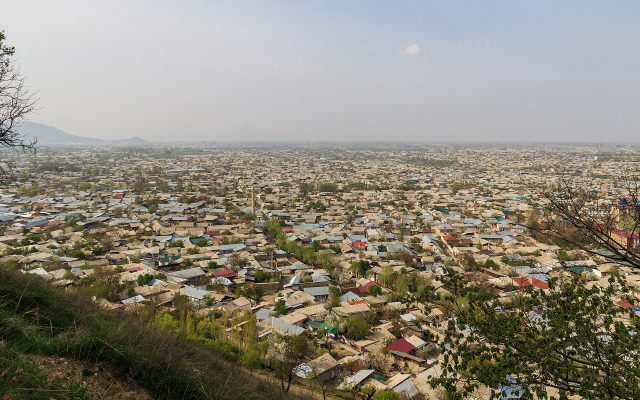
Climbing Sulayman Mountain is more than just a hike—it’s a journey through layers of history. The narrow paths wind between rocks, leading to several viewpoints where the city of Osh unfolds below. The best time to visit is at sunset, when the light softens, casting long shadows across the slopes and painting the sky in shades of gold and pink. The summit is always alive with activity: some come to take photographs, others sit quietly on the stones, and a few pause to pray, touching the walls of the cave as if seeking a connection to the past.
What makes Sulayman Mountain special is how seamlessly it blends into the rhythm of everyday life. At its base, the bustling Osh Bazaar spills out in a riot of color and sound, where vendors sell everything from fresh fruit to handwoven carpets. Meanwhile, on the mountain itself, you might see elderly locals sharing stories with their grandchildren, young couples strolling along the paths, or traders setting up small stalls with souvenirs. This contrast between the ancient and the modern gives the mountain its unique character—it’s not just a relic of history but a place that continues to evolve alongside the city.
In 2009, Sulayman Mountain was designated a UNESCO World Heritage Site, a recognition of its cultural and historical importance. Yet despite this status, it remains a place that feels open and unpretentious. There are no rigid rules here, just an unspoken respect for the land and its stories. You can visit at dawn, when the city is still quiet, or linger until evening, when the lights of Osh begin to flicker below and the mountain seems to come alive in the twilight.
For many in Kyrgyzstan, Sulayman Mountain is more than a tourist attraction—it’s a symbol of national identity. It serves as a reminder that even in a rapidly changing world, some places retain their magic across centuries. Standing at its summit, it’s easy to understand why people have been drawn here for thousands of years. The mountain doesn’t just preserve the past; it invites you to step into it, one footstep at a time.