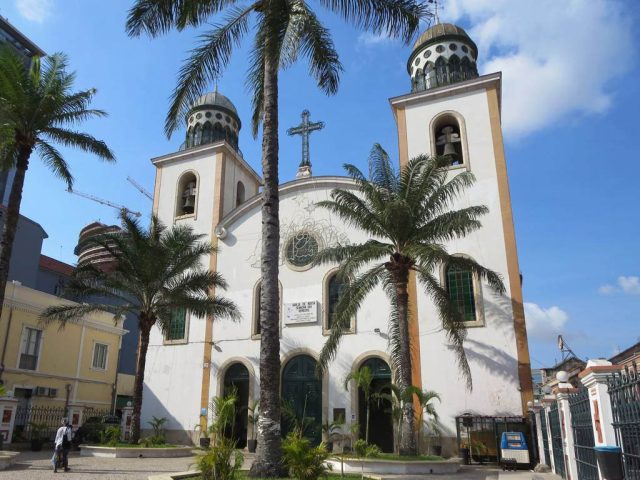
The National Museum of Slavery in Luanda is one of those rare places where history isn’t just preserved behind glass—it lingers in the very air, in the weight of the stones beneath your feet. Perched on a small peninsula that was once the heart of the transatlantic slave trade along Africa’s western coast, the museum stands where thousands of people were torn from their homes and loaded onto ships bound for the Americas. The building itself, the former Chapel of the House of the Slaves, was constructed in 1710 by Portuguese colonizers. Its walls have absorbed centuries of prayers, curses, and the quiet despair of those who passed through its doors, never to return.
Inside, the museum is small but deliberate. The exhibits are sparse, yet every object carries a heavy significance. Rusting chains, iron shackles, and branding tools used to break resistance are displayed without fanfare—they don’t need explanation. Nearby, yellowed documents from the era tell their own stories: bills of sale, court records, and letters between slave traders. Together, they create an unsettling sense of timelessness, as if the past hasn’t quite faded into the background.
One of the most haunting spaces is the so-called "Room of Farewell." According to local accounts, this is where enslaved people were brought for a final, cynical ritual before being shipped across the ocean. They were baptized here, a hollow gesture that allowed the church to sanctify the trade under the guise of saving souls. Today, the room is empty, but the silence feels charged, as if the echoes of those last moments still hang in the air. Visitors often linger here, trying to imagine the fear and resignation of those who stood in this same spot centuries ago.
Outside, a quiet memorial garden extends toward the Atlantic. Sculptures and plaques honor the victims of the trade, including a striking figure of a chained man with his head held high—a symbol of defiance in the face of oppression. A granite slab bears inscriptions in multiple languages, a reminder that this was not just an African tragedy, but a global one. From here, the ocean stretches endlessly, its waves carrying the weight of countless broken lives.
What makes this museum different from many others is its restraint. There’s no grand spectacle, no attempt to dramatize the past. Instead, the space is almost austere, allowing the history to speak for itself. It doesn’t seek to shock or entertain; it asks visitors to confront a truth that is uncomfortable but necessary. The museum’s power lies in its simplicity—it doesn’t need embellishment to leave a lasting impression.
For Angola, the museum holds a particular significance. The country was a major hub of the transatlantic slave trade, and its legacy is still woven into the fabric of Angolan society. After gaining independence in 1975, the museum became a symbol of resistance and the ongoing struggle for dignity. Today, it’s not just a tourist attraction but an essential stop for local students, who learn here about a chapter of history that shaped their nation. For many, it’s more than a field trip—it’s a connection to their own past.
In recent years, the museum has expanded its role beyond static exhibits. It now hosts lectures and temporary displays that explore broader themes of colonialism, racism, and human rights. These events turn the space into a living forum for dialogue, though even without them, the museum’s impact is profound. It doesn’t need to be flashy or overstated; its quiet presence is enough to leave visitors with a sense of unease—and reflection.
Visiting the National Museum of Slavery isn’t an easy experience. There’s no way to distance yourself from the weight of what happened here, no pretty words to soften the reality. It’s a place where the past feels immediate, where every visitor becomes a witness to a history that refuses to be forgotten. And perhaps that’s why it matters so much—it reminds us that freedom isn’t guaranteed, that it’s something that must be fought for, again and again.