Narva Museum is one of those places where history feels almost tangible, not just because of the exhibits but because of the very walls that house them. The museum is spread across several buildings, each with its own story, but the most striking is undoubtedly the Narva Castle. Standing on the banks of the Narva River, right on the border with Russia, the castle has witnessed centuries of shifting powers, wars, and quiet everyday life. Its massive stone walls and towers, built in the 13th century by the Danes, still dominate the skyline, a reminder of how this small Estonian town has always been a crossroads of cultures and conflicts.
The castle itself is a fascinating study in medieval military architecture. The original fortress was constructed to defend against Livonian and Russian forces, and over the centuries, it was expanded and reinforced by successive rulers—Swedes, Russians, and Germans—each leaving their mark. The Hermann Tower, the tallest part of the castle, offers a sweeping view of the river and the Ivangorod Fortress on the opposite bank, a Russian counterpart that has mirrored Narva’s own turbulent history. Walking through the castle’s courtyards and halls, you can almost hear the echoes of clashing swords and the murmur of merchants who once traded here.
Inside the museum, the exhibits trace Narva’s history from its earliest days as a trading post to its role in the 20th century. The displays are thoughtful, blending artifacts with context—medieval weapons, household items from different eras, and photographs that capture the city’s dramatic changes. One of the most compelling sections focuses on the Great Northern War, when Peter the Great’s forces besieged and eventually captured Narva in 1704. The battle was a turning point in the war, and the museum doesn’t shy away from the human cost of such conflicts, presenting personal stories alongside military strategy.
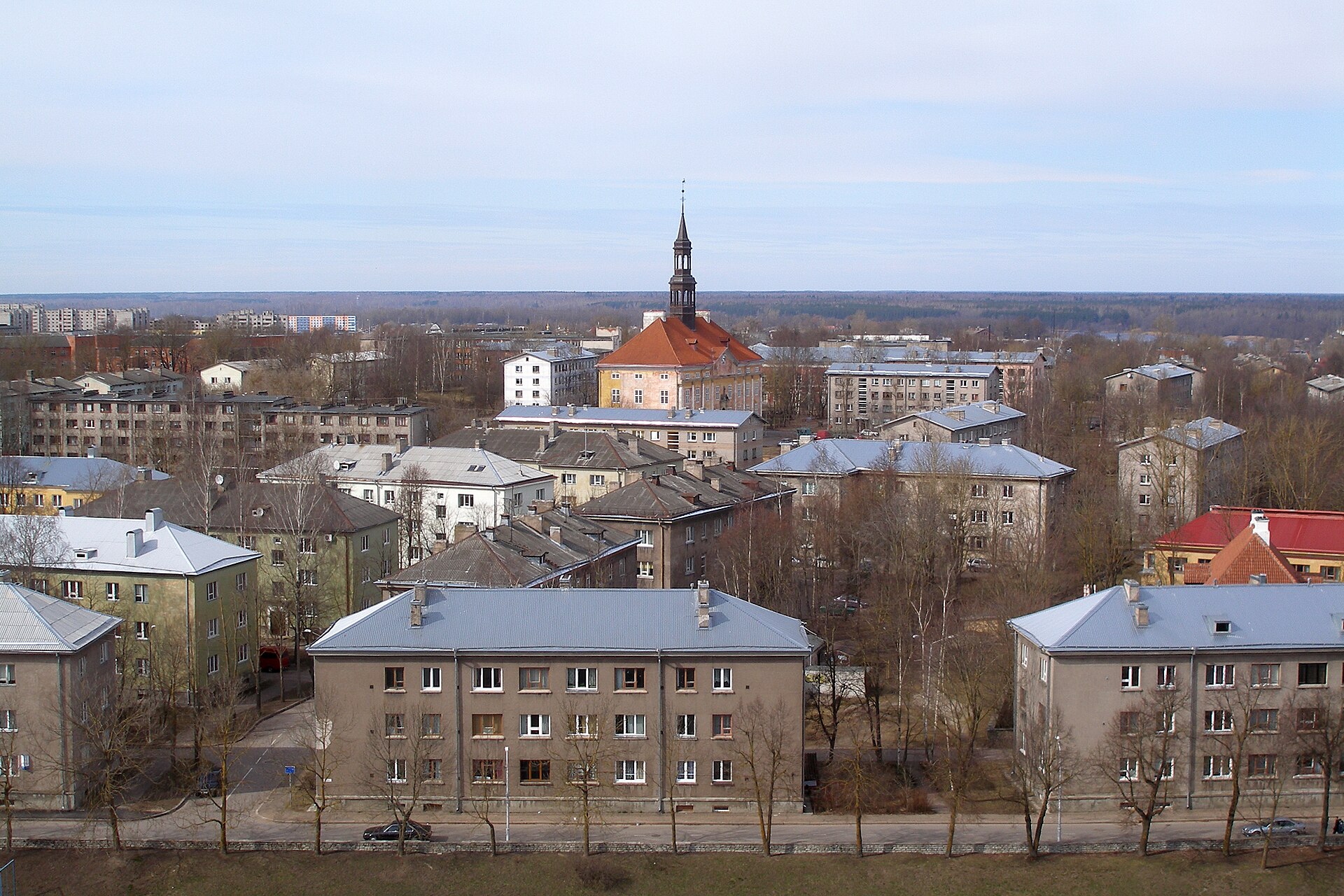
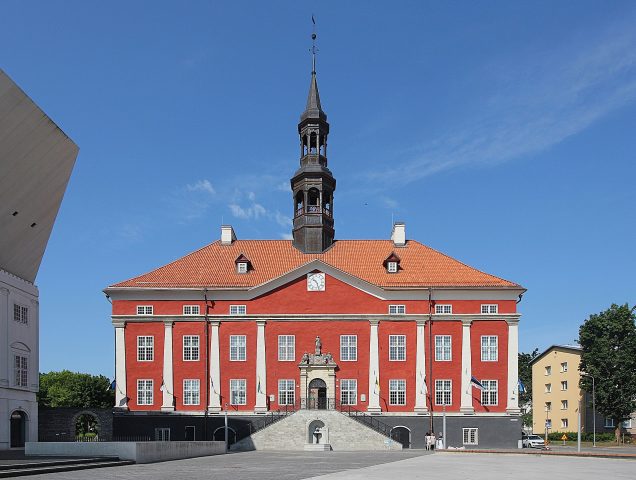
Beyond the castle, the museum includes the Narva Town Hall, a Baroque gem built in the 17th century when the city was under Swedish rule. The building’s elegant facade and grand interior reflect the prosperity Narva enjoyed during this period, though much of it was later destroyed in World War II. The museum has carefully restored parts of the hall, and today it hosts temporary exhibitions that often explore themes of identity, migration, and the Baltic region’s complex past. The contrast between the austere castle and the refined town hall is a reminder of how Narva has always been a place of contrasts—military might and civic pride, destruction and renewal.
The museum also manages the Kreenholm Manufacturing Complex, a former textile mill that was once one of the largest in the Russian Empire. The industrial site, with its towering brick chimneys and vast factory floors, tells a different kind of story—one of labor, innovation, and the rise of modern industry. The exhibits here focus on the lives of the workers, many of whom were women, and the social changes that came with industrialization. It’s a stark reminder that Narva’s history isn’t just about battles and rulers but also about the people who built and sustained the city.
What makes Narva Museum special is its unflinching honesty about the past. Estonia’s history is often told through the lens of occupation and resistance, and while that narrative is certainly present here, the museum also highlights the everyday resilience of the people who called Narva home. The exhibits don’t just celebrate victories or mourn defeats; they show how life went on, how traditions persisted, and how the city reinvented itself time and again. There’s a sense of quiet pride in the way the museum presents Narva’s story—not as a footnote in someone else’s history, but as a place with its own distinct identity.
Visiting the museum is as much about the location as it is about the exhibits. Narva itself is a city that feels like it’s on the edge of something, whether it’s the edge of a country, a culture, or a historical moment. The river that divides Estonia from Russia is narrow here, and on a clear day, you can see the Ivangorod Fortress looming on the other side. The border isn’t just a line on a map; it’s a physical presence, a reminder of how geography shapes destiny. The museum doesn’t try to smooth over these complexities but instead invites visitors to sit with them, to consider what it means to live in a place where history is always close at hand.
For those who take the time to explore, Narva Museum offers more than just a lesson in history. It’s a chance to step into a world where the past isn’t just remembered—it’s still alive in the stones of the castle, the hum of the old factory, and the stories of the people who have called this place home. Whether you’re drawn by the architecture, the history, or simply the atmosphere of a border town, the museum provides a quiet but powerful experience, one that lingers long after you’ve left its walls.