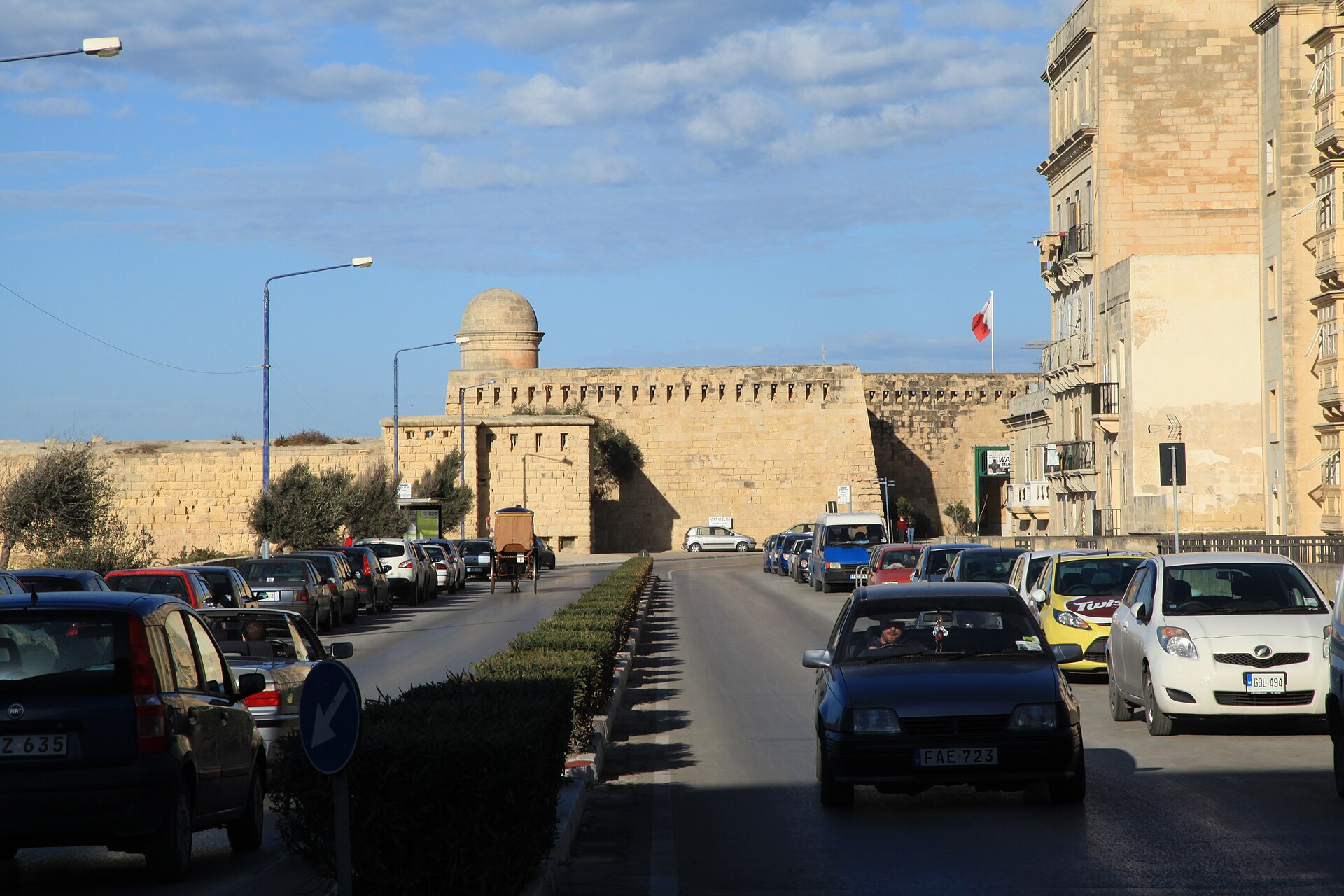
The National War Museum in Victoria stands as a quiet witness to Malta’s turbulent past, where centuries of conflict and resilience have shaped the island’s identity. Housed within the imposing Fort Saint Elmo at the tip of the Valletta peninsula, the museum occupies a space that has seen some of the most dramatic moments in Maltese history. The fort itself is a fortress within a fortress, its thick limestone walls bearing the scars of sieges, bombardments, and the relentless passage of time. Built in the 16th century by the Knights of St John, it was designed to guard the entrance to the Grand Harbour, a role it fulfilled with grim determination during the Great Siege of 1565, when Ottoman forces laid waste to much of the island. The fort’s strategic importance never waned—during World War II, it endured some of the heaviest aerial bombardments in history, its guns firing back at waves of Axis planes in a desperate bid to protect the island’s harbours and airfields.
The museum’s collections trace Malta’s military history from antiquity to the modern era, though its focus is most sharply defined by the two world wars, particularly the Second. The exhibits begin with relics from the Bronze Age, when the islands were first fortified by early settlers, but it’s the more recent conflicts that dominate the narrative. One of the most striking displays is dedicated to the George Cross, the civilian award bestowed upon Malta by King George VI in 1942 in recognition of the island’s collective bravery under siege. The cross itself, along with the original citation, is displayed in a simple glass case, its understated presentation belying its profound significance. For Maltese people, it remains a symbol of endurance, a reminder of the 3,000 air raids, the 15,000 tons of bombs, and the thousands of lives lost during the war.
The museum does not shy away from the human cost of conflict. Personal stories are woven into the exhibits, from the letters of soldiers and airmen to the diaries of civilians who lived through the war. One display features the wreckage of a Hawker Hurricane, its twisted metal frame a stark reminder of the aerial battles that raged over Malta in 1940-42. The plane, recovered from the seabed, belonged to a pilot who was shot down during one of the many dogfights that took place in the skies above the island. Nearby, a reconstruction of an air raid shelter offers a glimpse into the claustrophobic conditions endured by families who spent nights huddled underground, listening to the drone of bombers overhead. The shelter’s rough-hewn walls and dim lighting evoke the fear and uncertainty of those years, a contrast to the museum’s more polished displays.
Beyond the war years, the museum also explores Malta’s role in earlier conflicts, including the Napoleonic Wars and the Crimean War, when the island served as a crucial British naval base. Exhibits on the Knights of St John highlight their military prowess and the legacy of their rule, which lasted until Napoleon’s brief occupation in 1798. The fort’s own history is intertwined with these events—its walls have been breached, rebuilt, and repurposed time and again, each layer of stone telling a different story. One of the most intriguing artifacts is a 16th-century cannon, its barrel still bearing the coat of arms of the Order of St John, a silent testament to the knights who once defended these shores.
The architecture of Fort Saint Elmo is as much a part of the museum’s story as the artifacts it contains. The fort’s design reflects the military engineering of its time, with bastions angled to deflect cannon fire and underground tunnels that once housed gunpowder stores. The central courtyard, now a quiet space, was once a hive of activity, where soldiers drilled and cannons were readied for battle. The fort’s chapel, dedicated to St Anne, offers a moment of reflection amid the displays of weaponry and warfare. Its simple interior, with its vaulted ceiling and flickering candlelight, provides a stark contrast to the brutality of the exhibits outside.
Visiting the museum is not just about observing history—it’s about understanding the resilience of a people who have repeatedly found themselves at the crossroads of empires. Malta’s strategic location in the Mediterranean made it a prize worth fighting for, and the National War Museum captures the island’s role as both a battleground and a survivor. The exhibits are arranged chronologically, but the stories they tell are not confined to the past. The echoes of war linger in the fort’s stone corridors, in the faded photographs of soldiers and civilians, and in the personal belongings that have been preserved—each one a fragment of a larger, often painful, narrative.
For those who take the time to explore beyond the main exhibits, the fort itself offers a deeper connection to Malta’s military history. The outer walls provide sweeping views of the Grand Harbour, where the waters still ripple with the memory of convoys and battleships. The gun emplacements, though silent now, once bristled with artillery, their barrels trained on the horizon. The fort’s underground passages, some of which are accessible to visitors, lead to chambers that once stored ammunition and supplies, their cool, damp interiors a reminder of the logistical challenges of warfare. Walking through these spaces, it’s easy to imagine the tension that must have filled the air during times of conflict, the anticipation of an attack, the relief of a narrow escape.
The National War Museum is not a place for glorifying war, but rather for acknowledging its impact on a nation that has repeatedly found itself in the line of fire. The exhibits are presented with a sense of solemnity, allowing visitors to engage with the material on their own terms. There are no grand narratives of victory or defeat here, only the quiet recognition of what was endured. For many Maltese, the museum is a place of remembrance, a way to honour those who lived through the darkest chapters of the island’s history. For visitors, it offers a chance to see Malta not just as a sun-drenched holiday destination, but as a place with a complex, often difficult past—one that has shaped its people, its culture, and its sense of identity. The fort’s walls, weathered by time and conflict, stand as a testament to that resilience, a reminder that history is not just something to be read about, but something to be felt.