Taichung’s National Theater and Concert Hall is one of those rare places where modern architecture and cultural tradition coexist without overshadowing each other. The building doesn’t dominate the cityscape with sheer size but rather with its thoughtful design and harmony with its surroundings. There’s no forced grandeur here, no attempt to impress with scale alone. Instead, every element serves a purpose—whether it’s the acoustics of the halls, the comfort of the audience, or simply the pleasure of looking at something well-made.
The idea for the complex took shape in the late 1990s, when Taichung decided it needed a dedicated space for the performing arts. By then, the city had already established itself as the cultural heart of central Taiwan, but it lacked a venue capable of hosting major international productions. The design had to account for local conditions—climate, seismic activity, even the nuances of Taiwanese architectural traditions. The result was a building that doesn’t mimic Western models nor cling rigidly to ancient styles. It stands on its own, a quiet statement of what contemporary architecture can achieve when it listens to its environment.
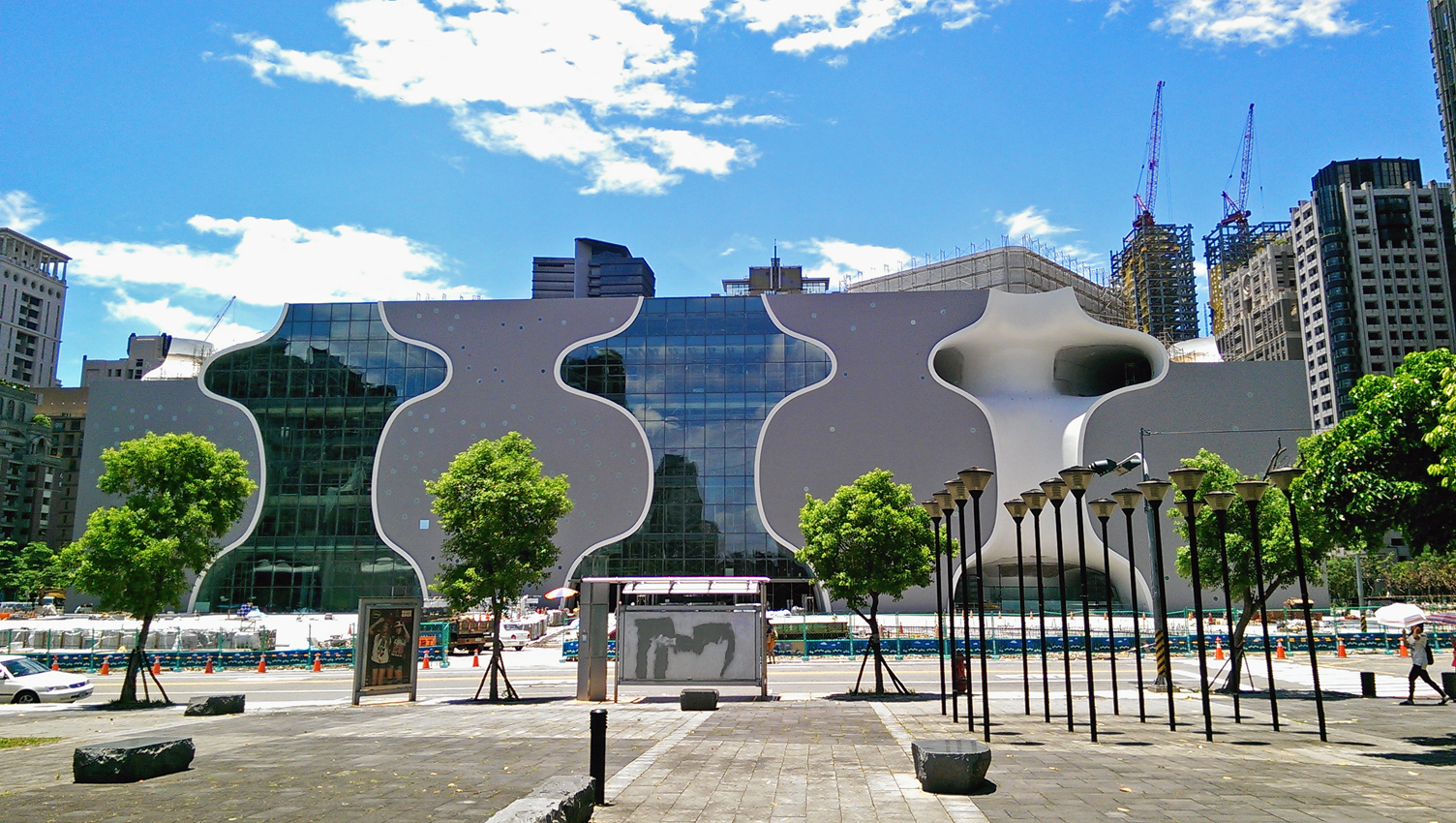
The architecture is a conversation between function and symbolism. The exterior is clad in pale stone that catches the sunlight, shifting in tone as the day progresses. The roof curves gently, evoking waves or mountain slopes—subtle nods to the natural motifs that have long been part of Chinese aesthetics. The entrance is understated: wide steps lead to a spacious foyer where visitors can linger before a show or during intermission. Inside, the focus is on acoustics. The walls and ceilings of the halls are lined with materials that ensure clarity of sound, a detail that makes all the difference for classical music and opera.
The main concert hall seats around fifteen hundred and is designed primarily for symphonic and chamber music. The interior is warm, with natural wood tones that make the large space feel intimate. The organ on stage is one of the largest in Taiwan, and its presence often shapes the programming, drawing performers and audiences alike. The theater hall is smaller but equally well-equipped, hosting operas, ballets, and plays. The stage is fitted with modern mechanisms for quick set changes, allowing for seamless transitions between scenes.
Beyond the main halls, the complex feels alive with activity. Exhibition galleries regularly feature contemporary art, while a small cinema screens arthouse films and classic retrospectives. In the summer, the inner courtyard becomes an open-air venue for concerts and film screenings, a favorite spot for locals to gather. Musicians sometimes play impromptu sets, and visitors can sit with a cup of tea, watching the city go by.
The theater and concert hall are more than just a venue—they’re part of Taichung’s cultural ecosystem. The complex collaborates closely with local schools, offering stages for student performances from music and theater departments. Masterclasses and lectures by visiting artists are common, giving audiences a chance to engage with the creative process. For many Taiwanese performers, appearing here is a career milestone, while for audiences, it’s an opportunity to experience world-class art without leaving the island.
The atmosphere shifts depending on the time of day. During the afternoon, the building is quiet, with staff preparing for evening performances and visitors wandering through the galleries. By nightfall, it comes alive—cars pull up, delivering elegantly dressed patrons, and the air fills with laughter and conversation. Inside, the halls hum with anticipation, and even first-time visitors quickly sense the excitement. After the show, the crowd lingers in the cafes and terraces, discussing what they’ve just seen.
What makes this place special is how it bridges different worlds. There’s no strict divide between high art and popular culture—one hall might host Beethoven while another features traditional Chinese opera. This mix makes the complex feel accessible to everyone, drawing a diverse crowd. For tourists, it’s a chance to experience Taiwan’s cultural scene; for locals, it’s a place they return to again and again.
In recent years, the theater and concert hall have become an architectural landmark for Taichung. The building appears on postcards and in travel guides, and its design is often highlighted in discussions of contemporary architecture. Yet it hasn’t become a museum piece. It continues to evolve, hosting new productions, experimenting with formats, and remaining open to anyone who appreciates art. That, perhaps, is its greatest strength—it doesn’t just preserve tradition but helps shape what comes next.