Sagarmatha National Park is one of those rare places where nature doesn’t just exist—it commands everything, including human imagination. Tucked into the northeastern corner of Nepal, in the Solukhumbu District, the park encompasses a vast stretch of the Himalayas, including the highest point on Earth, Mount Everest. There are no clear boundaries here between the ordinary and the extraordinary. Every step through the park feels like an encounter with landscapes that weren’t made for visitors, but for their own raw, untamed beauty. Jagged peaks, glaciers, deep gorges, and alpine meadows come together in a scene where humans are only temporary guests, humbled by the scale of what surrounds them.
Established in 1976, Sagarmatha became Nepal’s first UNESCO World Heritage Site. Its creation wasn’t just about preserving a unique ecosystem; it was also an effort to protect the culture of the people who call these mountains home, particularly the Sherpa community. For them, these peaks aren’t just scenery—they’re sacred ground. The name Sagarmatha, meaning "forehead of the sky" in Nepali, captures how the mountain is seen by those who live in its shadow. To the Sherpa, Everest is Chomolungma, the "Goddess Mother of the World," and even today, many approach it with reverence, performing rituals and offering prayers before attempting to climb.
The park covers over a thousand square kilometers, spanning elevations from around two thousand to nearly nine thousand meters above sea level. This dramatic range creates distinct climate zones, from subtropical forests in the lower valleys to permanent snow and ice near the summits. In spring, rhododendrons burst into bloom, painting the hillsides in shades of red and pink. Higher up, coniferous forests of Himalayan cedar and pine give way to alpine meadows, and beyond that, only the hardiest plants, like the snow lotus, survive. The wildlife is just as varied: snow leopards, Himalayan tahrs, red pandas, and dozens of bird species, including the iridescent Himalayan monal, thrive in this rugged environment.
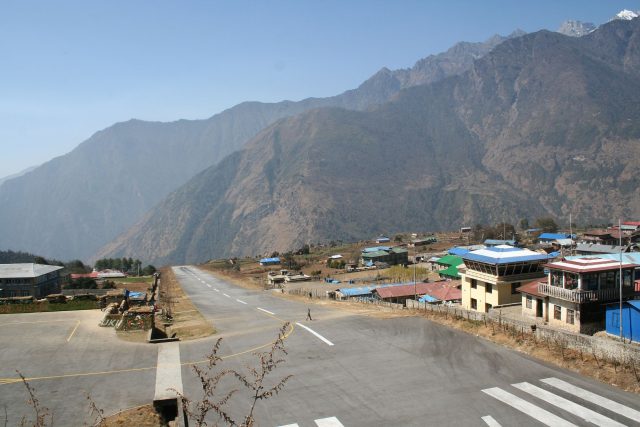
A journey through Sagarmatha National Park is more than just a trek—it’s an immersion into a world where every feature of the landscape has its own story. The most famous route leads to Everest Base Camp, and while many come for the mountain itself, the real magic lies in the path. The trail begins in Lukla, a small village with an airstrip often called one of the most dangerous in the world due to its short runway and unpredictable weather. From there, the path winds through Sherpa villages, where stone-and-wood homes are adorned with prayer flags. Namche Bazaar, the region’s main settlement, offers a glimpse into local life, with monasteries where monks chant mantras and museums that tell the story of Sherpa traditions and mountaineering history.
The architecture here blends seamlessly with the environment. Homes, monasteries, and even bridges are built from local materials, ensuring they don’t disrupt the natural harmony. Buddhist stupas and mani walls—stone barriers inscribed with prayers—dot the landscape. One of the most significant is the Tengboche Monastery, perched at over three thousand meters. It’s not just a religious center but also a viewpoint offering one of the most breathtaking panoramas of Everest and the surrounding peaks. Founded in the early 20th century, the monastery remains a vital spiritual hub for locals and pilgrims alike.
The weather in Sagarmatha is as unpredictable as it is mesmerizing. Even on clear days, clouds can suddenly obscure the peaks, and temperatures plummet below freezing at night, even in summer. The best times to visit are spring and autumn, when the skies are clear and the trails aren’t buried under snow. But even then, conditions can shift rapidly—rain may turn to snow within hours, and sunlight breaking through the clouds creates a play of light and shadow that feels almost surreal. Those who brave the winter months are rewarded with a stark, silent beauty, where snow blankets everything and the stillness is almost tangible.
Sagarmatha isn’t just for climbers and trekkers. It’s a place where you can wander through valleys, watching life unfold in villages where time moves at the pace of the mountains. Along the trails, small teahouses serve dal bhat—rice with lentils and vegetables—a simple but hearty meal that fuels long journeys. The locals are generally warm and welcoming, though not everyone speaks English. Their hospitality is part of a culture where guests are seen as blessings, and kindness is a way of life.
This is a place that can’t be fully captured in words. You have to see it, feel it, and maybe even fear it a little. There’s no room for haste here—every step demands respect for the world around you. Sagarmatha reminds visitors of their place in the grand scheme of things, where mountains aren’t just backdrops for photos but living witnesses to eternity. For many, a trip here isn’t just a vacation; it’s an experience that shifts perspectives. And even if you never set foot on Everest, the time spent in these mountains leaves a mark that doesn’t fade.