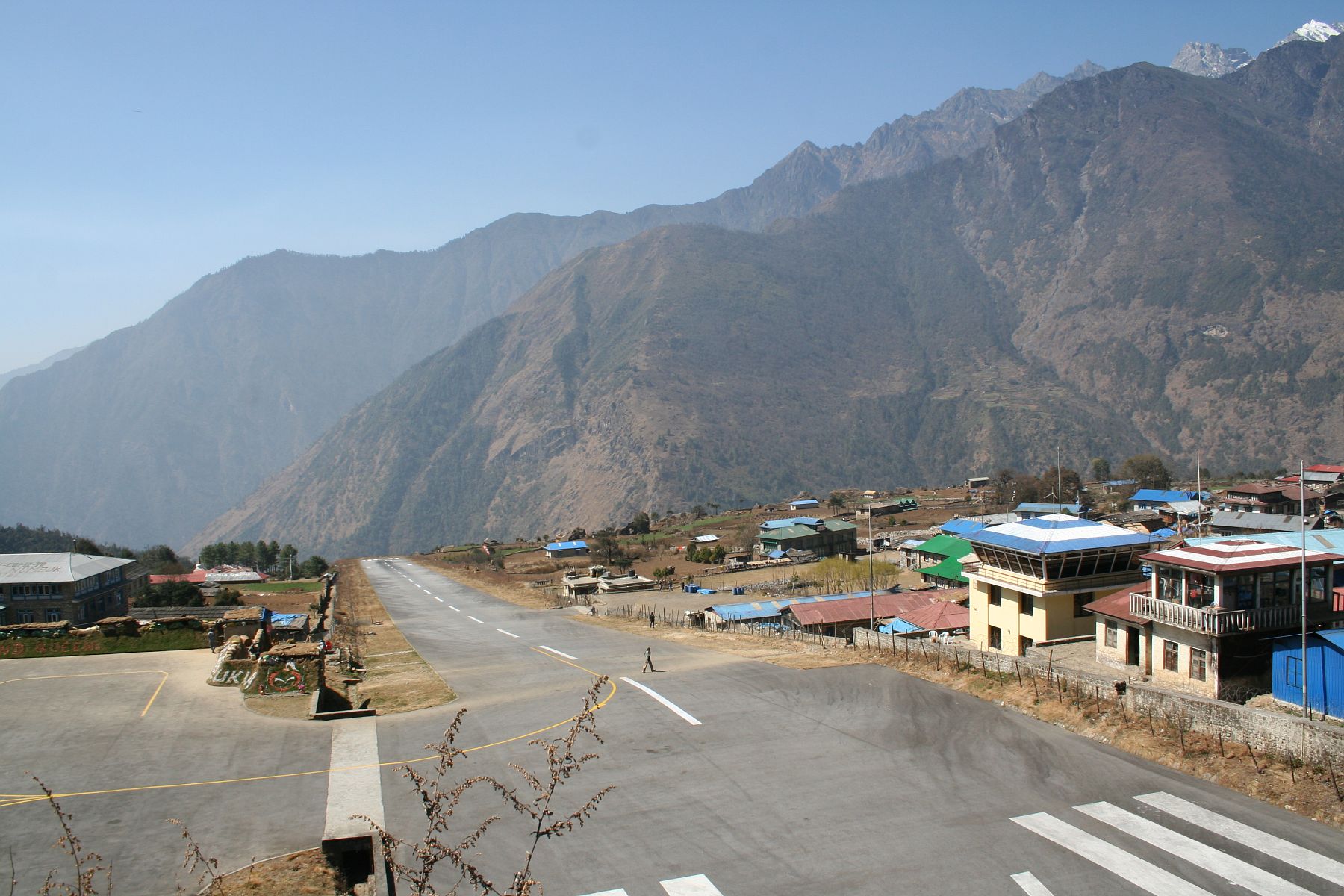
Salleri Airport isn’t just a dot on the map—it’s the threshold to one of Nepal’s most remote and breathtaking regions. Perched at around 2,400 meters above sea level, the air here already carries the thin, crisp edge of high altitude, and the landscape unfolds as if the mountains themselves rise just beyond the airstrip. The planes that land on the short, unpaved runway appear almost fragile against the towering peaks, a quiet reminder that this is where the journey truly begins. There’s no grand terminal or bustling crowds, just the raw, unfiltered start of an adventure into the Himalayas.
The airport’s history is woven into the story of Himalayan exploration. In the mid-20th century, as Everest drew climbers and trekkers from around the world, the need for a faster route into the mountains became clear. Before Salleri existed, travelers spent weeks trekking from Kathmandu through dense jungles and over high passes. Now, a short flight could deliver them to the edge of the Khumbu region, cutting days off the journey. While Lukla is often seen as the main gateway to Everest, Salleri offers a quieter alternative—less crowded, less hurried, and a little closer to the rhythm of the mountains themselves.
The airport’s design is as practical as the terrain demands. The small terminal feels more like a rural bus station than a modern travel hub, with wooden benches, a simple check-in counter, and a few stalls selling tea and local snacks. There’s no pretension here, just the bare essentials for travelers passing through. Outside, the landscape stretches into terraced fields and scattered villages where life moves at its own pace. The occasional roar of a plane’s engine barely disrupts the quiet, and the locals, accustomed to visitors, greet newcomers with a calm, unassuming warmth.
Flying into Salleri is always an experience. The airport only handles small propeller planes capable of landing on its short runway, and the weather in the mountains is famously unpredictable. Flights are often delayed or canceled due to fog, rain, or wind, and travelers quickly learn to treat these disruptions as part of the journey. Inside the terminal, passengers swap stories of missed connections, share tips on gear, and keep an eye on the sky, waiting for the moment when the clouds lift and the flight can go ahead. For many, this is where the real adventure starts—not in the comfort of a departure lounge, but in the anticipation of what lies beyond.
Beyond the airport, Salleri is a small town with its own quiet charm. Unlike Lukla or Namche Bazaar, it hasn’t been overtaken by tourism, and that makes it feel more authentic. The streets are narrow, lined with two-story stone and wood houses, small shops selling everyday goods, and monasteries where prayer flags flutter in the wind. The people here, mostly Sherpas, live by farming, trade, and the steady trickle of visitors. There are a few guesthouses and cafes where trekkers can rest, acclimatize, or simply take in the view before moving on. The pace is slow, the atmosphere unhurried, and the mountains always looming in the distance.
For those heading into the high country, Salleri is the last chance to stock up on supplies. The shops here sell everything from warm socks and thermoses to local handicrafts like traditional Sherpa knives and turquoise jewelry. Prices are higher than in Kathmandu, but the selection is better than what you’ll find farther up the trail. The shopkeepers don’t push their wares, but they’re happy to offer advice on what might be useful in the days ahead. It’s a place where trekkers double-check their gear, fill their water bottles, and mentally prepare for the journey into thinner air and higher altitudes.
Salleri is where different worlds intersect. Tourists with dreams of summits cross paths with locals for whom the mountains are home. Modernity brushes against tradition—the small planes that connect remote villages to the outside world, the ancient trails that have been walked by pilgrims and traders for centuries. There’s no luxury here, but there’s something more valuable: a sense of place. The town doesn’t try to impress visitors, nor does it keep them at arm’s length. It simply exists, as it always has, offering a quiet welcome to those who pass through.
If you’re flying into Salleri, be prepared for the journey to unfold on its own terms. From here, the options branch out in different directions—north toward Everest, east to lesser-known but equally stunning peaks, or south into valleys where tea plantations and rare wildlife thrive. The airport isn’t just a stopover; it’s the first step into a world where time moves differently, where the horizon feels endless, and where every turn in the trail brings something new. There’s no rush here, no urgency—just the mountains, the sky, and the quiet promise of what’s to come.