Perched among the terraced fields and pine forests of Salleri, Chewang Norbu Monastery feels less like a man-made structure and more like a natural extension of the landscape. At around two and a half thousand meters above sea level, its ochre and crimson walls blend seamlessly with the surrounding hills, while the golden roof catches the sunlight, a quiet reminder of the spiritual resilience that has taken root in this rugged mountain region. The monastery doesn’t dominate the scenery—it belongs to it, a place where faith and geography exist in harmony.
The story of Chewang Norbu Monastery begins with its namesake, Lama Chewang Norbu, who founded it in the mid-20th century. At a time when Nepal was only beginning to open to the outside world, Solukhumbu remained one of the most remote corners of the country. The lama was more than a spiritual leader; he became a unifying figure for local communities, offering not just a place of worship but a center for cultural exchange. The monastery preserved the traditions of the Nyingma school of Tibetan Buddhism, one of the oldest and most mystical branches of the faith, passing down rituals and teachings that had survived for centuries in isolation.
The architecture here follows the familiar patterns of Himalayan Buddhist monasteries, though with its own subtle distinctions. The main building is a sturdy two-story structure with thick walls and a flat roof adorned with prayer flags that flutter in the mountain breeze. Inside, the prayer hall is spacious, its ceiling hung with thangkas—elaborate scroll paintings depicting deities and mandalas. The altar is lined with statues of the Buddha, while the walls are covered in frescoes illustrating the lives of saints and legendary events. Outside, a large stupa stands in the courtyard, a symbol of enlightenment and a focal point for meditation and rituals.
Unlike many religious sites that have become tourist attractions, Chewang Norbu Monastery remains a place of quiet devotion. There are no crowds, no souvenir stalls, no guided tours—just the occasional visitor seeking solitude or a deeper connection to the place. The atmosphere is one of stillness: the soft rustle of prayer flags, the scent of burning juniper during rituals, the low murmur of monks chanting mantras. Time moves differently here, untethered from the rush of the outside world. For those who make the journey, it’s less about sightseeing and more about stepping into a rhythm that has remained unchanged for generations.
For the local community, the monastery is more than a religious site—it’s a social and cultural hub. Festivals like Losar, the Tibetan New Year, bring the monastery to life with masked dances, drumming, and the vibrant colors of traditional attire. These celebrations are a spectacle of faith and folklore, where the struggle between good and evil is enacted through ancient rituals. The monastery also supports a local school, where children from nearby villages learn both Buddhist teachings and secular subjects, ensuring that the next generation carries forward the traditions of the region.
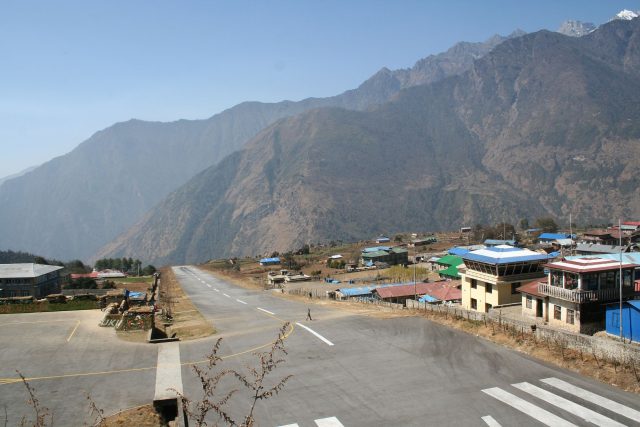
Reaching Salleri is part of the experience. From Kathmandu, a small plane can take you to Phaplu, after which the journey continues on foot or by jeep through narrow valleys and mountain passes. Along the way, yaks graze on the slopes, and the snow-capped peaks of the Himalayas loom in the distance. The route passes through Sherpa villages, where flat-roofed houses and prayer flags seem to grow naturally from the landscape. Many travelers stop here to acclimatize before trekking toward Everest, and the monastery often becomes their first introduction to the spiritual and cultural heart of the Himalayas.
Though remote, Chewang Norbu Monastery is not cut off from the modern world. In recent decades, it has become part of a broader network of Buddhist centers, fostering connections with communities in Tibet, India, and even the West. Monks from different countries gather here for exchanges, shared rituals, and the preservation of ancient texts. Yet the monastery remains a guardian of unique knowledge—traditional meditation practices, yoga, and Tibetan medicine are still taught and practiced within its walls.
Visiting Chewang Norbu Monastery isn’t about ticking off a tourist checklist. There are no strict rules, but there is an unspoken etiquette: removing your shoes before entering the temple, refraining from photography during rituals, and respecting the quiet space of the monks. Those who come with an open mind often leave with something intangible—a sense of peace, a moment of clarity, or the quiet understanding that time spent here was time well spent. Whether it’s a brief meditation in the courtyard or a long conversation with a lama about the nature of existence, the monastery offers a space to step away from the noise of everyday life.
Salleri and its monastery exist where the earth meets the sky, where spiritual traditions are woven into the fabric of daily life. It’s a place that invites you to slow down, to remember that some things—faith, community, the quiet beauty of the mountains—are timeless. Chewang Norbu Monastery doesn’t try to impress or entertain. It simply endures, as the mountains do, a silent witness to the enduring power of belief.