Meru is where Kenya’s wilderness still breathes. No crowds, no tourist trails—just animals shaping the land. The roads twist along game paths, cutting through savanna that rolls endlessly, rivers snaking through thickets, and hills standing sharp against the sky.
Hidden in eastern Kenya, Meru stays off the usual safari maps. For generations, local communities hunted and grazed here. British colonial authorities later turned it into a reserve to shield wildlife from poachers and expanding farms. The park opened in 1966, after independence, and has stayed remote ever since. No luxury lodges exist—only a few campsites where you can pitch a tent or rent a rustic cabin.
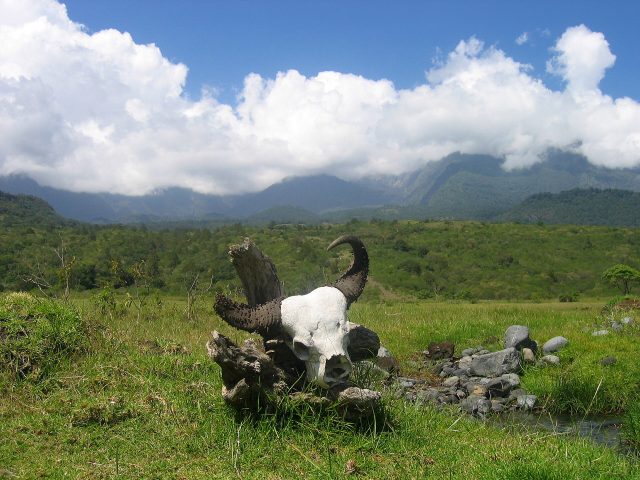
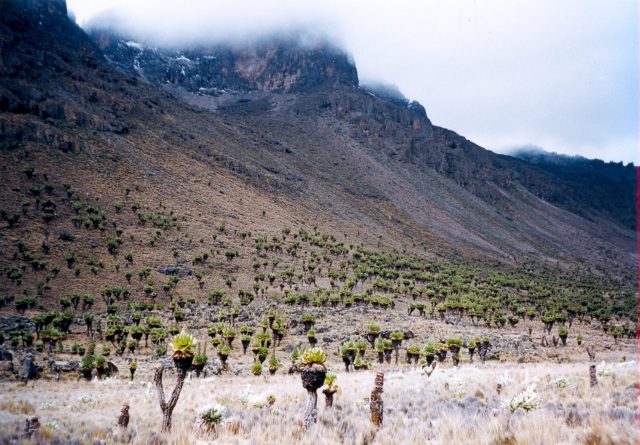
The landscape doesn’t match the Africa from postcards. No endless Serengeti horizons, no Kilimanjaro in the background. Instead, tangled forests cling to rivers, dry beds crack under thornbushes, and acacias dot the hills. The Tana River runs through the park, a lifeline when the dry season comes. Birds nest in the reeds. Crocodiles and hippos wait in the water. When rains arrive, the river floods, turning plains into marshes where buffalo and zebra graze.
Wildlife here moves differently. The Big Five—elephants, lions, leopards, buffalo, rhinos—live in Meru, but they don’t linger for tourists. They slip into the undergrowth. You’ll also find gerenuks stretching their long necks for leaves and dik-diks, antelopes small as hares. Over 300 bird species live here: turacos flashing green and blue, marabou storks stalking the riverbanks. During migration, the sky fills with wings.
Meru is where Elsa the lioness, raised by Joy and George Adamson, returned to the wild. Joy’s book *Born Free* made the park known. A memorial near the entrance marks their work. Predators still hunt here, especially near waterholes when the dry season forces animals together.
This isn’t a polished safari. Roads buckle under rain. Some areas flood and close. Local guides, who know every ridge and riverbed, become your compass.
At night, the park quiets. A lion roars in the distance. Hyenas whoop. Stars burn bright, unhidden by city lights. The air smells of woodsmoke and wet earth. By dawn, birds call, elephants head to the river, and light spills across the savanna.
Meru doesn’t offer comfort. No restaurants, no shops, no visitor centers. Just land as it’s always been. It’s for travelers who want Africa before tourism reshaped it. The park isn’t famous. That’s why it feels real.