Meru sits quietly at the foot of Mount Kenya, a place where time moves differently. Unlike the bustle of Nairobi or the coastal hum of Mombasa, this town has escaped the well-trodden paths of tourism, preserving a rhythm that feels untouched by the rush of modern travel. The streets are lined with jacaranda trees that burst into purple bloom each spring, their branches shading low red-brick buildings that still carry the imprint of colonial planning. There’s no grand architecture here, just the quiet persistence of history in the old mission church and the former courthouse, where the past lingers in the worn stone and wooden beams.
The town was shaped by British administration in the early 1900s, and its grid of straight roads and unhurried pace still reflect that era. But Meru is more than a relic of colonial rule—it’s a living, breathing place where daily life unfolds without pretense. Cows amble down the streets, markets overflow with mangoes and spices, and strangers greet each other with a warmth that feels genuine. There are no luxury hotels, just small guesthouses with courtyards where the scent of chai and fresh chapati drifts through the air in the mornings.
What makes Meru special is its people. The town is home to a mix of communities—Kikuyu, Meru, descendants of Indian and Arab traders, and a handful of Europeans who settled here generations ago. This diversity shows in the food, the languages spoken on the streets, and even the way homes are built. Traditional mud-walled huts stand near houses with intricately carved wooden verandas, and at the market, Swahili blends with English and local dialects. Locals are curious about visitors, and a simple conversation can easily turn into an invitation for tea or a story about the town’s past.
Meru isn’t a gateway to Kenya’s famous wildlife reserves, though they lie nearby. Instead, it offers something rarer: a glimpse into the country’s rural heart. The surrounding hills are dotted with coffee and tea plantations, their terraced slopes stretching toward the horizon. In the mornings, farmers drive herds of cattle through the outskirts, while women carry baskets of produce on their heads, heading to the market. The town’s economy runs on these rhythms—on the harvests of macadamia nuts, the steady trade in livestock, and the small-scale farming that sustains families here.
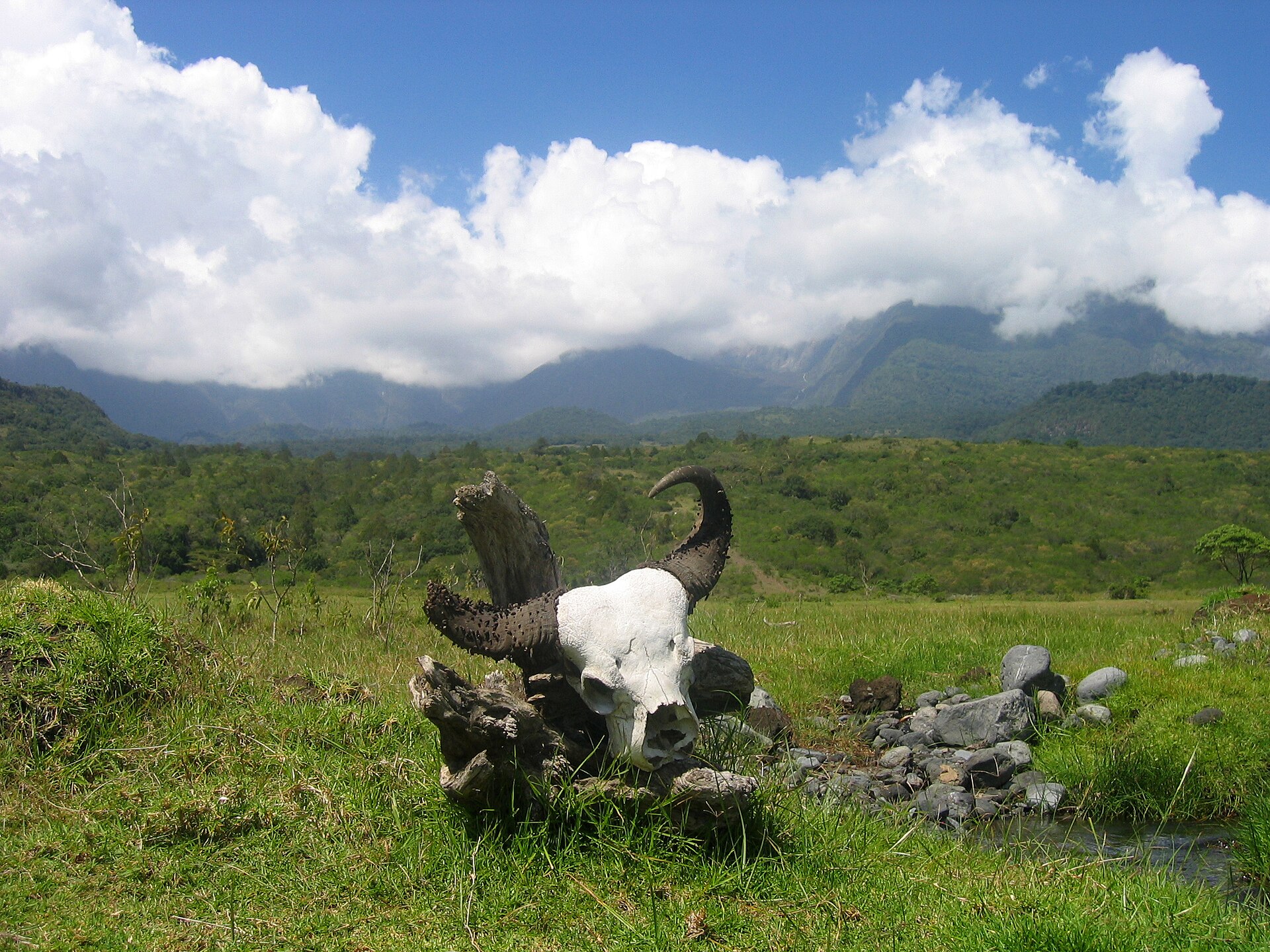
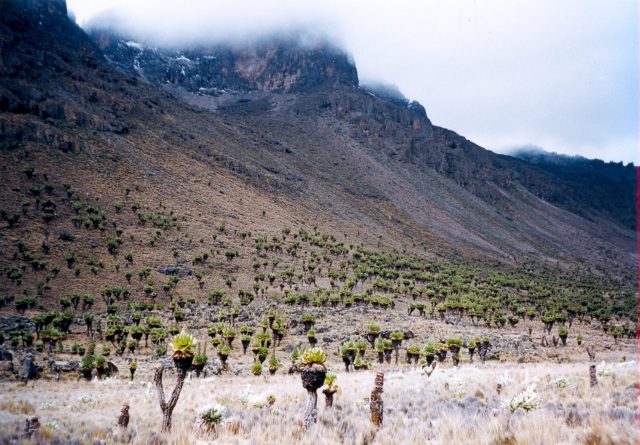
In recent years, a few eco-lodges and guest farms have sprung up in the countryside around Meru, catering to travelers who want to step away from the usual tourist trail. These places aren’t advertised in glossy brochures; they’re quiet, unassuming retreats where visitors can spend a few days learning about traditional farming or simply sitting under a tree, watching the clouds drift over Mount Kenya. There’s no pressure to do anything in particular—just the chance to slow down and let the place reveal itself.
This isn’t a town for those who expect polished comfort or constant entertainment. There are no high-end resorts, no nightclubs, no guided tours waiting to whisk you from one attraction to the next. What Meru offers instead is something harder to find: authenticity. The streets belong to the people who live here, not to tourists, and that’s what makes it feel real. If you come, don’t rush. Wander the markets, sip tea at a roadside stall, strike up a conversation with someone who calls this place home. The town won’t put on a show for you, but if you’re patient, it might just let you see a side of Kenya most travelers miss.